Laptop owner reportedly stabbed by carbon fibers
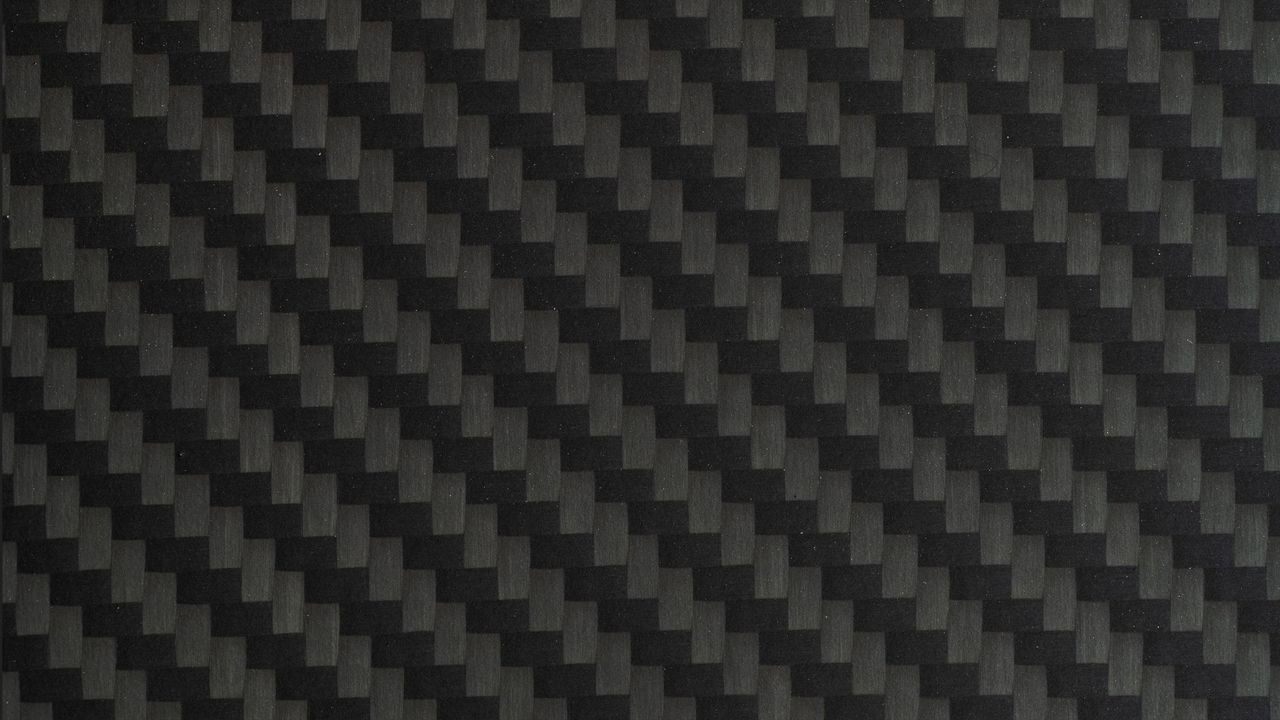
The quest for lighter, stronger, and sleeker technology often involves pushing the boundaries of materials science. But for some users, the pursuit of high-performance hardware comes with an unexpected, painful cost. When a beloved laptop becomes a source of physical discomfort, it forces a conversation about the unseen risks embedded in the materials we rely on every day.
One user recently shared a startling experience involving their Dell XPS 9370 laptop. What began as a simple complaint quickly escalated into a physical reality: a sensation of intense tingling and pain in their hands whenever they used the device. The user described the feeling as being constantly “stabbed by carbon fibers,” drawing a vivid comparison to being prickled by a cactus.
This isn’t just a matter of discomfort; it hints at a deeper issue with the materials used in the design. The specific area causing the distress was the palm rest, which was constructed from a carbon fiber composite. The user noted that they had worn through the palm rests, suggesting that the material’s structure contributed to the problem.
Further investigation revealed that the carbon fiber material itself presented a significant hazard. Under a microscope, the composite material was seen to have embedded flecks of carbon fiber directly in the skin. This raises serious concerns about the material’s integrity and safety when in direct contact with human tissue.
Beyond the immediate irritation, the user reported severe issues with their contact lenses, leading them to suspect that the carbon fiber was the source of the problems, causing skin irritation and potential chemical reactions. The user, and others studying the issue, warn that carbon fiber is not simply a sturdy material; it is a substance that can splinter and shatter when embedded in skin.
The danger is compounded by the nature of the material itself. Certain types of carbon fiber have toxic coatings, and embedding them in skin increases the susceptibility to infections and rashes. Furthermore, there are known concerns about the potential for carbon fiber to be ingested if it transfers to fingers.
While manufacturers often focus on aesthetics and performance, the long-term physical impact of these composite materials on users remains a critical, yet often overlooked, factor. Even common building materials, when incorporated into consumer electronics, demand a closer examination of their safety profile.
In the world of PC hardware, carbon fiber has become a popular choice for its strength and lightweight properties, seen in everything from gaming mice and keyboards to high-end laptops. This trend highlights a fascinating tension between engineering goals—creating sleek, lightweight devices—and the biological realities of the materials used to build them.
As users continue to grapple with these issues, the focus shifts to the need for greater transparency. While manufacturers must ensure their products meet safety standards, the question remains: how should the industry balance cutting-edge design with the fundamental safety and well-being of the people who use these technologies?
Buy on Amazon
Credit