Lego Skylines: Build your dream city, ignore the traffic
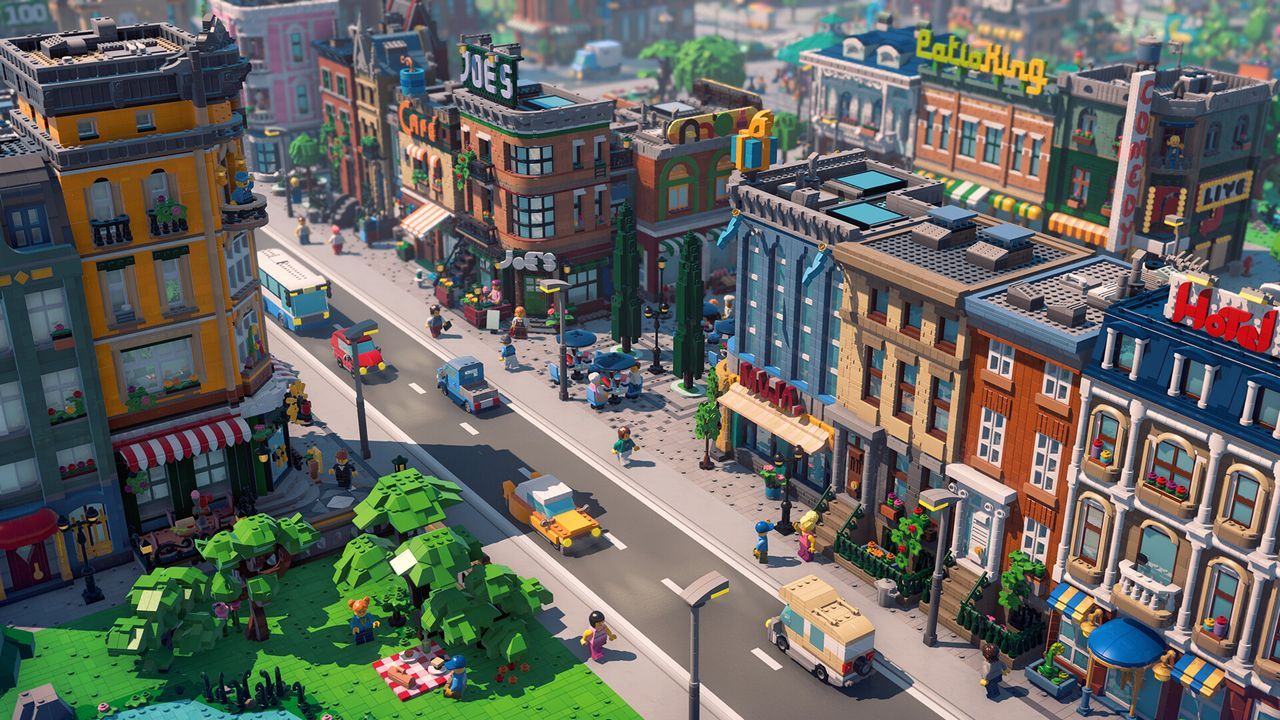
For years, the Lego universe has hinted at a grander ambition. Now, finally, that destiny is unfolding as Lego reveals a city builder, and the early preview of Lego Skylines promises a dose of pure, brick-built charm. While the initial playtime was brief—a quick 35-minute tour focused on building a small neighborhood of about 50 residents—the experience immediately delivered on the visual promise.
What struck me instantly was the sheer joy of the building process. Constructing a home wasn’t just placing blocks; it was watching a colorful shower of bricks cascade from the sky, piling up into a cozy, finished dwelling. Mistakes? No panic. Bulldozing an error simply resulted in the structure collapsing into a neat heap of plastic bricks, offering satisfying, immediate feedback.
The aesthetic alone sets this game apart. The visuals are cheery and wonderfully animated, exactly what I had hoped for when seeing the trailer. The entire Lego world is imbued with a wholesome, delightful quality that makes managing a city feel less like a stressful chore and more like a charming craft project.
The game offers meaningful customization that pulls the player right into the micro-details of urban planning. Players can enhance household happiness by decorating yards with charming details—mailboxes, flowerbeds, fountains, and more. Furthermore, each household possesses a specific “Flavor,” such as “cozy” or “nature,” which players can use to guide their aesthetic choices, allowing for genuine personalization.
Beyond decoration, the narrative elements weave into the gameplay seamlessly. Players can engage in quests for their residents, responding to requests for new homes or neighborhood amenities like parks. Fulfilling these requests unlocks new building types, opening up possibilities for leisure facilities like sports arenas and theaters. Even the side quests are delightfully whimsical, ranging from searching for escaped farm chickens to gently guiding them back home.
The logistics layer is surprisingly accessible, providing a gentle introduction to supply chain management. By setting up basic farms to generate raw goods, players can connect them to factories to produce finished products, which are then sold in shops. Little trucks then handle the deliveries and pickups, establishing a functional, if simplified, economic loop.
While the potential for complex management exists, the game wisely steps back from overwhelming complexity. There is no frantic rush to manage traffic jams, as cars simply disassemble when residents exit them, effectively removing that major headache. Similarly, large-scale disasters, like tidal waves or tornadoes, are not simulated, focusing the attention instead on the charming details of daily life.
Ultimately, Lego Skylines shines in its focus on atmosphere and detail. Whether you are a seasoned urban planner or simply someone who loves meticulously decorating a home, the game provides a cozy and wholesome space to explore. While a sprawling metropolis of millions may be a future goal, the immediate appeal lies in the rewarding experience of building and fussing over the wonderful, little details that make a neighborhood feel truly alive.
Buy on Amazon
Credit