Lost WoW Quest Design: Forever’s Critique
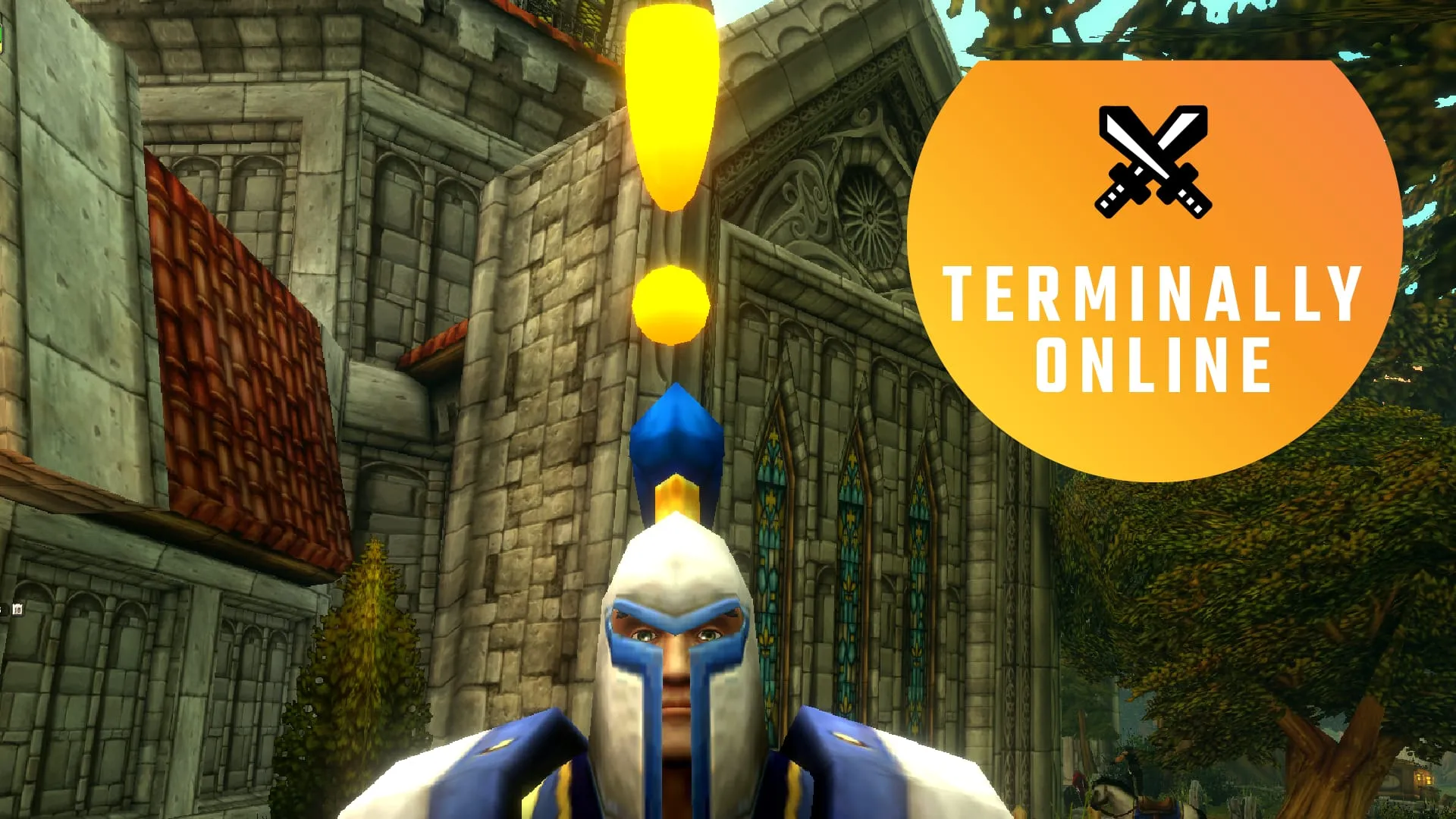
There is a unique magic in revisiting the classics, and lately, my attention has been fixed on the world of World of Warcraft: Forever. It’s a game that manages to feel simultaneously nostalgic and refreshingly modern, especially when you dig into the fundamental mechanics of questing.
Many MMOs today prioritize smooth, linear progression, delivering questlines in digestible batches while flying mounts handle the travel logistics. This approach offers a pleasant, uninterrupted flow—a smooth breadcrumb trail of dopamine shots that keep you blissed out in a constant “numbers go up” loop. But sometimes, chasing that effortless ease comes at the cost of genuine satisfaction.
That’s where the classic structure of older MMOs shines. The original questing experience was built around genuine player decision-making, a system where players had to navigate a complex web of tasks. The older formula wasn’t perfect—it could occasionally feel frustratingly deliberate—but it offered a type of engagement that modern systems often sacrifice for convenience.
The true depth of old-school quest design lay in what I call the three layers of questing friction: Ordering, Travel, and Level Variety. These elements created a dynamic challenge that engaged the player’s strategic mind.
The friction of Ordering meant players had to decide the most efficient path through a set of tasks, often discovering that turning in one quest before another could lead to superior efficiency. It encouraged thoughtful planning.
Then there was the friction of Travel. Quests weren’t conveniently clustered together. Players were encouraged to venture out, making the journey itself an interesting part of the experience, often leading them to discover unexpected side quests along the way.
Finally, Level Variety added another layer of complexity. Quests were deliberately set at varying enemy levels and locations, forcing players to adapt their strategies—whether that meant grouping up, finding a clever strategy, or simply evolving their character to tackle the challenge. This variety ensured that every quest felt earned.
Modern WoW, in its quest design, tends to streamline these friction points, delivering quests in small parcels along a linear narrative, with flying mounts eliminating the need for arduous travel and scaling mechanics handling the level variety automatically. While this approach is undeniably smooth and comfortable, it trades that deep sense of personal route-finding for immediate satisfaction.
World of Warcraft: Forever manages a brilliant compromise. It eases some of the friction by giving players more content, yet it shrewdly retains the core satisfaction of choosing their own route. In zones like Tirisfal Glades, I found that the questing still invited genuine adventure—sending me up a mountain or across a lake—because the decision to go was exciting, not just convenient.
This careful balancing act shows that evolution doesn’t always mean simplification. By thoughtfully plugging holes and refining the quest design within the same expansive world, developers can honor the past while building a future that offers both seamless enjoyment and meaningful engagement.
Buy on Amazon
Credit