MicroSD card torture test writes 133 PB of data revealing SanDisk outlier
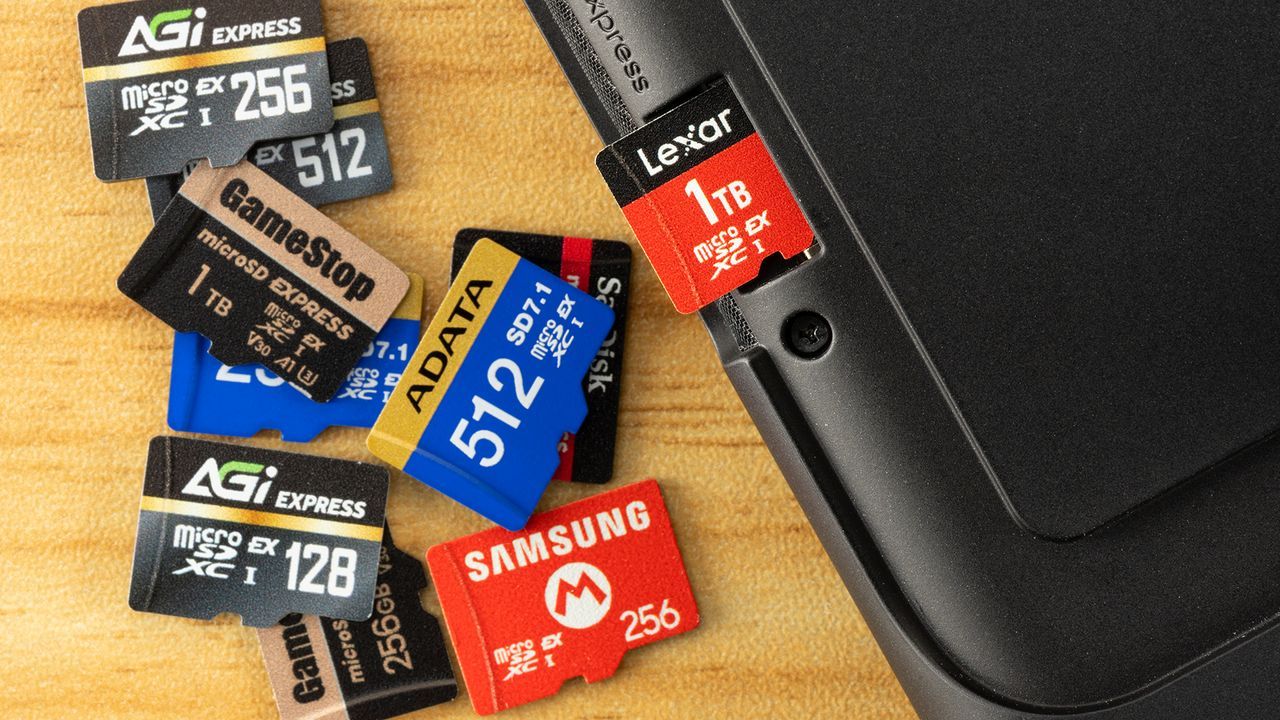
Finding the perfect memory card is often an exercise in frustration. The consumer market is flooded with options, but when it comes to long-term reliability for demanding tasks, the real test lies in endurance. To cut through the marketing hype and determine which microSD cards truly hold up under extreme stress, tech enthusiast Matt Cole decided to build his own laboratory—a veritable torture rig dedicated to pushing flash storage to its absolute limits.
In 2023, Cole embarked on this mission, gathering a massive collection of 351 microSD cards spanning 52 different brands and 111 unique models. The goal was simple: put every card through its paces to expose the manufacturer’s true performance and longevity. The results, shared recently on online forums, are far more revealing than any marketing brochure.
The experiment yielded dramatic findings. Out of the collection, 177 cards have already failed their endurance tests, either becoming read-only, experiencing verification failures, or completely stopping function. This intense testing process, while extreme, provides a vital, if painful, snapshot of real-world reliability.
Cole categorized his cards into three distinct groups: consumer-grade, high-endurance, and industrial-grade. Consumer cards are the typical off-the-shelf options found on Amazon. High-endurance cards boast specific claims of durability, while industrial-grade cards are built for heavy-duty, professional applications.
When focusing on the consumer-grade segment, the data paints a clear picture of performance. On average, these cards managed 10,000 program/verify/erase cycles. The top five brands that led this test were PNY, Kingston, Delkin Devices, Lexar, and Samsung, demonstrating varying levels of resilience under stress.
The data highlights the variation in performance:
|
Brand |
Failed |
Total Tested |
Average Lifespan (Days) |
Average Cycles |
Total Written Data (PB) |
|---|---|---|---|---|---|
| 1 | 10 | 643 | 15,700 | 11.5 | |
| 3 | 12 | 694 | 23,500 | 11.6 | |
| 0 | 3 | 662 | 13,500 | 5.1 | |
| 3 | 8 | 684 | 15,800 | 5.8 | |
| 3 | 10 | 553 | 11,100 | 7.2 |
Interestingly, even some generic options fared well. Amazon Basics, for instance, ran for 788 days, achieving 16,600 cycles and writing 4.2PB of data. However, Cole noted that these generic cards remain a wildcard, as Amazon has the ability to swap out the underlying NAND chips, meaning the results are inherently limited when dealing with unbranded materials.
For those requiring maximum durability, the high-endurance and industrial-grade categories provided even deeper insights. Brands like TEAMGROUP and Transcend showed impressive endurance in their respective tests, while Kingston also demonstrated robust performance in the industrial segment, logging an astonishing 141,600 cycles in one test.
Ultimately, Cole’s quest is a powerful reminder: before you commit to a memory card, look beyond the packaging. True endurance is found not just in the advertised specifications, but in the rigorous, real-world testing that truly reveals a product’s hidden potential.
Buy on Amazon
Credit