Microsoft abandons Halo trademark boss admits backlash was imminent
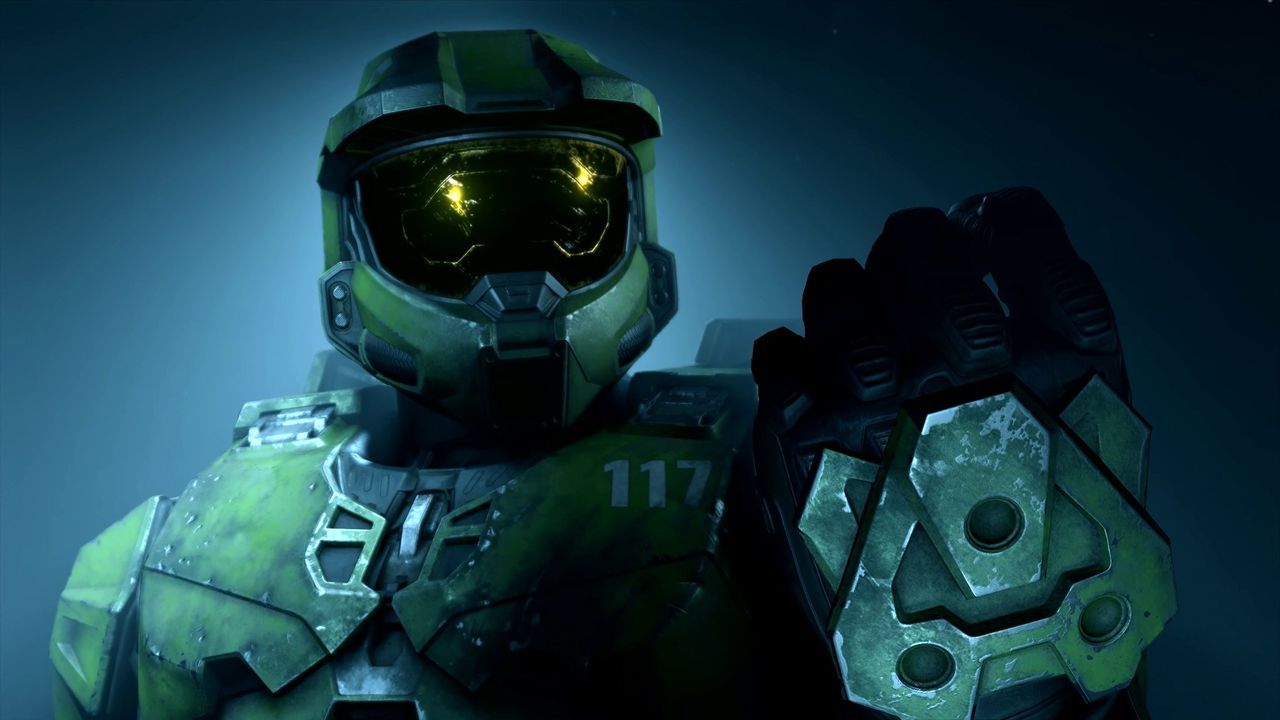
In the high-stakes world of video game intellectual property, sometimes the real battles aren’t fought with guns but with trademarks and creative direction. Take the Halo universe, for instance. Recently, a deeper dive into Microsoft’s legal history revealed an intriguing subplot about a concept that almost became reality: Halo: The Endless.
Back in 2021, Microsoft filed a trademark for Halo: The Endless. At the time, many assumed this might be connected to Halo Infinite, perhaps as an expansion or campaign title. However, the pursuit of this intellectual property took a surprising turn, with Microsoft continuing to fight for the trademark until April 2026. This protracted legal battle strongly suggests that the concept was intended for something far removed from its initial association with the main series.
For those unfamiliar with Halo lore, The Endless are a mysterious species introduced in Halo Infinite, rumored to be linked to the ancient Precursors—the progenitors of all life in the Halo universe. The fact that Microsoft held onto this trademark for years while simultaneously navigating other franchise developments raises fascinating questions about what was being envisioned.
The timing of these corporate maneuvers is where things get particularly spicy. Just weeks before reports surfaced that Halo Studios had canceled their multiplayer project, Project Ekur, Microsoft officially abandoned the trademark. While this doesn’t prove a direct connection between the two events, it certainly fuels speculation that Halo: The Endless may have been part of an earlier creative vision that ultimately yielded to a different strategic path.
This shift in focus mirrors deeper philosophical discussions happening within the studio itself. Halo Studios head Pierre Hintze recently offered insights into the lessons learned from previous titles, particularly regarding narrative choices. When reflecting on Halo 5, Hintze noted that the team consciously chose a different creative direction when Master Chief was not the main protagonist and faced imminent backlash. He stressed the need to deliver certain expectations to the player base.
This approach suggests a willingness to pivot away from singular focus in favor of broader experiences. Hintze also looked toward the future of gaming, advocating for “deeper experiences where the line between playing with and against humans becomes more blurred.” He argued that true reward lies not just in winning a one-on-one fight, but in experiencing solidarity and support during collective objectives, such as completing a raid in an MMO.
Though Hintze’s comments were broad—addressing the future of gaming rather than just Halo specifics—they resonate powerfully when paired with Microsoft’s decision to abandon the trademark. It leaves fans wondering what direction Halo Studios is taking now, especially as Xbox looks to invest more heavily in its major franchises.
With upcoming releases like Halo: Campaign Evolved on the horizon, the community is eagerly awaiting details on the future of the franchise. The focus now shifts to whether Halo can successfully branch out into new genres and innovative experiences, perhaps reviving concepts like the canceled Mega Bloks game in the process.
Buy on Amazon
Credit