Microsoft emergency fix for Windows 11 shutdowns and overheating
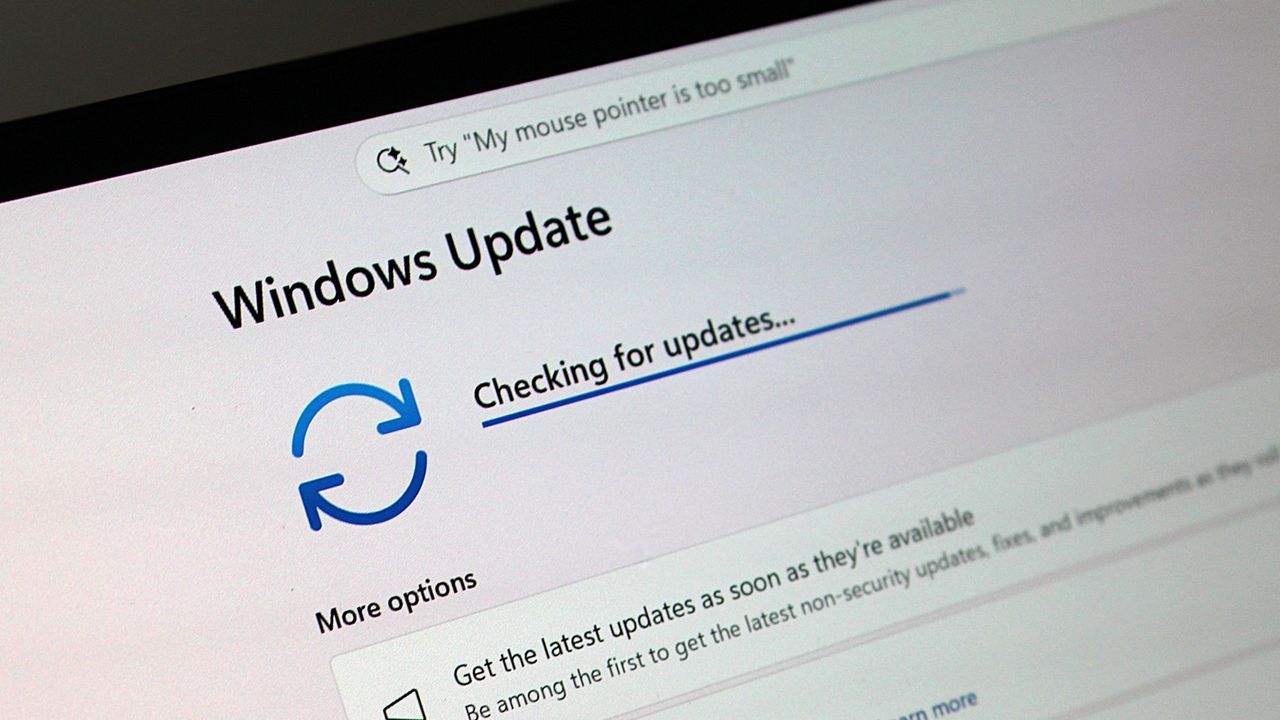
Software updates are meant to bring improvements and stability, but sometimes, they introduce unexpected drama. Recently, this tension played out in the world of Windows 11 when Microsoft had to pause the rollout of its latest Patch Tuesday update for a select group of Dell PCs.
The pause was triggered by reports indicating that the new update clashed with Intel‘s Innovation Platform Framework Processor Participant (IPF) driver, leading to frustrating consequences for some users. These issues included unexpected shutdowns, noticeable overheating, and sluggish system performance—the opposite of what a major software patch is supposed to deliver.
When these conflicts surfaced, Microsoft immediately took action, prioritizing user experience above all else. Instead of pushing a potentially problematic update further, the company chose to pause deployment and work swiftly to identify the root cause within the limited set of affected devices.
This rapid response paid off with an emergency solution. Microsoft quickly released an out-of-band update, KB5121767, specifically designed to resolve the conflict for Windows 11 versions 24H2 and 25H2.
This fix is structured as a cumulative update, meaning users do not need to install any previous updates first. It effectively bundles all necessary improvements from prior security patches alongside this critical additional fix, ensuring stability for those affected devices without requiring complex manual steps.
While Microsoft did not release a specific list of impacted machines, the immediate action suggests a proactive approach to quality control. It is likely that the vast majority of users who received the initial Patch Tuesday update were spared from these complications, as the blocking mechanism prevented further exposure.
The concerns highlighted the delicate dance between large-scale software deployment and specific hardware drivers. When performance or system behavior changes are reported—such as those seen in some Dell devices with the Intel IPF driver—it signals a need for intense scrutiny before general release.
Ultimately, this situation serves as a powerful reminder that even in cutting-edge technology, stability is paramount. Microsoft’s quick pivot to deploy an emergency fix demonstrates a commitment to catching bugs early and ensuring that future updates deliver smooth, stable, and enjoyable experiences for everyone.
Buy on Amazon
Credit