Moonlighter won’t host playtest due to AI cloning fear
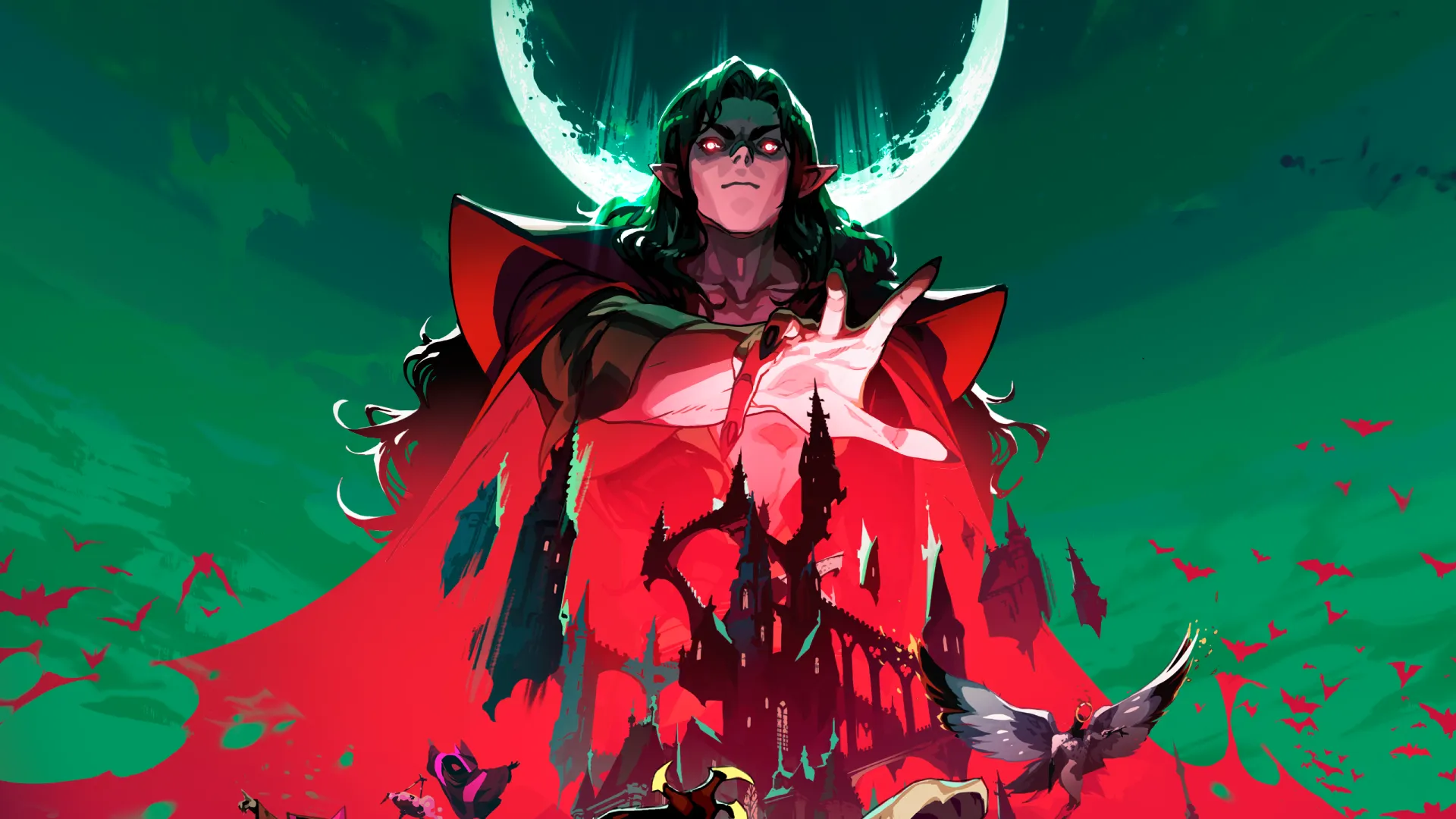
The age of game development is facing an unprecedented wave of creative disruption, fueled by the rapid rise of AI-powered coding tools. As generative models like Claude Opus 5.5 prove immensely disruptive, developers are grappling with a chilling realization: the fear that their hard work will be instantly reverse-engineered, cloned, and published is becoming a very real threat.
This anxiety has forced some studios to pull back, opting out of public playtests and demos to protect their intellectual property before a game even launches. The sentiment is clear: sharing a build with tens of thousands of players felt like an unacceptable risk in an era where AI can replicate content almost instantly.
Digital Sun Games, the creators of the upcoming roguelike ReVamp, put this concern into stark relief. With months remaining until the game’s release, the studio chose not to share a public build, citing concerns that the work could be easily imitated by AI vibe-coders.
The reluctance is shared across the industry. Last week, the team behind Drunken Goddess Reflux canceled plans for a public demo on Steam Next Fest, fearing that the content could be swiftly replicated by AI or other tools before launch.
This hesitation is not unique. The impact of AI is already reshaping the landscape of game promotion. This month’s Steam Next Fest, for instance, boasted over 8,000 demos, a massive jump from the 4,000 submissions seen just a few months prior. This explosion in content highlights just how quickly game concepts can be turned into accessible, if sometimes low-effort, content.
The speed at which clones can be created is staggering. When a creator shared footage of their game, the trajectory of imitation is immediate. For example, footage from the incremental punching game Escape the Walls led to at least seven clones appearing on Roblox and one on Steam just ten days later.
This acceleration in cloning has huge ramifications for indie developers and marketing strategies. While AI tools offer immense potential for speeding up development, they simultaneously introduce a complex ethical and legal challenge regarding ownership and originality. The question now for the gaming community is how to harness the power of new technology without sacrificing the unique creative vision that makes original games so compelling.
Buy on Amazon
Credit
