Musk spent $1B to power xAI with 1GW turbines
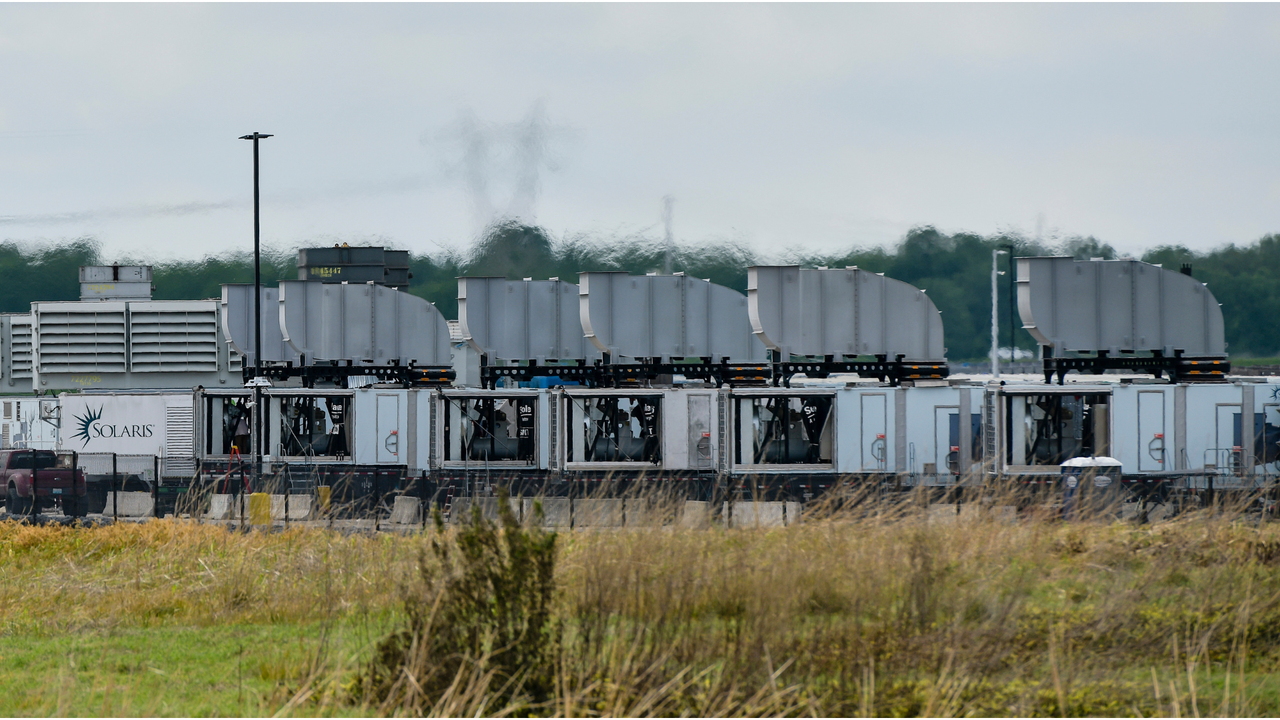
The quest for superintelligence is powered by immense energy, but the infrastructure supporting this digital behemoth is generating a fierce conflict between technological ambition and community well-being. At the heart of this tension are the massive data centers operated by SpaceXAI, which rely on an unconventional power solution that has drawn intense scrutiny from regulators and local residents.
To meet the staggering energy demands of Colossus 1 and 2 facilities, reports indicate that Elon Musk’s AI operations have allegedly utilized unpermitted mobile natural gas turbines. This strategy allows these high-capacity sites to operate independently of the traditional electrical grid, a move driven by the pursuit of massive computational power—with Musk reportedly aiming for a 1-gigawatt capacity.
This power dilemma led Musk into an intriguing financial entanglement. While he owns substantial solar generation and battery storage ventures through Tesla Energy, reports suggest that his focus shifted toward acquiring mobile power solutions. Through the purchase of APR Energy, a gas turbine company, Musk invested significant capital, reportedly spending over $50 million on a minority stake in the firm. This investment maneuver, which ultimately tied him to the power infrastructure behind his AI endeavors, was permitted due to an early termination notice from the Federal Trade Commission.
However, the financial motivations run parallel to serious environmental and social concerns. While Musk sought cost-effective power solutions by renting these mobile generators, the environmental footprint has become a major point of contention. Allegations surface that the operation of these turbines generates massive amounts of pollution, which disproportionately impacts nearby Black communities in areas like Memphis, Tennessee, already grappling with elevated rates of lung disease.
As SpaceXAI seeks to expand its operations and connect to the grid—a process that faces months or years of regulatory hurdles—the community pushback intensifies. Residents surrounding the data center sites are raising alarms about noise and air pollution generated by these massive developments. This struggle is compounded by concerns over the potential for catastrophic economic impacts, including fears that AI data centers could trigger a “reversible” 76% electricity price spike in the largest U.S. region.
Despite the immense power demands, the path to grid connection remains fraught with opposition. The federal watchdog has demanded that tech giants fund their own infrastructure development, emphasizing that regulatory barriers will be stiff, particularly when dealing with local resistance wary of the environmental and physical consequences of these large-scale projects. As legal battles continue and hearings loom, the fate of these mobile power systems—and the delicate balance between technological progress and community safety—remains fiercely debated.
Buy on Amazon
Credit