Musk’s data center pollutes Mississippi with 59 gas turbines
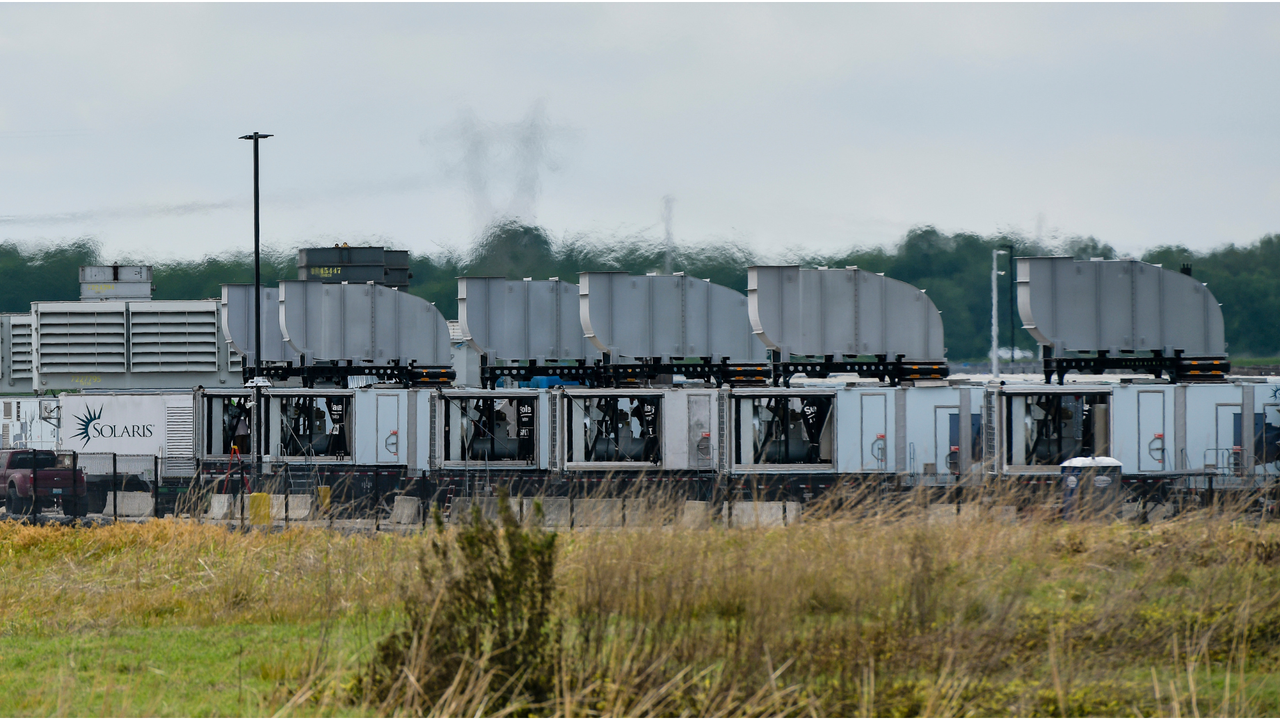
The pursuit of cutting-edge artificial intelligence often comes with a staggering environmental footprint, and in the high-stakes world of supercomputing, the story of Elon Musk’s Colossus data centers is quickly becoming a stark example of this tension between technological ambition and public health.
At the heart of this controversy lies the massive energy demands of the Colossus facilities. To achieve its goal of reaching 1-GW capacity, which necessitated building these colossal data centers in record time, Musk reportedly had to bypass conventional power infrastructure. Instead, the operation relies on installing temporary, on-site natural gas turbines, running independently of the main power grid.
The issue escalates when it is revealed that the company installed nearly sixty such mobile turbines without obtaining necessary environmental permits. While xAI has defended this practice by claiming the units are temporary and thus exempt from regulation, environmental watchdogs and local communities argue that this operational strategy skirts serious legal and public health implications.
The real concern centers on the emissions released by these unregulated power sources. These portable generators are releasing thousands of tons of nitrogen oxide and carbon monoxide annually into the surrounding air. Investigations suggest that just thirty of the sixty turbines operating at Colossus 2 could be emitting up to 2,500 tons of nitrogen oxide, 4,000 tons of carbon monoxide, and 22 tons of formaldehyde each year—significantly exceeding the thresholds established by the Clean Air Act.
This pollution does not exist in a vacuum. The data centers are situated near the border of Tennessee and Mississippi, affecting communities, including those in DeSoto County and Shelby County, which have historically been predominantly Black. These communities already face disproportionately high rates of lung disease, making them acutely vulnerable to increased air pollutant exposure.
The situation has led to legal action. The NAACP has filed a lawsuit against xAI, alleging that the operation of these unpermitted turbines resulted in dramatic increases in harmful airborne particles. The suit claims an 111% increase in nitrogen oxide exhaust, an 83% increase in PM2.5 airborne particles, and an 88% surge in formaldehyde emissions across the affected areas.
While the company maintains that the temporary nature of the installations justifies their operation, regulators have stepped in, ruling earlier this year that the exceptions previously granted for these portable units are no longer valid. Although the Environmental Protection Agency is currently considering changes to allow for greater “regulatory flexibilities,” the core tension remains: balancing technological advancement with guaranteed public health protection.
Amidst the environmental scrutiny, xAI and its parent company SpaceXAI have offered Starlink discounts to residents near the data centers, citing local community support. However, for many residents living in the shadow of these immense computational facilities, the focus remains squarely on ensuring that the pursuit of technological supremacy does not come at the cost of the health and well-being of the communities where it operates.
Credit