Novus gets a new chance after 6 years of waiting
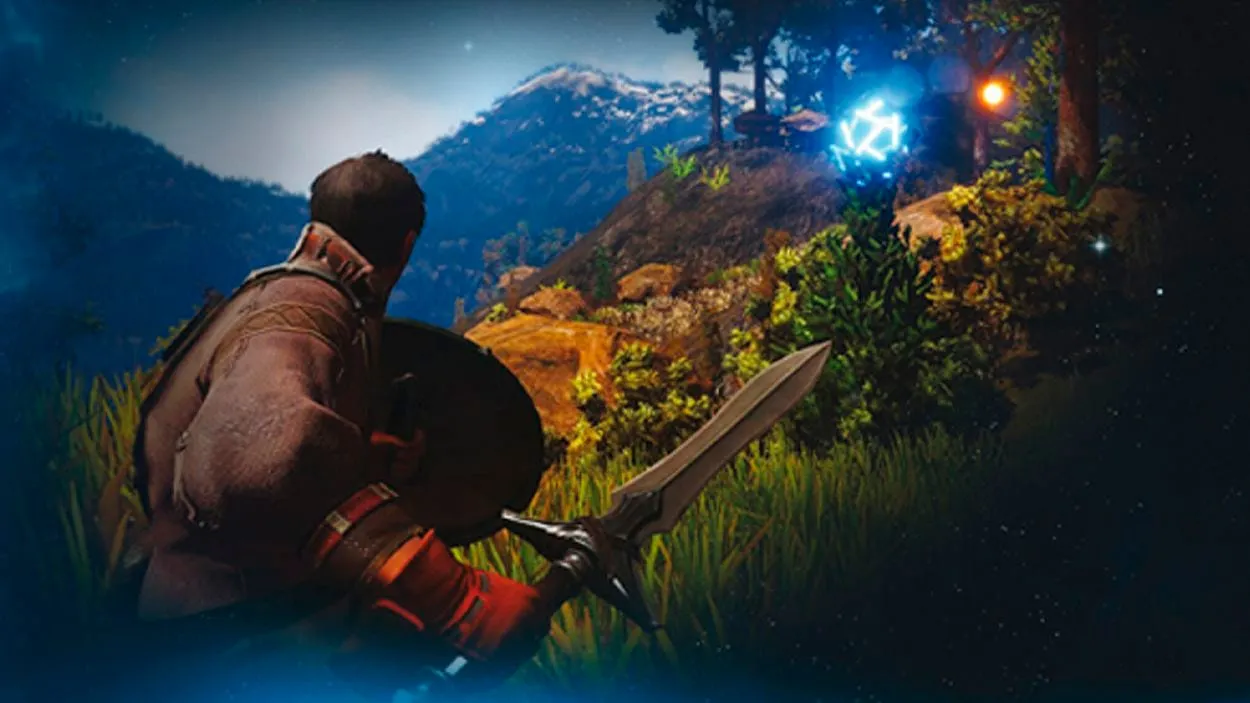
The Return of Wilderness: How One Developer Found Hope in Novus Inceptio
In the world of early access survival games, change is often the spice of life. This week, the community was treated to a significant update for Novus Inceptio, marking the game’s first major refresh since 2018. But this isn’t just about new maps or combat mechanics; it’s a story about persistence, burnout, and the stubborn desire to bring a vision to life.
The journey of Novus Inceptio is deeply rooted in the experience of its solo developer, Martin Markus Mastný. His path to launching the game in early access in October 2015 was less a straight line and more a tumultuous climb. He started with a strong vision—a dream of an MMORPG—and dove headfirst into learning Unity and C#. The initial excitement quickly collided with the harsh realities of the industry: managing PR, chasing sales, wrestling with bugs, and navigating the often-unanswered questions of a demanding community.
The pressure proved immense. As developer Martin admitted, the necessity to constantly react to community feedback, handle bugs, and maintain public perception led to total collapse and burnout. Working nonstop from 2016 to 2019, he made compromises to please players, resulting in a product that became something it was never intended to be. This period of intense pressure ultimately redefined the game, but it also caused the developer to question the outcome.
Now, years later, the developer is determined to reclaim the game. The motivation for this return stems from a deep emotional connection to the game’s world. He speaks of the pure joy of exploring the environment, of simply spending time running through the forest and appreciating the landscape. It is a desire to close that chapter fairly and well, to finish the project in a state that brings him happiness.
When asked about addressing the skeptics, the developer offered a pragmatic, yet honest, perspective. He acknowledges that he cannot promise specific outcomes, but he insists that early access provides the vital space to change things while the project is still possible. The real message, he suggests, is patience: watch whether the commitment to keeping the vision alive is enough to earn the trust back from the community.
For other solo developers looking to tackle survival games, the advice is clear: make what you love, but learn from the mistakes of the past. Sometimes, stepping back from the original vision—perhaps abandoning popular features like full co-op when they detract from the core experience—can be crucial. The struggle of creation is real, and finding the balance between the personal dream and the public expectation is perhaps the most valuable lesson of all.
Buy on Amazon
Credit
