Nvidia slashes customer list in Asia to fight AI chip smuggling
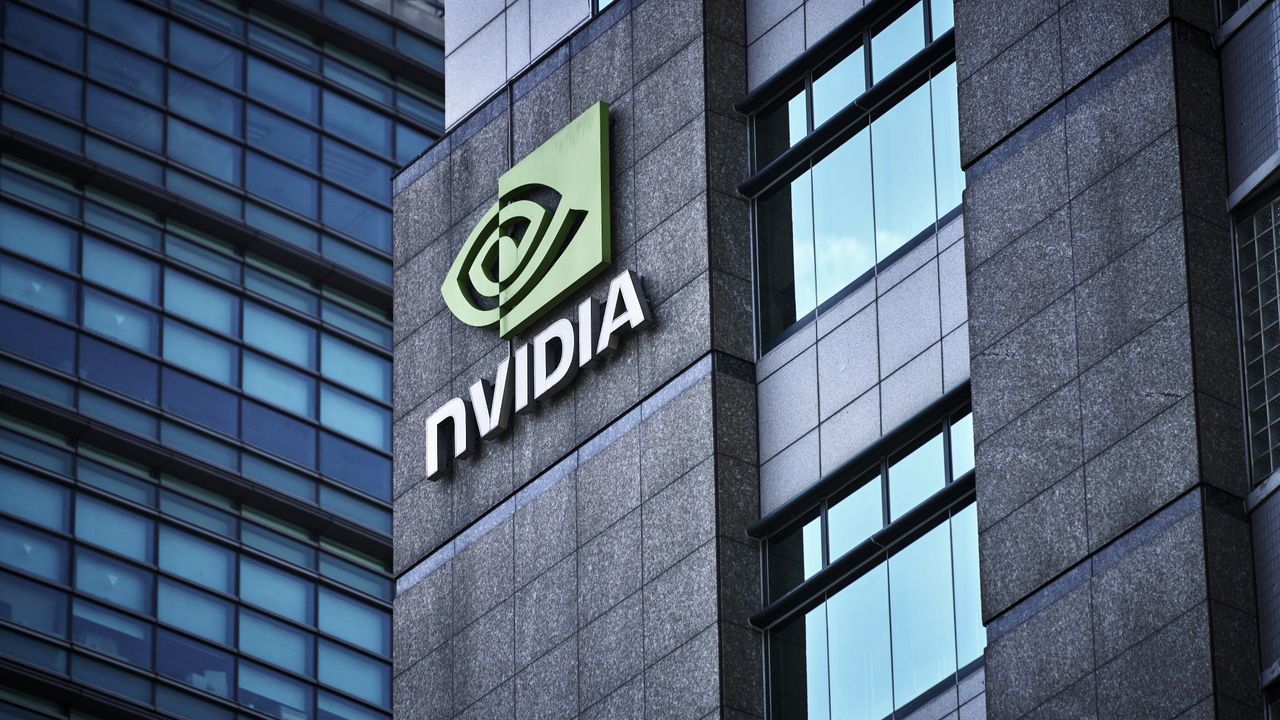
The world of artificial intelligence is built on cutting-edge silicon, and at the heart of that innovation sits Nvidia, the undisputed giant in AI chip manufacturing. But behind the dazzling graphics and processing power lies a complex web of global trade disputes and smuggling operations. Recently, Nvidia has taken decisive action to tighten security around its most coveted products, establishing a new verification system designed to ensure its powerful GPUs and servers stay on the legitimate supply chain.
To combat the risk of these high-performance chips being diverted into unauthorized markets, the company reportedly created a strict “whitelist” of verified clients. This move was a significant operational shift, immediately cutting the number of authorized clients by more than half. To qualify for this list, companies must now undergo rigorous compliance inspections—a process that goes beyond simple paperwork.
The measures Nvidia implemented are designed to filter out shell companies and ensure that only genuine businesses are able to procure these chips. The vetting process reportedly involves sending staff to customer data centers, verifying contracts, and interviewing end-users, setting a new standard for transparency in high-tech supply chains.
This initiative came at a critical time, driven by escalating international tensions. Nvidia’s actions followed intense pressure from Washington regarding legal compliance, especially in light of recent investigations into the smuggling of Nvidia hardware to China. These regulatory clampdowns were spurred by earlier incidents, including the arrest of Supermicro co-founder Yih-Shyan “Wally” Liaw for allegedly moving $2.5 billion worth of Nvidia hardware into the country.
The scope of this concern extended far beyond a single nation. Related investigations have led to seizures and raids across multiple jurisdictions, including Singapore, where authorities seized assets tied to alleged AI GPU smugglers, and Taiwan, where officials raided offices connected to chip smuggling probes.
While the U.S. has implemented export bans on the latest AI GPUs destined for China since 2022, ensuring supply remained tight for AI development, the challenge persisted. Despite restrictions, concerns lingered that Chinese entities could still access these highly sought-after processors until recently. The crackdown by Washington and its allies has successfully reduced the flow of these chips into China, creating a ripple effect that makes it harder for AI companies to procure the necessary hardware.
The geopolitical maneuvering further complicates the landscape. Although there were efforts to ease restrictions, such as allowing Nvidia to export H200 GPUs to select customers in the region, Beijing refused to allow domestic companies to purchase these processors. This policy forced a shift, pushing domestic semiconductor manufacturers to compensate for the shortfall—a situation that even prompted some executives to consider deploying less powerful chips simply to maintain operational capacity.
Ultimately, Nvidia’s new verification system signals a move toward ironclad control over its supply chain. By insisting on full compliance from all partners and demanding enhanced regulation, the company is attempting to secure the future of AI chip distribution, ensuring that the revolutionary technology flows ethically and securely across the globe.
Buy on Amazon
Credit