Nvidia’s profit amid the memory crisis
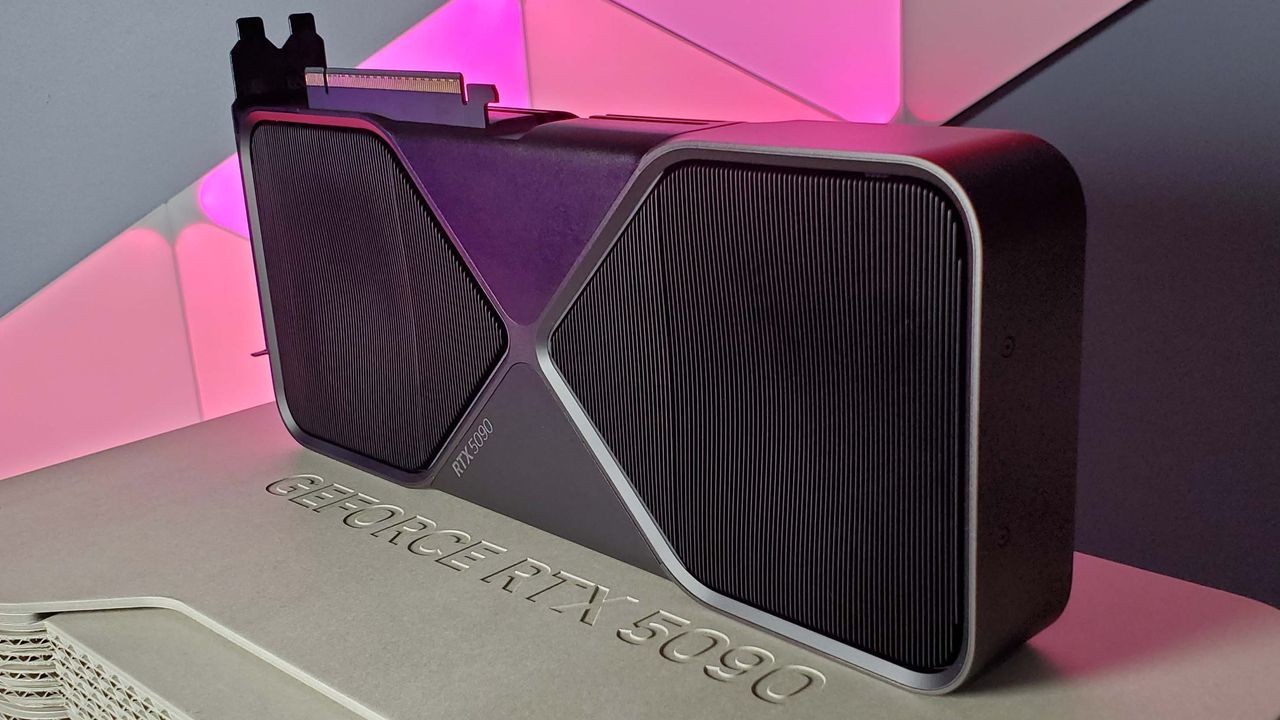
Nvidia, the undisputed heavyweight champion of AI hardware, is still raking in cash, but the story behind those impressive earnings is increasingly complicated by a relentless physical bottleneck: the memory crisis. While the company continues to dominate the AI landscape, its ambitious growth projections are now being tempered by the sheer difficulty of sourcing the components needed to power the next generation of computing.
When discussing the projected revenue for the 2028 fiscal year, the narrative shifts from pure expansion to constrained reality. CEO Jensen Huang confirmed that the projected 70% revenue increase is only achievable under optimistic conditions. He clarified that the market’s lack of available memory is the primary factor constraining growth, suggesting that the “unconstrained” potential for revenue would be significantly higher if supply issues were resolved.
This pressure is acutely felt across the entire industry. Nvidia recently reported staggering results, netting $96.2 billion in the latest quarter with an impressive 75% gross margin. The vast majority of this revenue stems from the data center market, which generated $89 billion—a massive 117% jump year-over-year. The consumer segment, however, paints a different picture, with demand not fully keeping pace with the hardware’s accelerating capabilities.
To capture the full scope of their operations, Nvidia has smartly compartmentalized its business. Instead of reporting gaming sales separately, the company incorporates them into the broader category of Edge Computing. This segment, which includes gaming, workstations, physical AI PCs, and robotics, accounted for $7.1 billion in the recent earnings, demonstrating a 27% increase over the previous year.
The growth in the Edge Computing sector, while substantial, was partially offset by the rising cost of systems and memory. Nvidia noted that the increase in this area was driven by strong sales of Blackwell workstations, yet it was tempered by slower consumer PC sales, largely due to the elevated costs of memory and systems.
The escalating cost of components is the central friction point. Jensen Huang acknowledged the extreme pricing conditions in the memory market, stating that the magnitude of the price increase has surpassed prior expectations and is expected to rise further into the coming year. Despite this, the company points to its robust supply chain and strong partnerships as assets, emphasizing that they simply need more capacity to meet the unprecedented demand.
The memory crisis is proving to be a systemic challenge, hitting the entire ecosystem. Warnings from major suppliers, such as Samsung, indicating a severe memory supply crisis next year underscore the difficulty of scaling production. As the market navigates this supply constraint, the competition continues to heat up, with high-end graphics cards like the RX 9070 XT and 9060 XT selling strongly on platforms like Amazon and Mindfactory, highlighting the intense, competitive demand for cutting-edge hardware.
Buy on Amazon
Credit