NY demands $1M for AI data centers per MW
Finding the Value in the Gigawatts: How Communities Are Negotiating the AI Data Center Boom
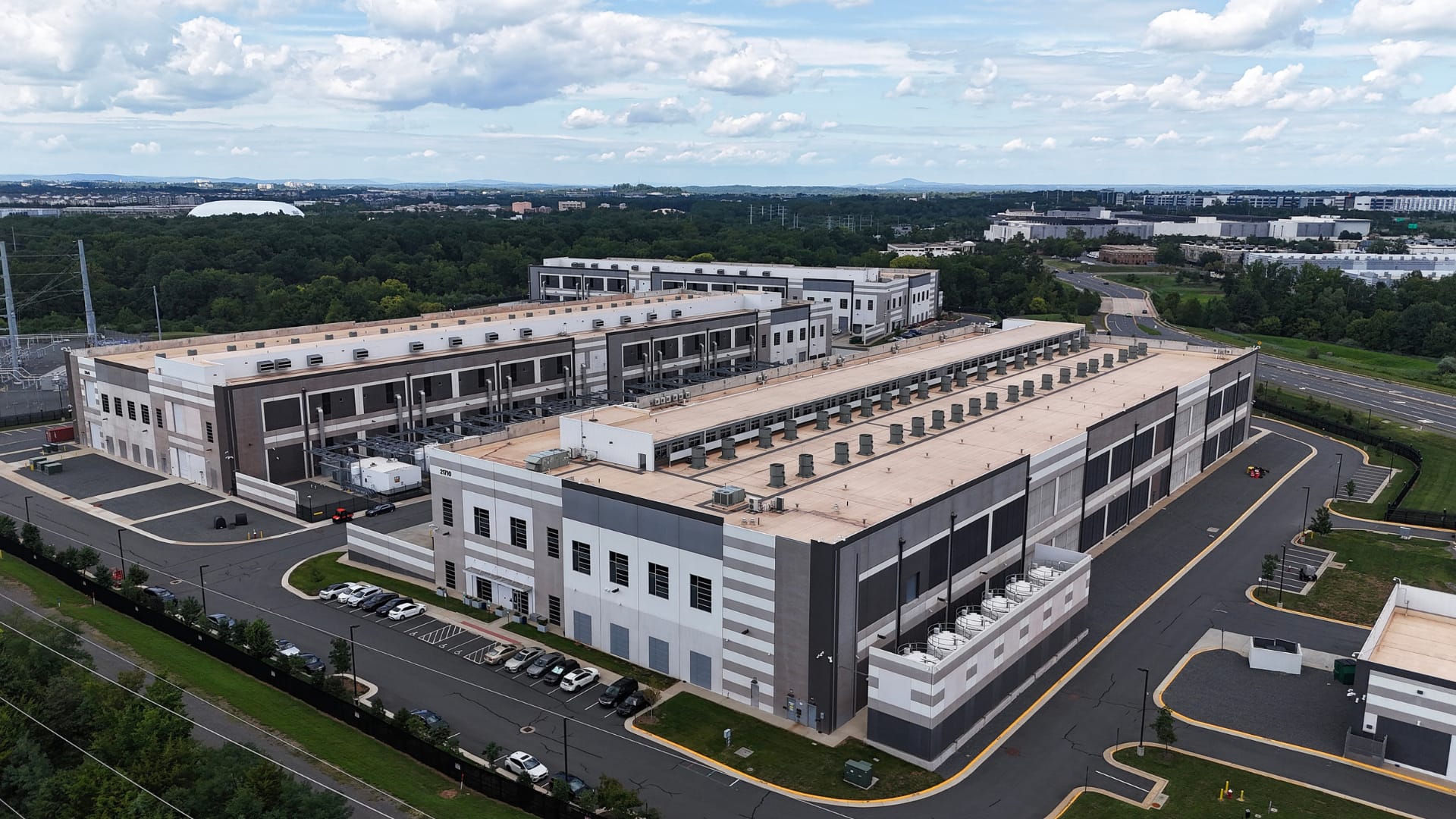
The digital revolution is powering up, and with it, the demand for data centers—the massive, humming hubs that keep the internet and artificial intelligence running—is reaching fever pitch. But as these data centers multiply across the landscape, a critical question emerges: who benefits, and who pays the price? New York State Governor Kathy Hochul has stepped in to provide the roadmap for this crucial conversation, announcing the Community Investment Framework (CIF).
This framework isn’t just bureaucratic jargon; it’s a negotiation guide designed to ensure that the colossal infrastructure of AI and data centers delivers tangible, lasting benefits to the communities they occupy. It offers towns and municipalities a structured approach to dealing with developers, moving the conversation beyond simple demands to true partnership.
At the core of the CIF is a clear investment benchmark: recommending that communities demand $1 million per megawatt for the privilege of housing data centers. This simple metric forces a balance between technological progress and local financial well-being.
To make this framework effective, it outlines six core principles for negotiations. These principles ensure that development is thoughtful, not rushed. They include establishing long-term planning, creating a roadmap for managing ongoing costs, identifying local priority investment areas, confirming local ownership of projects, and setting clear timelines for phased investments.
Beyond the numbers, the framework stresses the importance of relationship building. It advises municipalities to focus on community engagement, involve key decision-makers, incentivize good faith negotiations, and maintain flexibility. The goal is to transition from reactive responses to proactive, strategic planning that limits negative environmental and social impacts while maximizing community gains.
The pressure on local resources is palpable. While data centers are essential to the AI economy, they place significant demands on local electricity and water supplies. Furthermore, critics note that compared to other industries, data center development offers limited local job creation or direct community value.
This tension has prompted action nationwide. More than 500 states and localities have begun imposing moratoriums or temporary bans on new data center developments, signaling a growing public pushback against unchecked expansion. States like New York and Texas have enacted temporary stops on projects to give local governments time to implement protective measures.
By adopting a framework like the CIF, municipalities gain the leverage needed to ensure these massive projects contribute positively. If New York towns implement this strategy, they could potentially secure $9 billion or more in investment directly into their coffers, representing a significant return on this burgeoning sector.
Considering the massive scale of this shift, the CIF offers a vital tool. It helps bridge the gap between the demands of global technology and the needs of local communities, ensuring that as the world rushes toward the expected $32 trillion in data center infrastructure spending by 2050, local voices remain central to the planning process.
Buy on Amazon
Credit