OpenAI mini keeb with ‘yeet’ and ‘yolo’ buttons
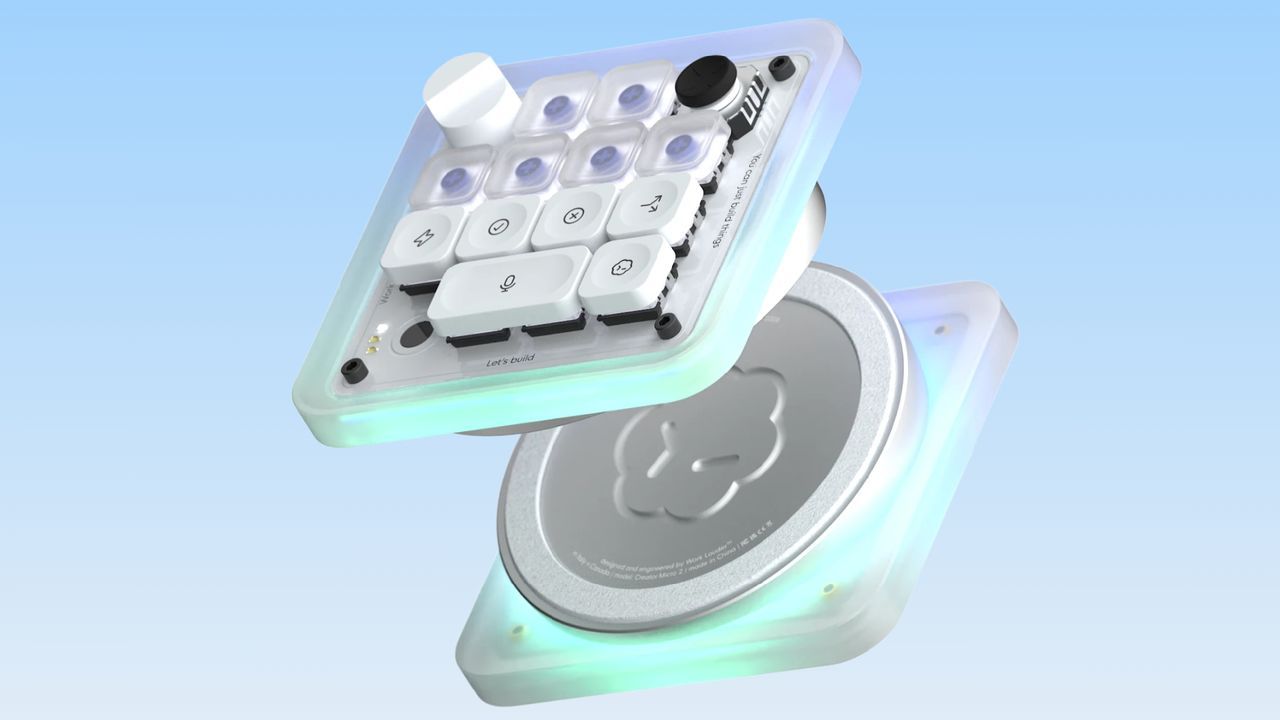
In the relentless march toward artificial intelligence, it is tempting to imagine a future dominated by abstract concepts and digital interfaces. Yet, for those of us who live between the code and the concrete, there’s a deep yearning for something tangible—a little doohickie sitting on the desk, an object that bridges the gap between complex algorithms and physical reality.
Enter the Codex Micro mini keyboard, OpenAI’s first foray into branded hardware. Designed in collaboration with Work Louder, this device isn’t just another gadget; it’s an attempt to ground the often ethereal world of AI agents in physical interaction.
While whispers circulate about larger developments, such as an upcoming AI-powered smart speaker, the Codex Micro focuses on a more immediate and fascinating application: allowing users to interact with and monitor multiple Codex threads simultaneously. This is achieved through a setup that features light-up keys, providing instant visual feedback on the status of each individual agent.
The hardware itself incorporates an intriguing control mechanism. A small dial situated in the top right corner allows users to fine-tune the depth of their AI agent’s thought process. Whether you need a quick task done or a deeply considered analysis, this dial offers a physical lever for adjusting cognitive intensity—a perfect metaphor for managing your own workflow.
It transforms abstract computational power into a physical experience. This approach suggests that as AI systems become more integrated into our lives, they will increasingly require custom hardware to facilitate true collaboration rather than remaining isolated within screens.
Adding a touch of irreverence to this highly technical offering are the accessories. The set includes 32 swappable keycaps, which bring a dose of pop culture absurdity right onto the desktop. Among them are labels like “yolo” and “yeet”, injecting a necessary sense of humor into the corporate-grade hardware.
The launch of the Codex Micro signals more than just a new keyboard; it hints at a shift in how AI is packaged. It invites us to embrace the notion that even the most advanced digital entities thrive when given physical context and bespoke tools. It’s a reminder that sometimes, the best way to understand a future dystopia is to design a little piece of sci-fi dreamscape.
Buy on Amazon
Credit