Outage proves you don’t own your Xbox games
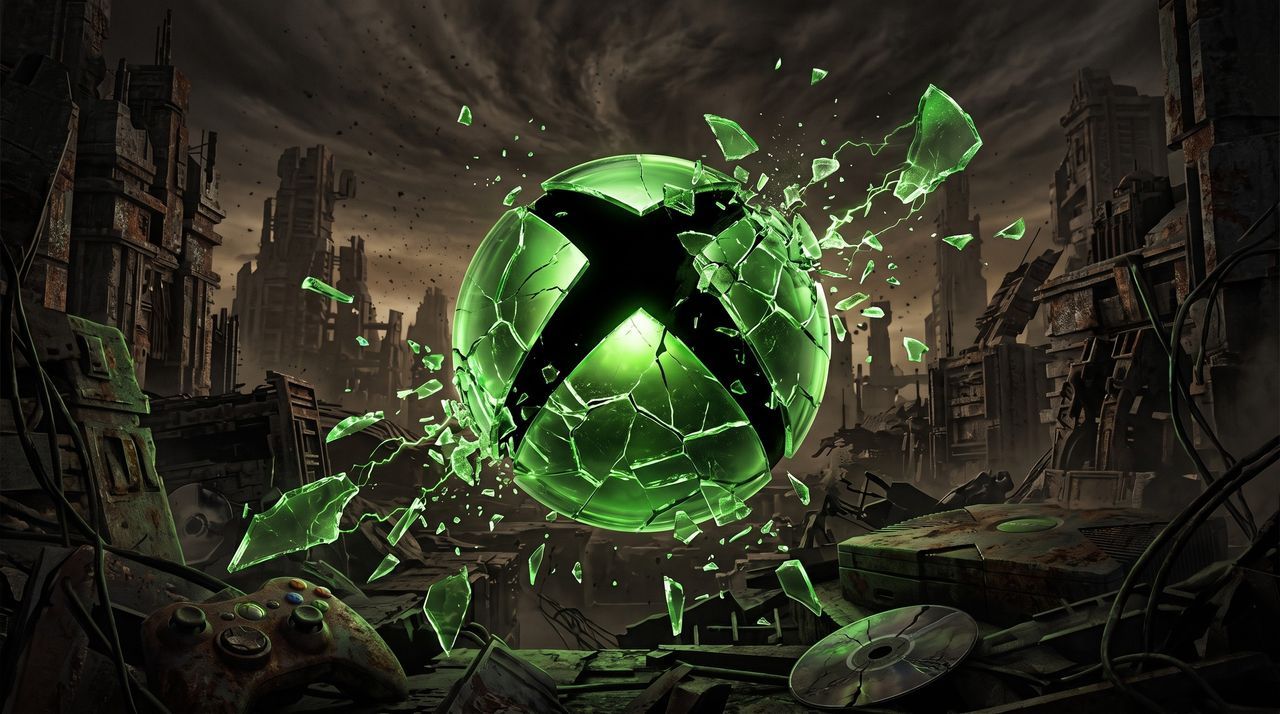
The digital world of gaming is constantly in flux, but sometimes, the very foundation of that world hits a catastrophic snag. On July 27, 2026, the Xbox experienced one of the most severe outages to its live services in recent memory. For nearly a full day, players were locked out, unable to sign into their profiles or launch downloaded games and applications. It was a massive disruption that tested the limits of what we expect from modern online entertainment.
When such an event occurs, the focus immediately shifts to understanding what went wrong. Xbox‘s Chief Technology Officer, Scott Van Vilet, quickly stepped up to address the situation, offering an apology and details on how this technical catastrophe unfolded. The immediate concern wasn’t just the downtime; it was the ripple effect across the entire gaming ecosystem.
The investigation uncovered a deeper issue concerning how physical game discs interacted with digital rights management. It turned out that the outage exposed friction points within Xbox’s system regarding “entitlement checks.” This is where things got particularly revealing: reports emerged that during the service interruption, some players were unable to access their games using discs as expected.
Tech engineers discovered that an issue prevented certain consoles from . Since offline mode is also designed to rely on these saved entitlements, the lack of server connectivity created a crisis for physical media ownership. The core dilemma is this: if the online servers falter, how do we ensure that players retain genuine access to the content they own?
This technical hiccup leads to a broader philosophical question about the game industry’s reliance on digital entitlement over physical ownership. The current system, which treats disc-based assets as mere “entitlement” tokens granting access to digital rights, is proving fragile. If Xbox Live servers experience another disruption, or if companies decide to delist games, physical discs risk becoming nothing more than .
The argument for a return to basics is compelling. To truly preserve ownership and provide reliable access, the industry needs to look beyond server dependence. While digital distribution offers convenience, the threat of systemic failure dictates that physical media—free from complex online checks—must be re-evaluated. This points toward alternative models, such as dedicated launchers and non-DRM systems used by PC gamers, offering true ownership outside the volatility of massive online infrastructures.
Ultimately, the future of game preservation seems to demand a shift. For players to feel secure about their investments, companies like Microsoft, Sony, and others need to prioritize providing genuine access over maintaining complex entitlement strings that are vulnerable to service interruptions. The conversation is now open: should we eliminate “entitlement” checks and DRM encryption entirely, ensuring that the physical object remains the actual key to the experience?
Credit