Overwatch 6v6 attempt is a disaster
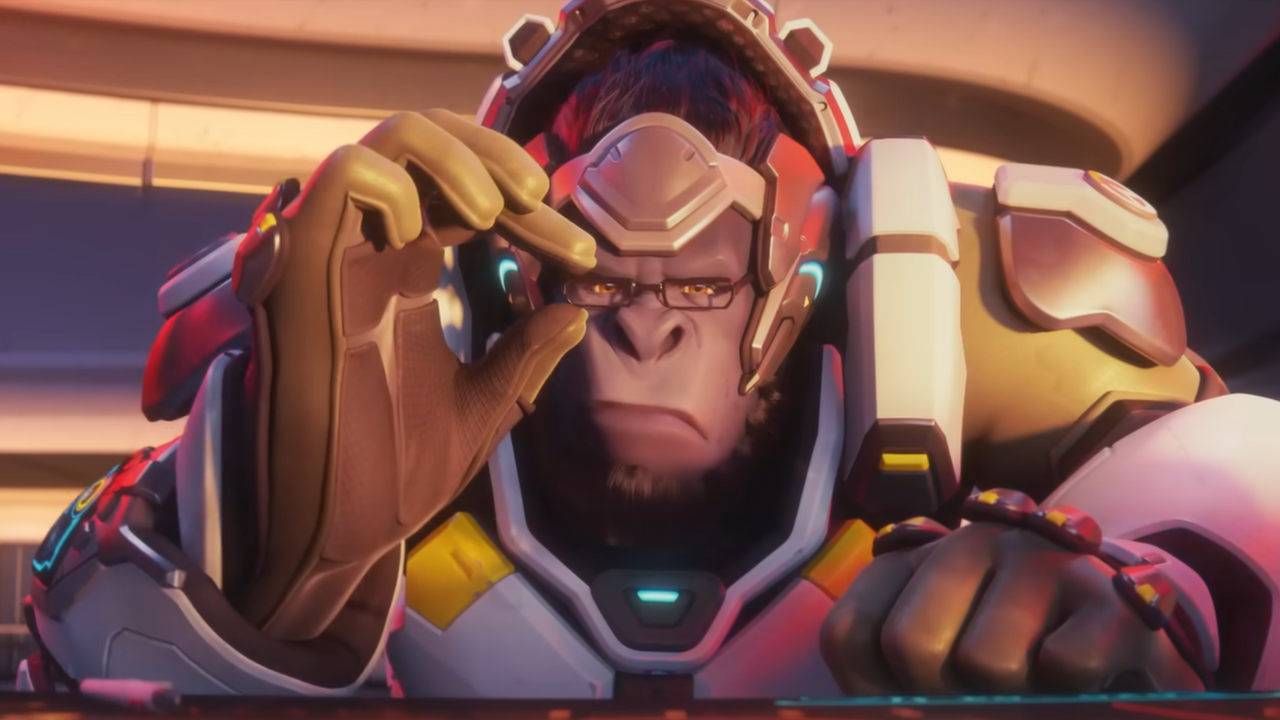
The long-standing debate over team-based gameplay in Overwatch has always revolved around a fundamental divide: the tactical precision of 5v5 versus the chaotic freedom of 6v6. For years, players have wrestled with which format truly delivers the most satisfying experience, and recent attempts to bridge this gap have brought yet another layer of complexity to the conversation.
The friction between these two formats has led to significant backlash, as many feel that neither mode perfectly captures the essence of competitive team play. In an effort to find common ground, some community efforts sought a compromise, proposing new modes that attempted to blend the strengths of both systems.
Most recently, this search for balance materialized in the Quickplay Hacked Event, a limited-time trial designed by the community to test innovative ideas and solicit feedback directly from the player base. This experiment introduced a hybrid 1-3-2 flex mode, allowing teams flexibility in composition—for instance, permitting one of the damage dealers to temporarily flex into a tank role.
On paper, this structure seemed like a logical solution: retaining the shorter queue times associated with 5v5 while injecting the team-based skirmishing and chaotic depth that 6v6 offers. However, when tested in practice, the results suggested that compromise often feels less like a fix and more like an awkward blend of two incompatible ideas.
The real-world testing revealed a striking difference based on team composition. When examining matches under these new rules, teams with two tanks consistently outperformed those fielding only one. This dynamic suggests a significant structural imbalance in the system itself.
This observation points to a core truth: balancing 5v5 and 6v6 is inherently difficult because they reward fundamentally different playstyles. The success of a team in the hybrid mode often hinged not on clever tactical adjustments, but on having superior player talent. Teams with two tanks simply had an advantage, which made winning against less-equipped opponents significantly easier.
Ultimately, introducing a flexible composition option like 1-3-2 does not solve the foundational dilemma. It appears to be largely redundant, as the inherent strength of the game seems to favor the more focused, impactful approach of 5v5.
The verdict is clear: Overwatch should prioritize the 5v5 structure, as its emphasis on deliberate skill and capitalizing on mistakes provides a superior competitive environment. While the allure of 6v6 chaos remains valid for some players, attempting to force a compromise between the two formats results in a middle ground that ultimately feels like the worst of both worlds. For optimal gameplay, focusing on the format that rewards skill—5v5—remains the strongest path forward.
Buy on Amazon
Credit
