Phantom Blade Zero’s sprawling action epic
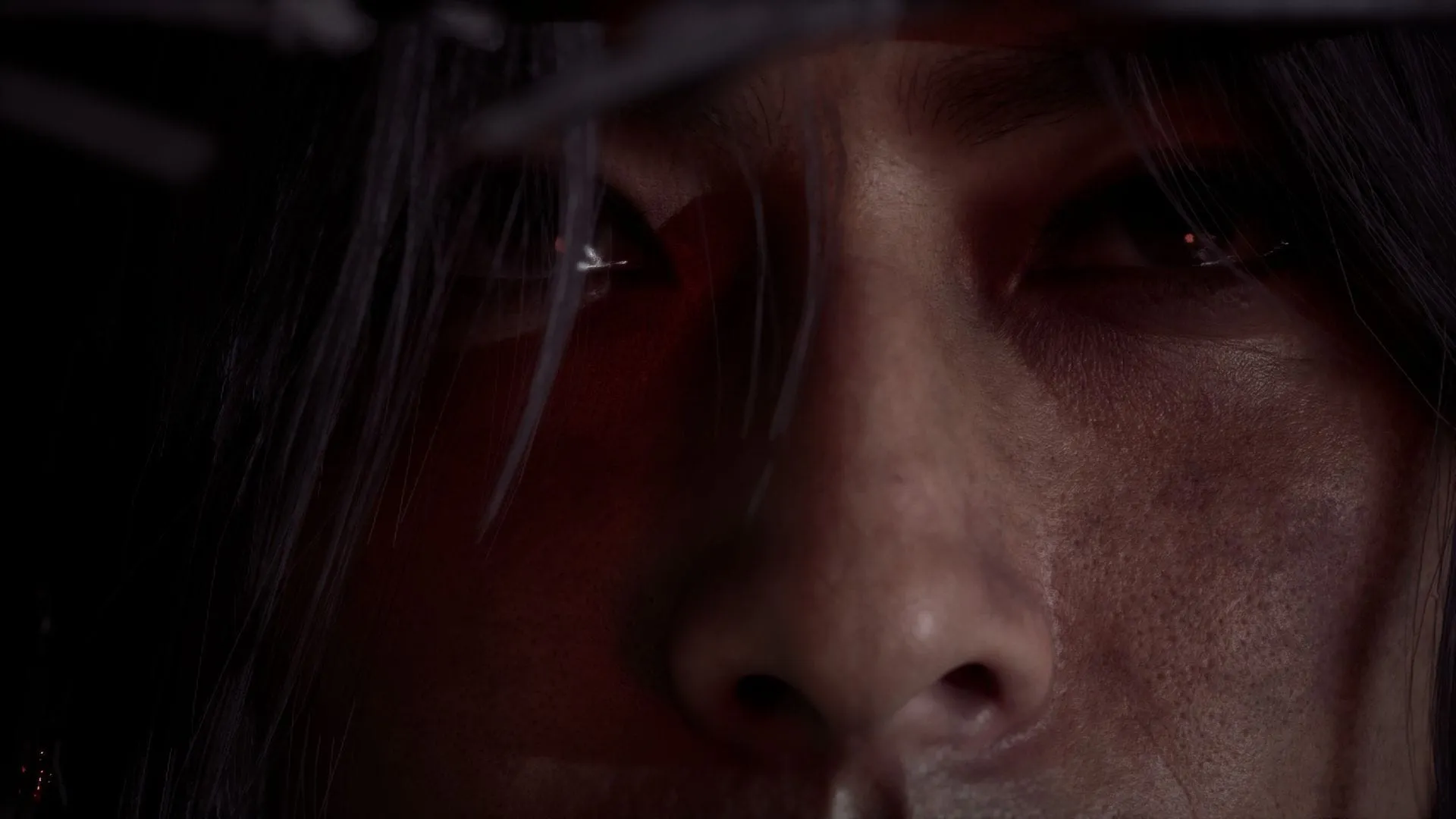
When you dive into a massive action RPG, the first impression is often about sheer chaos and unbridled creativity. That’s exactly the feeling I got after just fifteen hours into Phantom Blade Zero. Forget sticking to one weapon; I spent the initial hours cycling through dual blades, jagged weapons, and two-handed swords, constantly experimenting with how I could shred enemies in showers of blood.
The game throws a host of different mechanics at you, quickly demonstrating an epic ambition that some might worry will stretch the development timeline too thin. I’m already chasing two-handed blades that summon magical, energy-sapping flowers with every swing, and giant weapons that absorb life with every hit. It’s a rush of variety, but as I explore, I’m also encountering the sprawling, complex narrative that makes the game truly epic.
But ambition doesn’t always translate into clarity. While the world of Phantom Blade Zero is vast, the story often feels like a massive instruction manual dropped in the middle of a high-speed chase. I’ve encountered countless cryptic messages, fragmented flashbacks, and cutscenes that feel less like organic storytelling and more like an infodump from a writer who lived the entire saga in their head. It’s a game that demands attention, but sometimes that attention is spent deciphering shadows instead of simply experiencing the action.
The game’s approach to world-building is distinctly maximalist. Instead of guiding the player down predetermined paths, Phantom Blade Zero opts for a labyrinth of overlooked treasures, strategic diversions, and open-ended routes. This shifts the focus from following a set compass waypoint to carving one’s own way through the environment, rewarding meticulous exploration.
This sprawling design stands in stark contrast to games that prioritize focused narrative depth. Take, for instance, Capcom’s revival of Onimusha: Way of the Sword. While Onimusha offers straightforward, beautiful action—a story about Miyamoto Musashi’s personal journey—it keeps the focus tightly centered on the physicality of the sword, offering a rich sensory experience through weights and precise animations.
Phantom Blade Zero, by contrast, throws the player into a chaotic fusion of styles. It manages to blend the luxurious variety of a modern action RPG with the satisfying, complex combo flourishes of classic 2000s character action games. Each weapon, from the Outlaw Warblade with its evolving health-draining mechanics to the defensive abilities of the two-handed blades, has a unique path and a distinctive feel.
This blend results in combat that feels both deeply satisfying and intensely varied. The game successfully marries high-stakes boss fights—complete with stunning, one-off mocapped stunts—with a world that encourages intense personal discovery. It’s a maximalist experience that suggests that the true adventure lies not just in the story, but in the sheer freedom to play and experiment with a luxury arsenal.
Ultimately, Phantom Blade Zero delivers an experience defined by its scope. It proves that an epic adventure doesn’t have to be rigidly linear; it can be a magnificent, sprawling tapestry where the joy of discovery and the thrill of combat are given limitless room to flourish.
Buy on Amazon
Credit
