Planet Zoo 2: Stunning animals and frustrating micromanagement
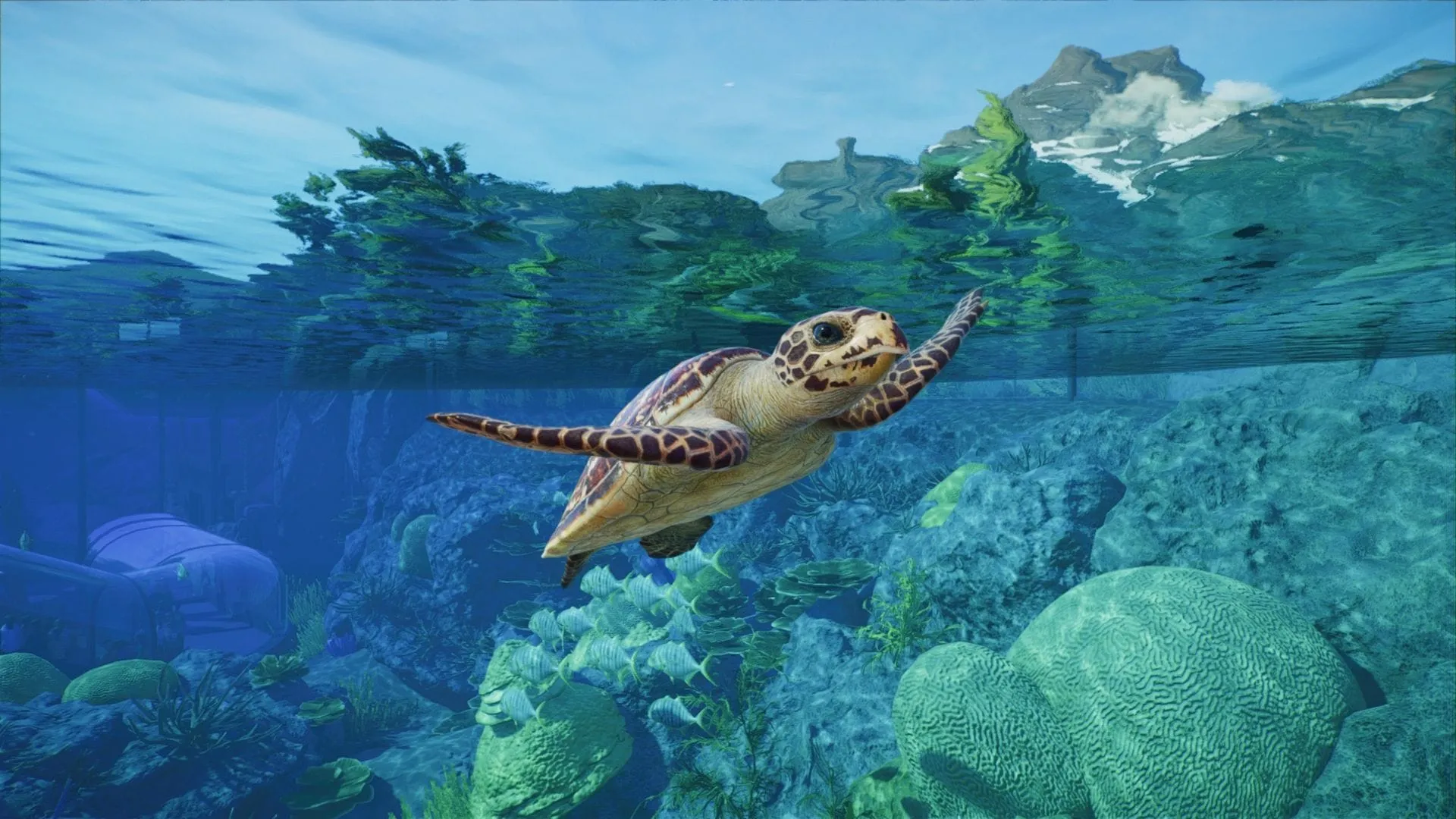
When you step into the world of Planet Zoo 2, you are immediately confronted by a breathtaking spectacle. Frontier Developments has done a marvelous job crafting critters that are truly majestic, clambering and prowling through photorealistic enclosures. Watching these animals swim, fly, and interact with their surroundings offers a soothing, almost therapeutic experience—a digital sanctuary where one can occasionally forget the frantic reality of the real world.
Yet, beneath the stunning visuals, there exists a certain tension. While the artistry of the animal designs is undeniable, the process of managing these living ecosystems can feel less like play and more like an exhaustive assignment. Navigating the tangled menus and intricate systems required to build a habitat often feels like an exercise in bureaucratic frustration rather than creative joy.
This is where the latest expansions, introducing fish, birds, and vast nature reserves, aim to shift the focus from mere display to global responsibility. The aquatic and avian additions are welcome enhancements to the menagerie, but the real game-changer is the concept of conservation. Players now have the opportunity to move beyond simple enclosure management and contribute to global conservation by releasing rehabilitated animals into untamed wildernesses.
The career mode amplifies this theme, demanding that players take on the monumental task of restoring ecosystems, from the frigid Swedish tundra to the dense jungles of Sumatra. This requires physically sculpting landscapes, carefully placing flora and undergrowth to ensure the newly released animals can thrive in their rolling, untamed environments. It is a noble objective, reflecting a genuine respect for conservation efforts.
However, managing these expansive reserves introduces a new layer of complexity. These reserves operate as gamified terrain editors, pulling attention away from the day-to-day zoo management. Players constantly jump between menus, releasing animals, and observing cutscenes, which can sometimes feel like a distraction from the core task of running a healthy, thriving zoo.
The challenge lies in the design tools themselves. If building a habitat in Planet Zoo 2 requires navigating a spider’s web of menus, the process often feels more like work than creation. The need to obsess over hyper-specific variables—checking the correct temperature, terrain type, plant placement, and even the precise sex ratio—feels like treating a wound that requires major surgery rather than allowing for creative flow.
The desire is clear: to create an experience that feels like play, not penance. There is a yearning for creation tools that allow players to drag out habitats by area, treating space as the fundamental element of design, rather than forcing them into complicated, meticulous calculations. Instead of focusing on the minutiae of habitat design, players want the satisfaction of a simple, triumphant moment—like releasing an adopted animal into its new, wild home.
Ultimately, the true magic of the game lies not in the tedious management of mundane logistics, but in the stunning artistic achievement of the animals themselves. With new features adding aquatic life and conservation goals, the focus now shifts to finding a way to blend the exhilarating world of majestic creation with a truly liberating, joyful sense of play.
Buy on Amazon
Credit
