Playable Tomb Raider scales to 1024×600 on a 1-watt chip
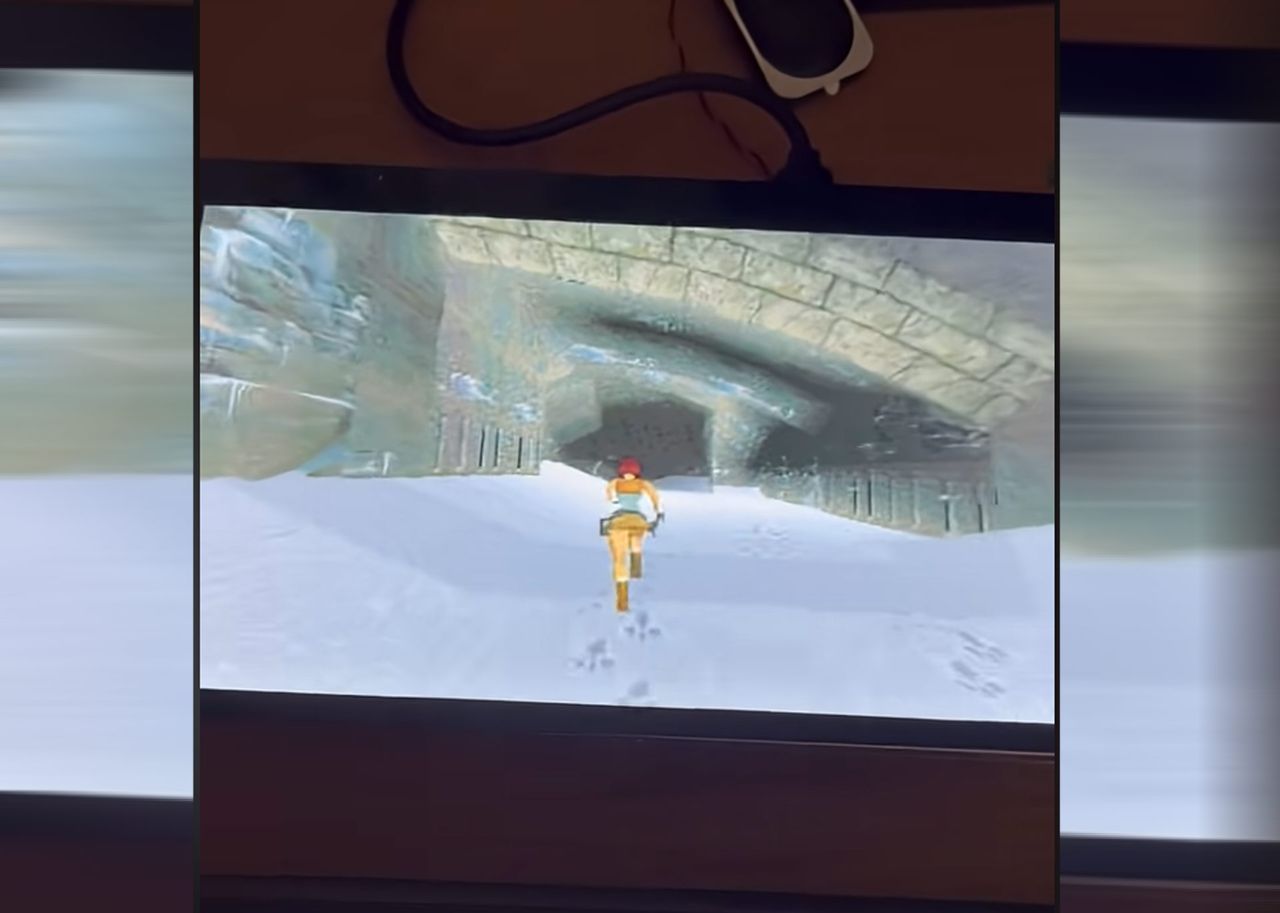
Forget expensive consoles and power-hungry PCs. A dedicated retro gaming enthusiast has proven that the quest for high-fidelity adventure gaming doesn’t require a massive budget—it just requires smart engineering and a little retro flair. The latest demonstration throws a spotlight on how humble microcontrollers are evolving into surprisingly powerful gaming platforms.
The star of this low-wattage adventure is the ESP32-P4 microcontroller. This device, available as an affordable development board under $25, is capable of running a slick, playable experience of classic titles like Lara Croft adventuring through ancient tombs.
What makes this setup so compelling is the efficiency. Despite delivering a full 1,024 x 600 pixel visual experience, the system manages to consume roughly 1 watt at peak. This achievement shows that high-end gaming fun doesn’t have to come with a massive energy bill, embracing the trend of power-sipping technology in 2026.
But the story goes far beyond simply running a game. The innovation lies in the capabilities of the chip itself. The ESP32-P4 packs a dual-core RISC-V CPU, featuring AI instruction extensions, an advanced memory subsystem, and integrated high-speed peripherals. This isn’t just a basic processor; it’s a Swiss Army knife of computing, including an FPU, DSP, and ISP, along with up to 64MB of PSRAM.
This newfound horsepower shatters the old notion that developers must be extremely resource thrifty. Today, microcontrollers possess enough capability to spare, allowing them to handle complex multimedia tasks effortlessly. The developers highlight that this powerful chip configuration feels almost like a dream from the original Tomb Raider era.
The demo setup itself is wonderfully simple yet effective. The hardware is connected to an LCD screen, features stereo audio pumped through an ES8311 codec, and is controlled via a standard USB keyboard, creating a fully functional, retro-styled experience.
This demonstration is part of a larger shift in the world of embedded computing. We’ve seen ESP32 family microcontrollers utilized for everything from powering retro Apple emulators and ad-blocking dongles to running sophisticated AI models, including 28.9 million parameter Large Language Models.
The message is clear: the future of computing is decentralized and incredibly powerful. Whether you are a developer building the next big thing or a gamer looking for a cost-effective way to relive the classics, the advancements in microcontrollers are proving that the most powerful innovations often come in the smallest, most efficient packages.
Buy on Amazon
Credit
