Playtester runs from Outlast studio to cry outside
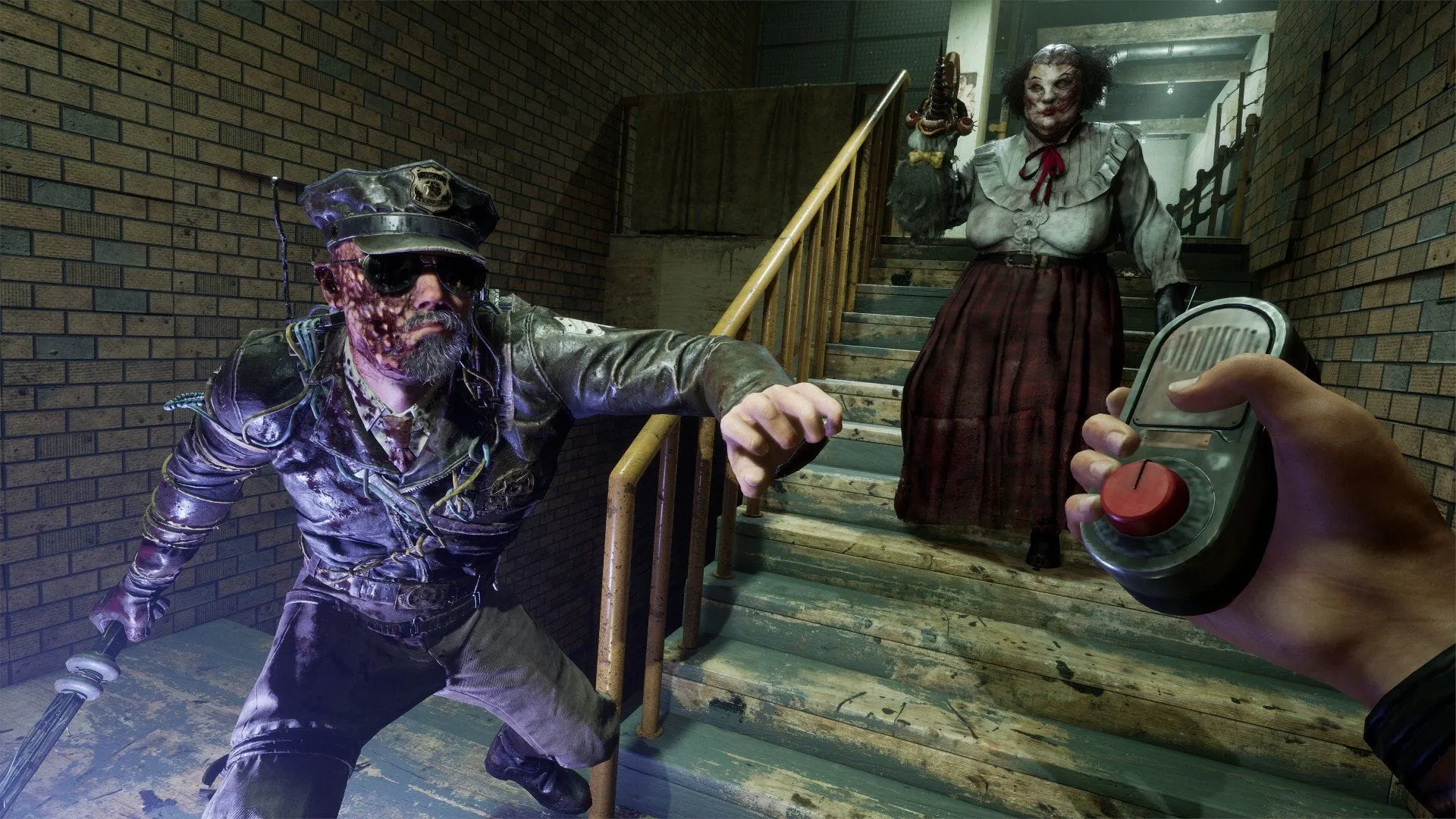
The Outlast series has carved out a reputation for something far more than just scares; it’s a bold, often shocking departure from traditional horror. With its unflinching depictions of violence, gore, and nudity, the games have pushed boundaries within the medium itself. But the shock factor extends beyond the screen, touching the very environment where these games are made.
While the result is a juggernaut of popularity, the process of creating such intense material has revealed a complex reality within the Red Barrels studio. Co-founder Phillipe Morin recently opened up about the genesis of their extreme approach, clarifying that the graphic nature was not a calculated move to incite controversy. Instead, it stemmed from a core belief: they were making a horror game, and naturally, that meant embracing the gore. Morin recalled the early mandate, noting that even scriptwriters seemed to agree that there was never too much blood.
However, this artistic decision came at a significant cost to those involved. The intense, graphic nature of the development environment proved triggering for some members of the studio. Morin recounted a difficult experience during a playtest where a participant reportedly ran out of the facility, seeking refuge outside, leaving the studio in a state of distress. This incident highlights the difficult intersection between creative vision and the psychological well-being of the team.
Red Barrels has acknowledged the potential psychological effect of its content, and this awareness now informs how the studio handles recruitment. They insist that potential employees must be fully informed about the content and the necessary conversations required to create it. The intention is to ensure comfort and transparency, but the reality of the workplace remains complicated.
Despite these efforts at transparency, the experience has not always been seamless. Morin noted that one instance of a team member resigning occurred because, even with knowledge of the gore and violence, there was a blind spot regarding other sensitive topics, particularly religion, which created discomfort. This tension between artistic freedom and workplace comfort remains a delicate balance.
The success of the series, however, speaks volumes about the audience’s appetite for this level of intensity. The series has amassed a staggering 60 million players since 2013, and the most recent installment, The Outlast Trials, sold half a million copies in its first week of early access. This massive global adoption suggests that while the content is extreme, the audience is clearly ready to embrace it.
As the studio looks toward future projects, the path appears set. Given the overwhelming market demand for the genre, it is highly unlikely that Red Barrels will temper its uncompromising approach. The focus remains squarely on delivering the visceral horror that has made the Outlast franchise a global phenomenon.
Buy on Amazon
Credit
