Pro-Ukraine hack claimed to shoot down Su-57 in friendly fire Moscow denies crash cause
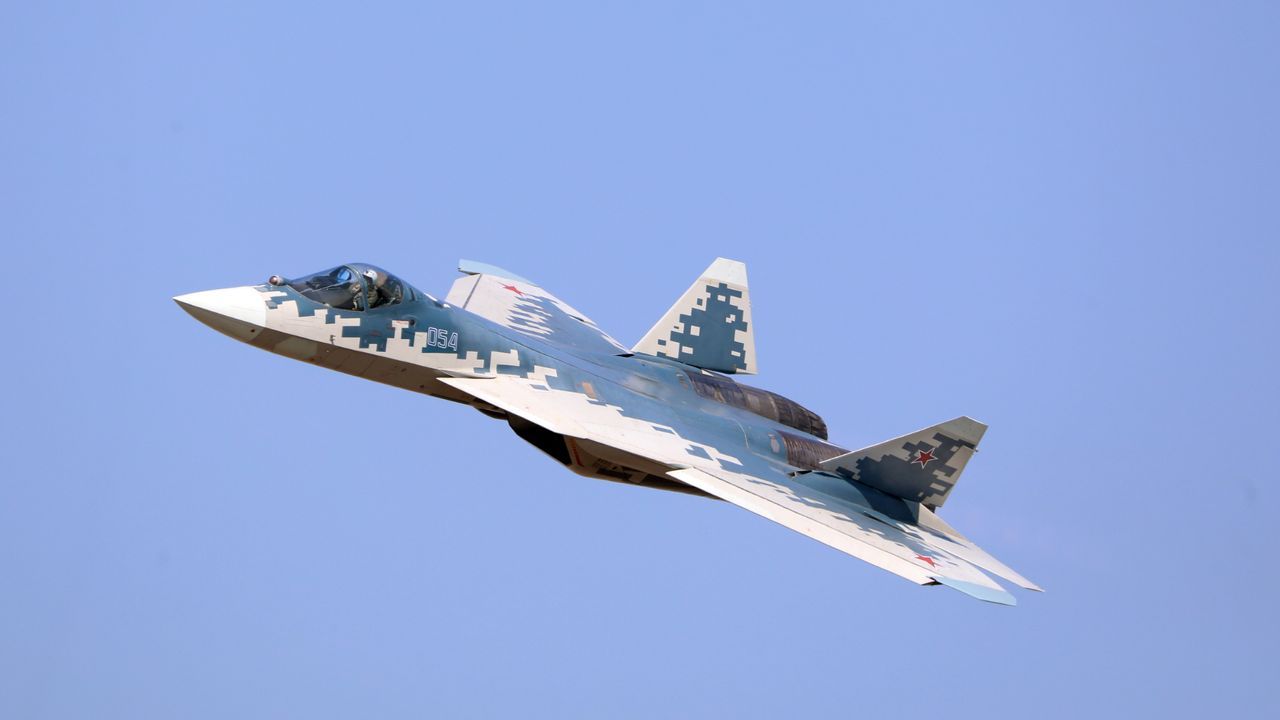
The skies over the Moscow region have been the stage for a dramatic incident involving a highly advanced Russian fighter jet, the Su-57 stealth fighter. While official reports from Russian state media cite a “technical malfunction” as the cause of the crash during a routine training mission on Thursday, competing narratives are emerging, suggesting a far more complex and intentional scenario.
A pro-Ukraine intelligence group has publicly asserted that this accident was not merely a mechanical failure but the result of successful sabotage. Their claim centers on the idea that Russia’s sophisticated air defense system, the BARS Moscow network, was compromised, leading directly to the shooting down of the stealth aircraft.
The story behind this assertion dives deep into the realm of intelligence operations. The Ukrainian group suggests that their cyber specialists played a pivotal role in compromising major Russian drone systems. This alleged operation involved leveraging leaked documents—acquired through both human intelligence (HUMINT) and cyber intelligence (CYBINT)—to gain insight into the manufacturer’s systems.
The objective, according to these claims, was to influence the operation of the BARS Moscow air defense unit. The goal was not just a simple hack, but a coordinated cognitive and cyber influence campaign designed to disrupt or overload the anti-drone shield set up around Moscow. This culminated in the system shooting down the incoming Su-57.
The implications of this alleged operation are significant. Russia reportedly possesses only a handful of these advanced Su-57 aircraft, which are crucial assets for launching long-range missiles. This disparity fuels intense focus on potential methods to disrupt or neutralize these systems, highlighting Ukraine’s persistent efforts and priorities in the broader conflict.
To bolster their claims, the group has shared evidence suggesting a broader level of espionage. They have released excerpts detailing Russian hardware, combat algorithms, and system vulnerabilities that were supposedly obtained through intelligence channels. This paints a picture of an intricate interplay between military action, digital warfare, and strategic information gathering.
Furthermore, supporting material exists suggesting the effectiveness of this approach. Some evidence points to training footage from the range where Russia’s BARS Moscow crews were practicing countermeasures against long-range drones, which could be interpreted as related context to the incident.
The event underscores a critical theme in modern conflict: the blurring lines between accidental loss and deliberate action, especially when advanced technology and intelligence operations are brought into play. Whether viewed as an unfortunate technical mishap or a sophisticated act of sabotage, the fate of the aircraft remains a potent symbol of the ongoing geopolitical tensions.
Buy on Amazon
Credit