Project Zenith demands 64GB RAM for AI on AMD Ryzen AI Halo
Project Zenith: Microsoft Unlocks the Future for AI Developers
Microsoft has just rolled out a major update to Windows 11, launching Project Zenith, an operating system explicitly engineered to revolutionize the experience for software developers. This isn’t just another operating system update; it is a dedicated environment designed to eliminate friction, allowing developers to jump straight into coding without getting bogged down in configuration.
At the heart of Project Zenith is a focus on raw performance and efficiency. Redmond claims the new OS provides a distraction-free experience on developer-class hardware, boasting specifications like 64 GB of unified memory and 250+ GB/s memory bandwidth. This massive bandwidth is crucial for handling the intense computational demands of modern software development.
The real power of Zenith lies in its toolkit. Microsoft has pre-installed a powerful suite of essential developer tools right out of the box. This includes industry standards like Visual Studio Code and GitHub Copilot, alongside essential command-line utilities such as Git, PowerShell 7, WSL 2 with Ubuntu, Python 3.14+, and various AI-focused tools like GitHub CLI and AzureCLI. The goal is clear: to provide a complete, immediately functional workspace.
This platform is particularly targeted at the burgeoning field of artificial intelligence development. By optimizing the operating system for high-performance tasks, Project Zenith is perfectly positioned for developers working with large language models and complex machine learning pipelines.
Furthermore, Zenith introduces significant security enhancements tailored for the AI age. The system integrates features such as OS-enforced identity and containment through Microsoft Execution Containers (MXC), providing enterprise-grade manageability and security when deploying sophisticated AI agents.
The motivation behind Project Zenith is deeply rooted in the current challenges facing the AI industry. As agents and tokenized billing become increasingly prevalent, developers are facing a substantial cost crisis. Project Zenith aims to offer a solution by enabling developers to run complex, resource-intensive AI tasks locally on their own devices, reducing reliance on expensive cloud services and mitigating the spiraling token costs associated with agentic AI.
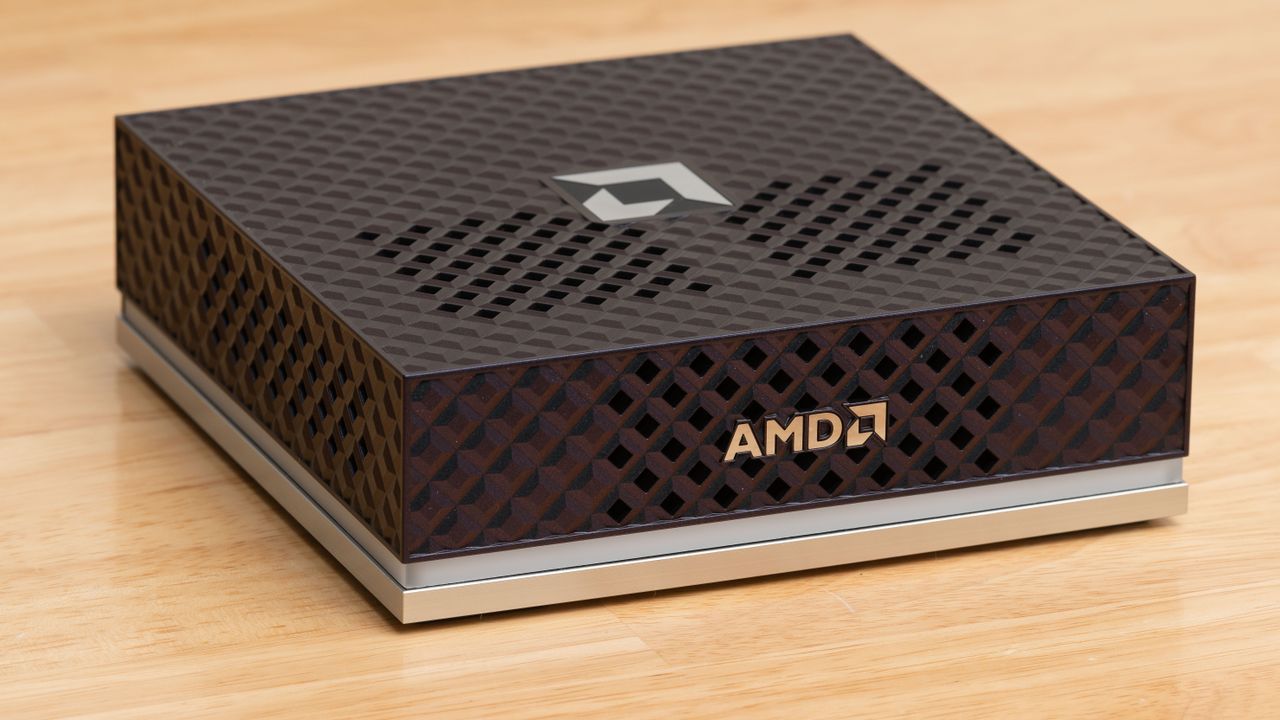
However, achieving this vision comes with a notable set of trade-offs. Currently, Project Zenith’s advanced capabilities are tied to high-end, expensive hardware. For instance, the initial launch is tied to devices like the AMD Ryzen AI Halo, which carries a significant price tag, reflecting the high memory and processing requirements.
The primary roadblock remains the cost of memory. To fully realize the potential of Project Zenith’s unified memory structure, developers will need 64 GB or more, a requirement that clashes directly with the current reality of skyrocketing RAM prices driven by the AI boom. While Microsoft envisions future flexibility, the immediate access to this cutting-edge experience remains gated by the high cost of necessary components.
Buy on Amazon
Credit
