Publishers refused Outlast Red Barrels found funding through public programs
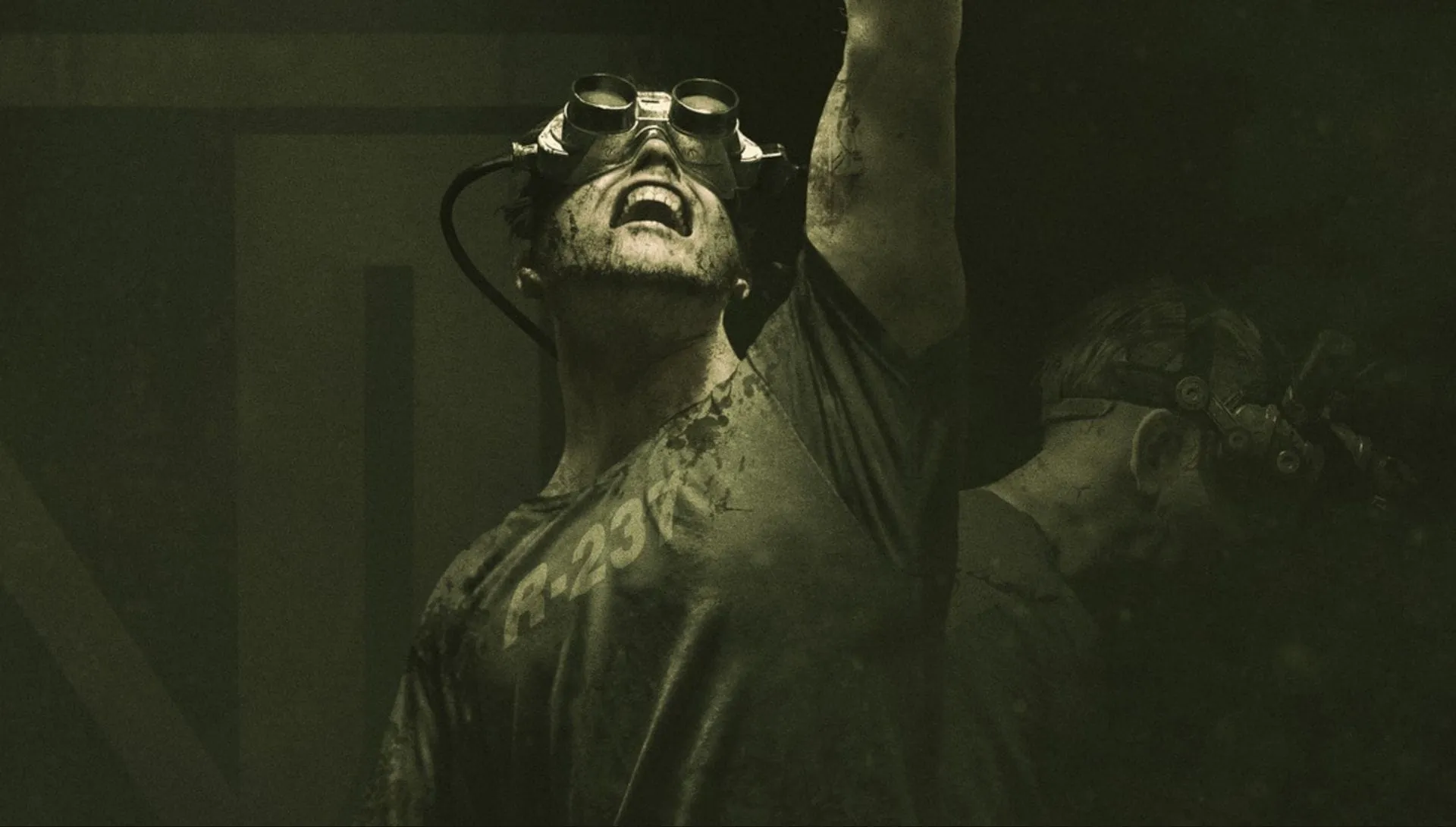
Few games carve out a niche as deeply as the horror genre, and few have maintained a reputation as fiercely memorable as Outlast. It’s a title that has managed to stay genuinely terrifying, even as the gaming landscape has shifted dramatically. Yet, the journey to create such a juggernaut was anything but smooth. It wasn’t just a story of scares; it was a tale of entrepreneurial grit, massive risk, and sheer determination.
When the seeds of Outlast were sown, the original team at Red Barrels faced the challenge of moving a massive vision from concept to reality. They sought the impossible: convincing major publishers to greenlight a high-budget horror game. Initially, they had an ambitious timeline, hoping to craft a pitch within months and shop it around. What they quickly learned, however, was that the market wasn’t ready for the genre in the way they envisioned.
The pitch process proved challenging. Publishers were wary. They reportedly found that investing a substantial sum—like the $500,000 demanded for a major release—was far more appealing for developers targeting the massive mobile market than for a niche horror title. This discrepancy highlighted a wider industry perception: despite the genre’s success, horror was still often seen as a smaller area of interest compared to other gaming sectors.
Feeling the need to pivot, co-founder Philippe Morin made a bold move. He stepped away from the original team and assembled a dynamic new group of ten developers drawn from larger, established studios. Their new mission was clear: embrace the unknown and learn the business of publishing and marketing from the ground up.
This transition meant trading comfortable development expertise for raw, on-the-fly learning. The team had to master the complexities of sales, marketing, and publishing while simultaneously developing a game. It was a true sprint, demanding long, grueling hours as they worked to secure the necessary financing.
To keep the project alive, the team took monumental financial risks. They leveraged personal savings, utilized credit cards, and mortgaged their homes to fund the development. Everything was on the line, pushing the boundaries of what a small team could achieve.
Despite the immense financial pressure, the resilience of the team paid off. Within just five months, Red Barrels achieved a significant milestone: 400,000 copies sold. While not all sales were at full retail price, this success netted the team “pretty significant bonuses,” proving that sheer will can overcome massive obstacles.
Outlast went on to become a global phenomenon, eventually selling 15 million copies. From this foundation, the franchise continued to evolve, spawning three other acclaimed titles. Most recently, the momentum continued with The Outlast Trials, a multiplayer horror experience that continues to captivate audiences, recently achieving an all-time concurrent player count peak of 147,955.
Buy on Amazon
Credit
