Replaced Microsoft Editor with Copilot and Gemini after 1 month
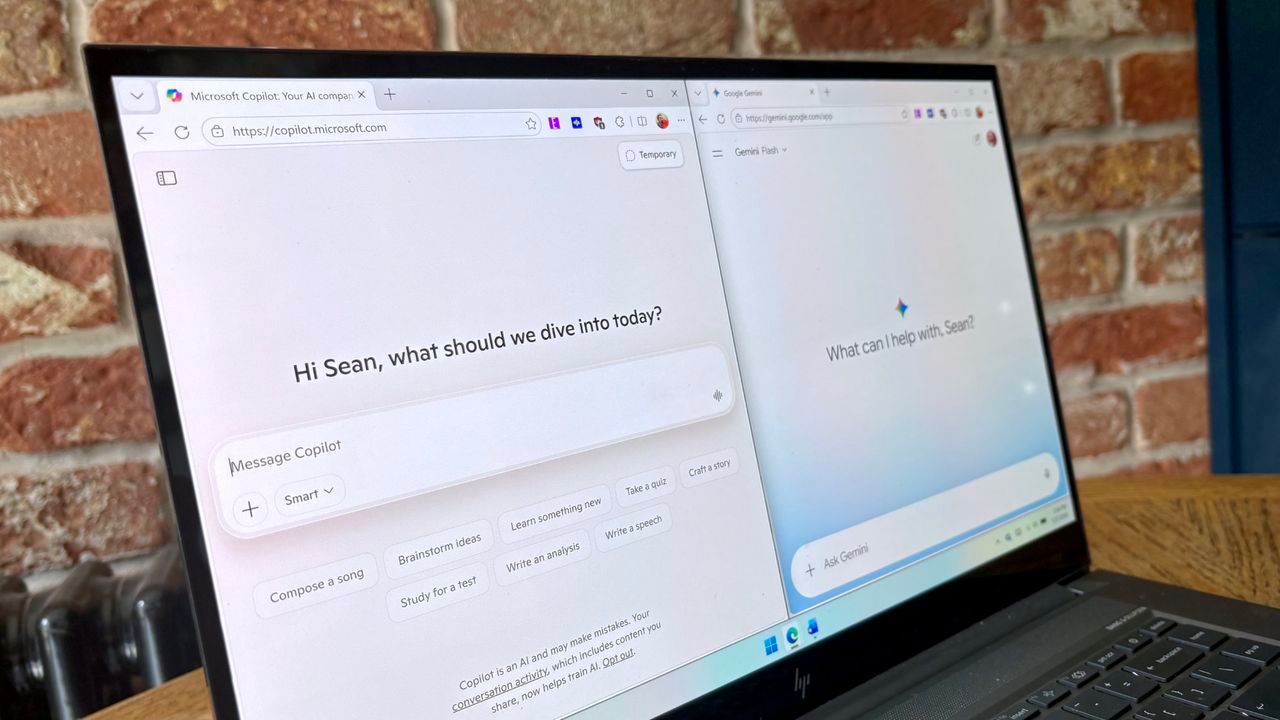
The endless battle between a writer and their text is timeless. For years, we’ve relied on spellcheckers and grammar tools to polish our work, but the advent of AI assistants like Copilot and Gemini has thrown a fascinating new dimension into the editing process. But do these powerful systems simply spot typos, or can they truly understand the nuances of human language?
To find out, a recent experiment pitted these sophisticated AI tools against each other, and against the tried-and-true Microsoft Word Editor. The goal was simple: test if artificial intelligence offered a genuinely superior experience for proofreading and refining written content.
In the testing phase, we quickly noticed that personality played a role. When interacting with Copilot, the experience felt markedly more personal. While both tools shared the predictable AI clichés—like overusing the word actually or starting responses with pleasantries—Copilot excelled in flow and editorial suggestions. It seemed to possess an intuitive understanding of how to rearrange text for better readability, making it feel like a sharp, modern editing partner.
Gemini, on the other hand, presented a different facet of the AI experience. It didn’t strive for bubbly conversation but offered something more grounded and helpful—a true coworker. When it came to mechanical issues, Gemini often proved more thorough, delivering highly accurate corrections related to grammar and syntax. It was the meticulous mechanic of the group, focusing on flawless execution.
This split in performance illuminated a key difference: Copilot seemed best at analyzing the flow of an editorial piece, while Gemini excelled at scrutinizing the mechanical details. One felt like a brilliant stylist; the other, a relentless proofreader. Both assistants demonstrated their respective strengths, even showing blind spots—Gemini sometimes struggled with outdated product names unless explicitly prompted to search the web, while Copilot needed nudging in similar areas.
When compared to Microsoft Editor, the difference became stark. While the traditional editor handles obvious errors effectively, it struggles in the nuanced world of context. For instance, a common human error—like confusing “over time” with “overtime”—was missed by the standard tool. However, both Copilot and Gemini successfully identified these subtle contextual shifts that Microsoft Editor often overlooked, demonstrating an ability to see beyond rigid rules.
Ultimately, the finding is clear: AI tools approach text not as a set of isolated words governed by strict if/then rules, but as a cohesive whole filled with context. They analyze the entire sentence and document flow simultaneously. This capability allows them to spot errors that rely on understanding the bigger picture—tenses, contextual misplacements, and subtle phrasing issues—that rigid editing software often misses.
If you choose to integrate Copilot or Gemini into your workflow, remember that they are most effective when guided by clear instructions. They excel at heavy lifting, taking a rough draft and generating polished copy, but the final human review remains essential for ensuring tone and accuracy.
Join us on Reddit at r/WindowsCentral to share your insights and discuss our latest news, reviews, and more.
Buy on Amazon
Credit