Riot backs down on paid LoL skins after backlash
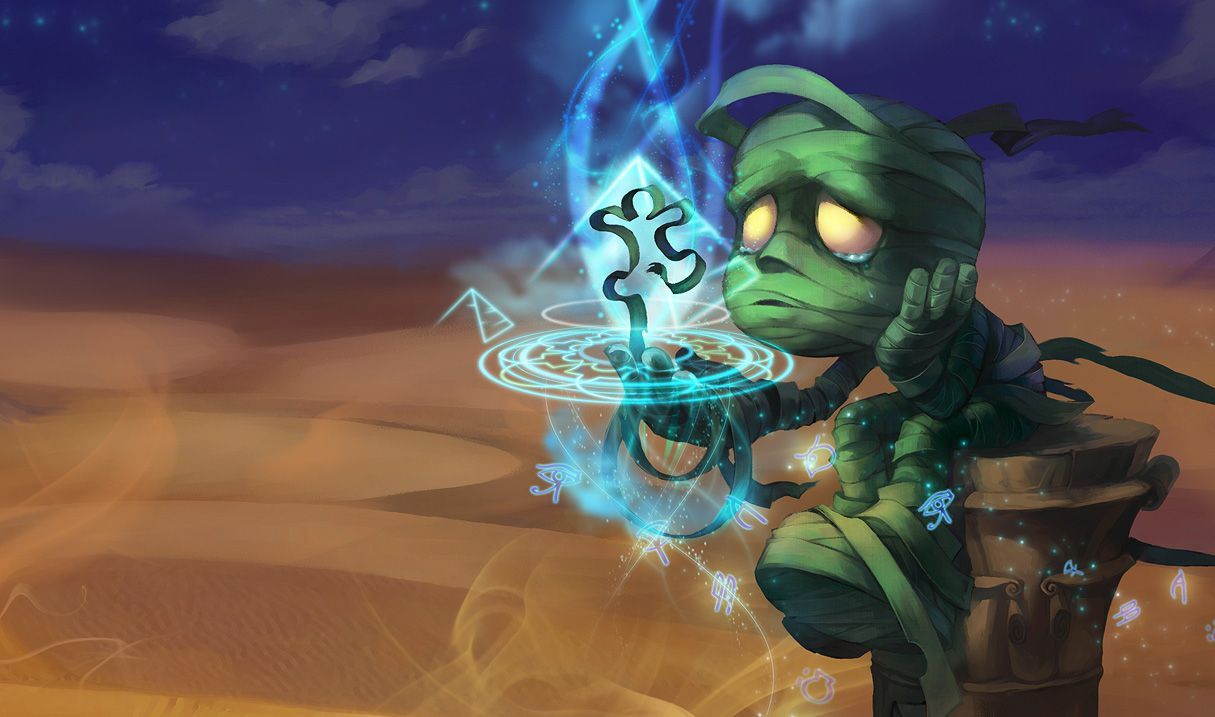
In a move that tossed a wrench into the finely tuned machinery of modern League of Legends design, Riot Games recently put a nostalgic experiment in the public test environment: League of Legends Classic. This mode attempts to remix the MOBA experience by consciously deleting much of the current roster and restoring beloved character kits and builds from 2013 and earlier.
While the concept promised a trip down memory lane, the initial reception was decidedly mixed. Players were immediately faced with the aesthetic dissonance between the deeply nostalgic gameplay and the sleek, modern visuals they were accustomed to in other parts of the game. The visual approach, which featured classic skins unlockable through tokens or real money, sparked immediate debate among the community.
Some players voiced their concerns, questioning the direction of monetizing these historical assets. One thread on a major gaming forum highlighted the friction, suggesting that charging for such a retro experience felt incongruous with the spirit of classic gaming.
Riot addressed this feedback swiftly, aiming to smooth over any controversy and steer the project forward. In a public video blog, Brian “FeralPony” Feeney acknowledged the player concerns regarding the skins and other aspects of the mode. He clarified that while players on the PBE server already had access to classic skins, Riot intended for these historical aesthetics to become the default option in Classic mode, effectively replacing modern champion appearances with their older counterparts.
The decision to pursue a “greatest hits” approach rather than sticking to a single patch was rooted in player desire for historical breadth. Surveys indicated that players felt classic League was best during the year they started playing, or even before, leading Riot to gather a wide spectrum of history rather than a narrow timeline.
This commitment to diverse history is not just aesthetic; it reflects a deep appreciation for the evolution of the game. Further assuring the community, other Riot developers have also confirmed that the project is actively evolving. Senior VFX artist Sirhaian remarked on the process, noting how enjoyable it was to essentially “undo my years of work” and bring these older elements back into the spotlight.
As League of Legends Classic moves toward its standard server launch, player votes will guide further adjustments. This ensures that the historical experiment remains a collaborative effort, allowing the community to shape how this unique blend of nostalgia and modern gameplay evolves into the future.
Buy on Amazon
Credit
