RX 9050 announced: 8GB VRAM and RDNA 4 boost to 2600MHz
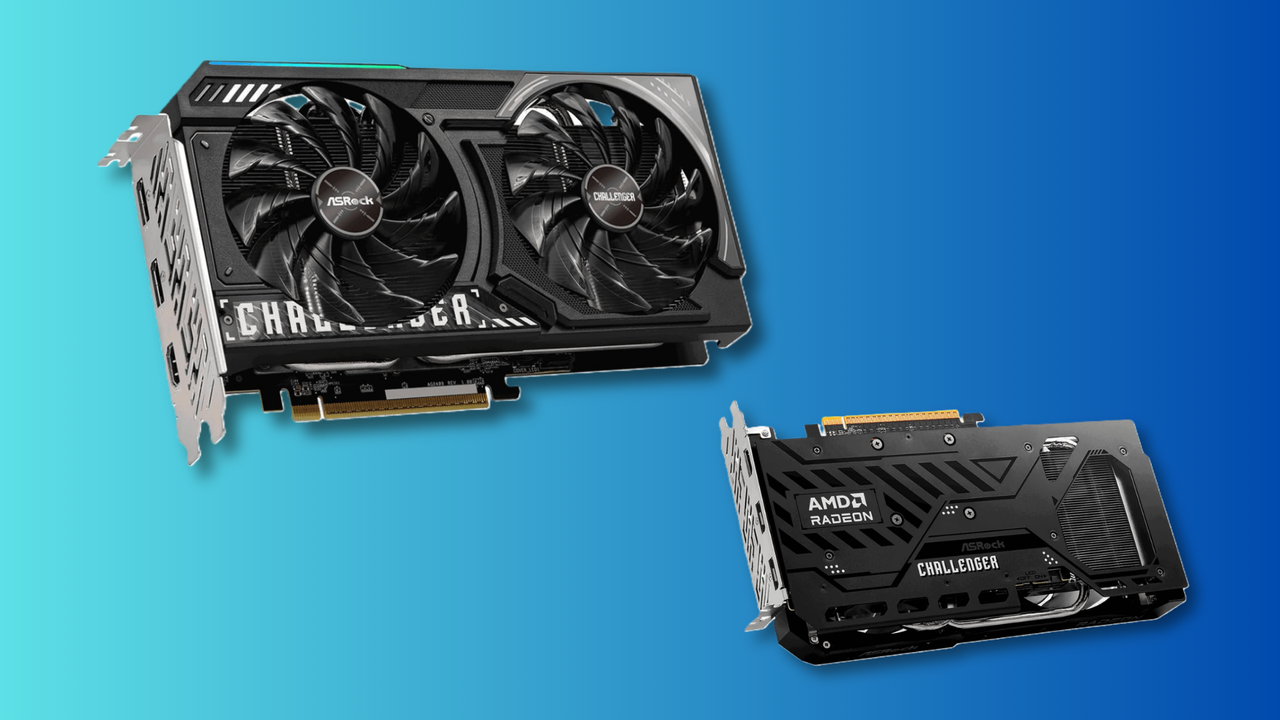
The world of graphics processing units is buzzing with whispers of a potential design shift from AMD, particularly concerning entry-level gaming cards. While official announcements remain elusive, recent leaks have provided a tantalizing glimpse into the rumored specifications of the Radeon RX 9050 series, hinting at some long-awaited changes in memory configuration.
ASRock has recently posted configurations for the rumored Radeon RX 9050, listing both a 4GB and an 8GB VRAM variant. This information immediately drew attention because it touches upon a highly debated topic: the return of 4GB VRAM cards in the current generation of GPUs—a configuration not seen since 2022.
The specs reveal a fascinating split between the two variants. The 8GB model, built on the Navi 44 architecture, features 1,024 cores and 8 GB of GDDR6 memory, utilizing a wider 128-bit bus to achieve a substantial 288 GB/s bandwidth. This configuration is expected to offer robust performance for 1080p gaming, especially when paired with upscaling technologies like FSR 4.
However, the smaller 4GB version presents an even more intriguing scenario. It uses the same core count but limits the memory to 4 GB of GDDR6 VRAM operating over a narrower 64-bit bus, resulting in a bandwidth of 144 GB/s. This is significant because most current-generation cards have defaulted to 8GB as the baseline, raising questions about future-proofing and resource allocation.
This memory split suggests that AMD might be positioning these options strategically: perhaps the 8GB model targets direct consumer sales, while the 4GB option remains primarily available through Original Equipment Manufacturers (OEMs).
The architectural foundation of the RX 9050 appears to be a cut-down version of the Navi 44 GPU, which shares lineage with the highly successful RX 9060 series. This indicates that AMD is leveraging existing designs while introducing configuration options based on memory capacity.
In terms of physical design, the rumored cards are expected to adopt a clean aesthetic: a black shroud accented with silver details and tasteful RGB lighting. They feature modern connectivity options, including two DisplayPort 2.1a ports and one HDMI 2.1b port, all powered by a single 8-pin PCIe connector.
This latest development surfaces during a period of significant industry turbulence, marked by ongoing component shortages and memory constraints. The potential for these configurations—especially the availability of 4GB VRAM again—adds another layer of complexity to the highly competitive hardware landscape.
Buy on Amazon
Credit