Ryzen 7 5800X3D back in stock for huge savings
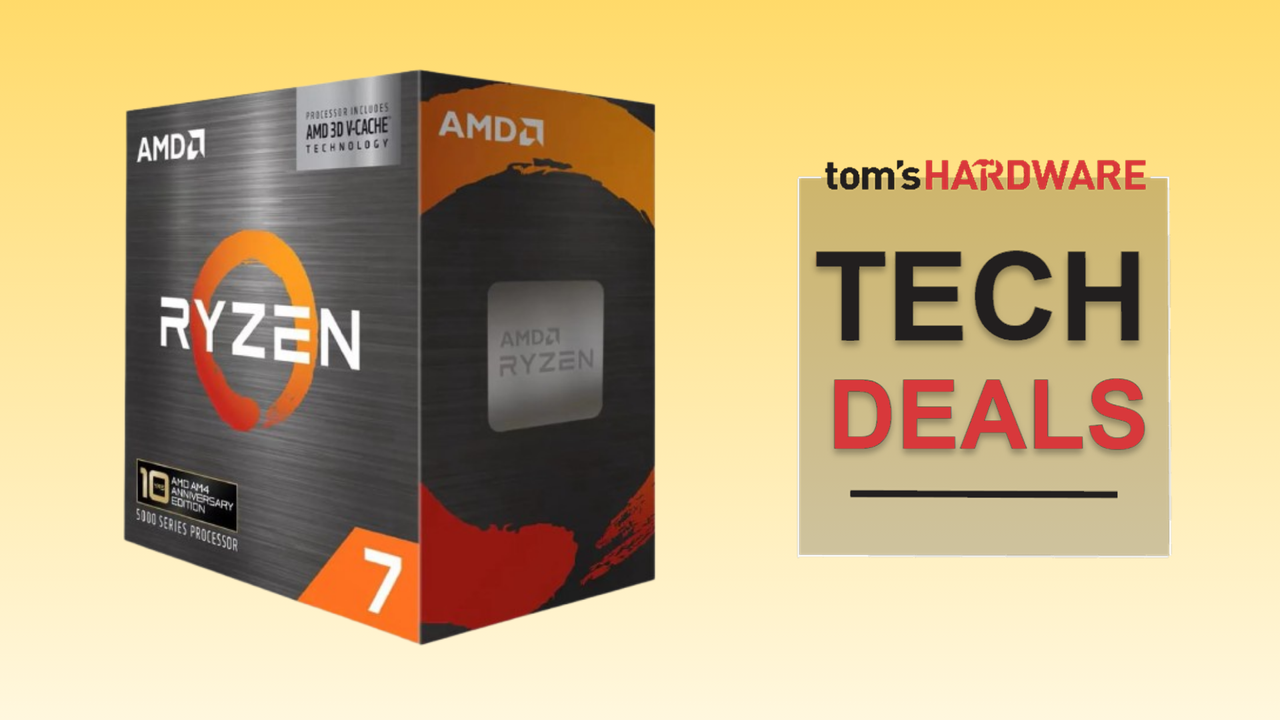
When the price tag for DDR5 RAM keeps climbing into the stratosphere, savvy builders are naturally looking for ways to keep their budgets intact. There is a compelling argument to be made for revisiting a proven platform, and right now, AMD’s re-release of the Ryzen 7 5800X3D offers an incredibly attractive route back to AM4.
This isn’t just a nostalgic throwback; it’s a smart financial move. The 5800X3D brings top-tier gaming performance from an older DDR4 platform, and thanks to its massive 96MB L3 cache, it remains a formidable processor for demanding games. While newer chips offer raw power gains, the real advantage here is maximizing performance within a budget-friendly framework.
The pricing on this classic chip has become highly favorable. For example, the 10th Anniversary Edition of the Ryzen 7 5800X3D is currently available for a remarkable $349.99, and it comes bundled with a free MSI MAG Coreliquid cooler valued at nearly $70.
This deal dramatically cuts the effective cost of the processor, making it an irresistible choice for those seeking excellent gaming performance without breaking the bank. It positions the 5800X3D as a potent alternative when considering the escalating costs associated with newer memory standards.
For those looking to assemble a complete system, even more attractive options are available. One package offers a comprehensive bundle, including the 5800X3D processor, a compatible Asus TUF Gaming motherboard, and 16GB of DDR4 RAM for just $529.99.
This bundled approach sweetens the deal further. The package also includes the complimentary MSI MAG Coreliquid cooler, resulting in significant savings compared to purchasing each component individually. This setup provides a robust foundation for an AM4 build that delivers fantastic gaming results while staying well under market expectations.
Ultimately, opting for this combination allows gamers to inject new life into older systems with cutting-edge performance possibilities, all while navigating the current landscape of high component costs. It proves that smart hardware choices can lead to highly rewarding and economical builds.
Credit
