Server CPU deals drive 40% price jump for Intel AMD
The AI Arms Race: How Intel and AMD Are Navigating China’s Server CPU Surge
As the world races toward an era dominated by artificial intelligence, the underlying infrastructure—specifically server processors—is experiencing unprecedented demand. This hunger for computational power has created a fascinating, high-stakes story involving global chip giants Intel and AMD, their customers in China, and the brutal reality of volatile supply chains.
The situation is further complicated by escalating market pressures. Prices for certain server CPUs in China have already climbed more than 40% since the start of the year and continue to rise by over 10% month-on-month in some sectors. Despite this inflationary environment, Intel and AMD are attempting to stabilize the flow of these critical components through new long-term agreements.
These commitments focus primarily on securing purchase volumes for data center processors, often spanning a year or more without locking in fixed prices. While these deals provide customers with a vital placement in the queue, they leave cloud providers and internet companies navigating a market already destabilized by soaring component costs.
The demand surge is fueled largely by Agentic AI workloads, where complex inference and orchestration tasks are driving server CPU-to-GPU ratios back toward parity. This systemic shift places immense pressure on the semiconductor supply chain, prompting major players to rethink their strategies.
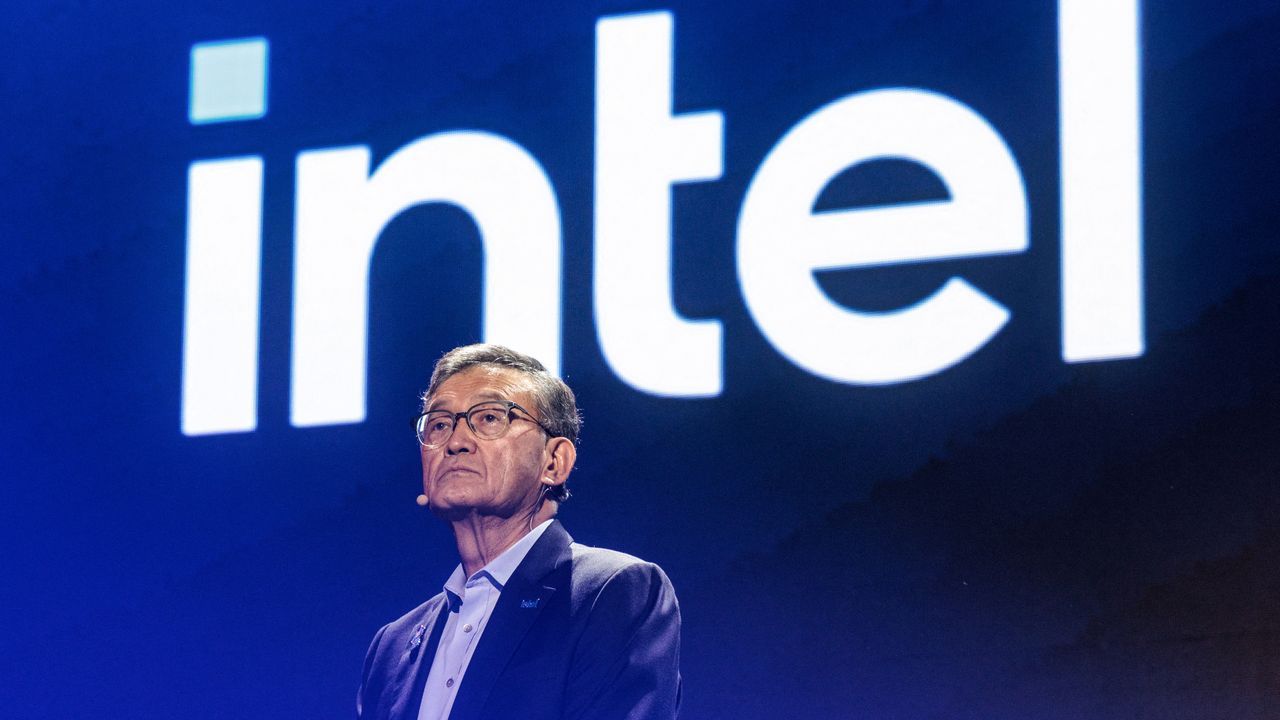
Intel has proactively pursued these long-term deals, citing an environment where demand is consistently running ahead of supply. CEO Lip-Bu Tan pointed to multi-year contracts with partners like Google as evidence that they are locking in future revenue streams while managing the intense global competition.
The impact of this struggle on logistics has been significant. Earlier shortages for Intel and AMD server CPUs led to lead times stretching from mere weeks to eight to twelve weeks, sometimes longer, causing major delays for orders.
For those seeking supply stability in the data center, both chip manufacturers and memory makers have struck similar long-term deals with hyperscalers. However, these agreements often trade volume commitments for less immediate pricing visibility—customers secure their place but must still contend with rapidly fluctuating market rates.
Crucially, this shift also has geopolitical implications. While Chinese buyers remain restricted from accessing the most advanced AI accelerators under U.S. export controls, server CPUs like Intel’s Xeon and AMD’s EPYC do not face these same restrictions. This makes them one of the few U.S.-made infrastructure components China can still purchase freely, assuming the supply chain can deliver.
As Intel prepares to release its second-quarter results, the market will be keenly watching not just the financial performance, but the durability and effectiveness of these long-term commitments in navigating a world defined by technological leaps and relentless supply constraints.
Credit