Show your game fear of cloning proves something’s broken
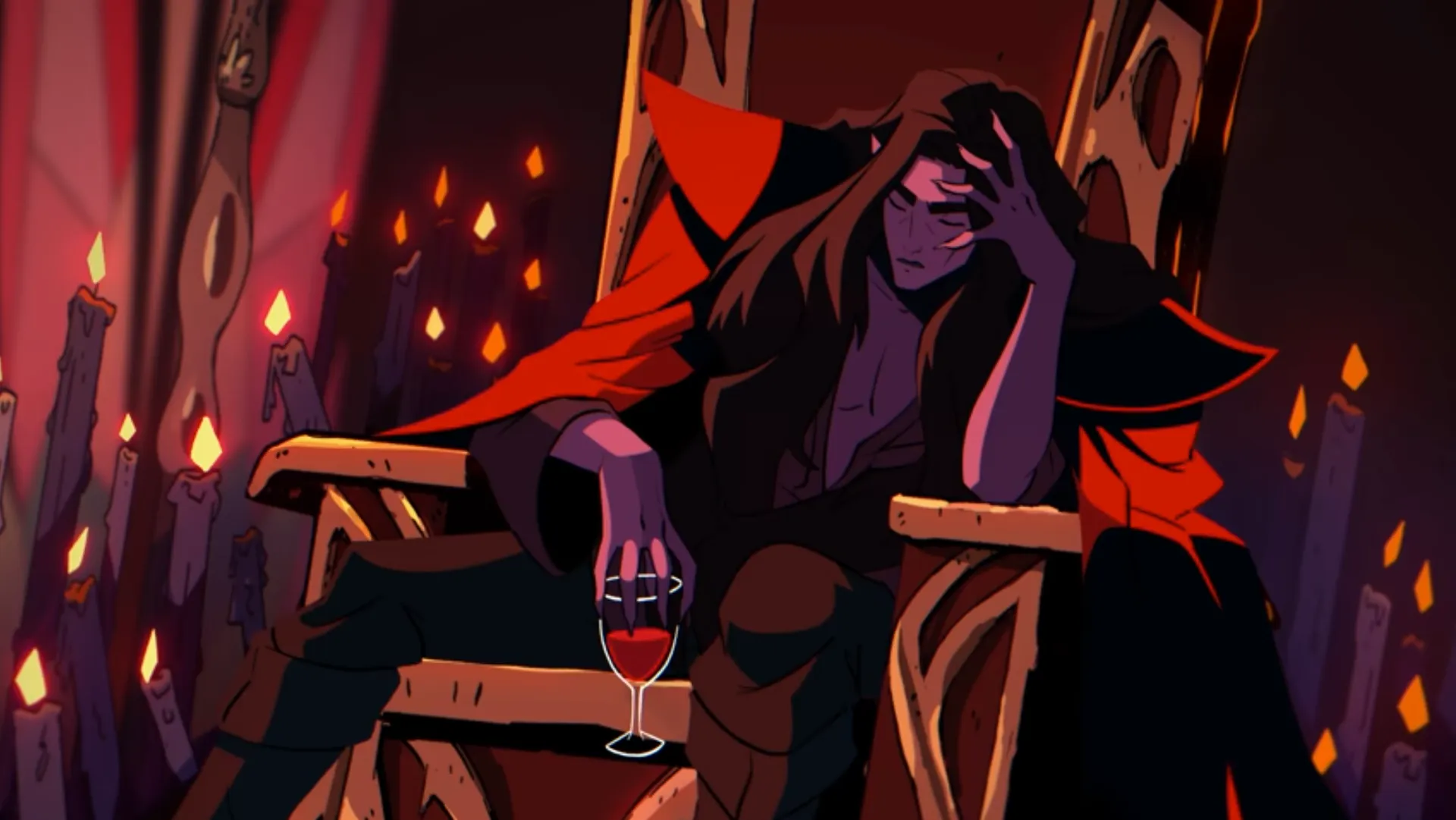
The quest to create and share independent games is facing an unprecedented existential threat. For some developers, the latest advancements in artificial intelligence are not just a technological shift; they are a signal that the creative landscape itself is being rapidly flooded by opportunistic clones.
Digital Sun Games, the creators of the upcoming “tower defensevania” roguelike ReVamp, recently made a stark decision: they have canceled plans for a wide public playtest of the game. The reason behind this retreat is chillingly simple—the fear that their intellectual property will be instantly stolen and turned into cheap imitations by rapidly deployed AI-led “vibe coders.”
This anxiety stems from the deployment of powerful AI models, such as Anthropic’s Claude Opus 5.5, which has fueled a wave of hastily developed clones and decompiles flooding platforms like Steam and Roblox. The worry is that developers are no longer just competing with other studios; they are competing with automated systems capable of spitting out “worthless vibe-coded slop” in days, potentially launching competing products long before the original is ready.
For a studio like Digital Sun Games, which has spent a decade honing their craft, the prospect of code pilfering and rapid replication is a deeply unsettling reality. While clones have always existed, the speed and ease with which modern tools allow for reverse engineering and recompiling code have made the risk of exposure feel entirely new and terrifying.
The decision to scale back the playtest from tens of thousands of participants down to a small, private group of users was less about convenience and more about control. When games are shared publicly, developers lose the ability to vet who is testing, exposing them to the risk of accounts being created purely for the purpose of reverse-engineering the build.
The developers noted that moving to a closed environment, like a Discord server, allows them to implement safeguards. They can require Non-Disclosure Agreements (NDAs), monitor user activity, and provide live feedback directly, ensuring a safer testing environment for their work.
The core dilemma facing the indie community is whether platforms and storefronts can provide adequate protection for original work. Developers argue that if they cannot share their games safely, the entire ecosystem suffers. This concern extends beyond just the studio; it affects aspiring developers who shouldn’t have to build games while constantly fearing instant replication.
While the studio remains committed to public testing, they acknowledge that doing so carries risks. They are forced to wait until closer to launch, meaning they sacrifice the ability to gather feedback at scale and generate buzz from content creators. This trade-off highlights a larger systemic failure: the lack of real protections against AI-driven intellectual property theft.
Ultimately, this situation forces a critical conversation about the future of game development. Unless storefronts and platforms implement robust measures—such as tools to vet playtester accounts based on history or playtime—developers will inevitably retreat. We must establish safeguards now if we want to ensure that creativity continues to thrive in the digital age.
Buy on Amazon
Credit
