Shutdowns and heat force Microsoft to block Windows update for Dell PCs
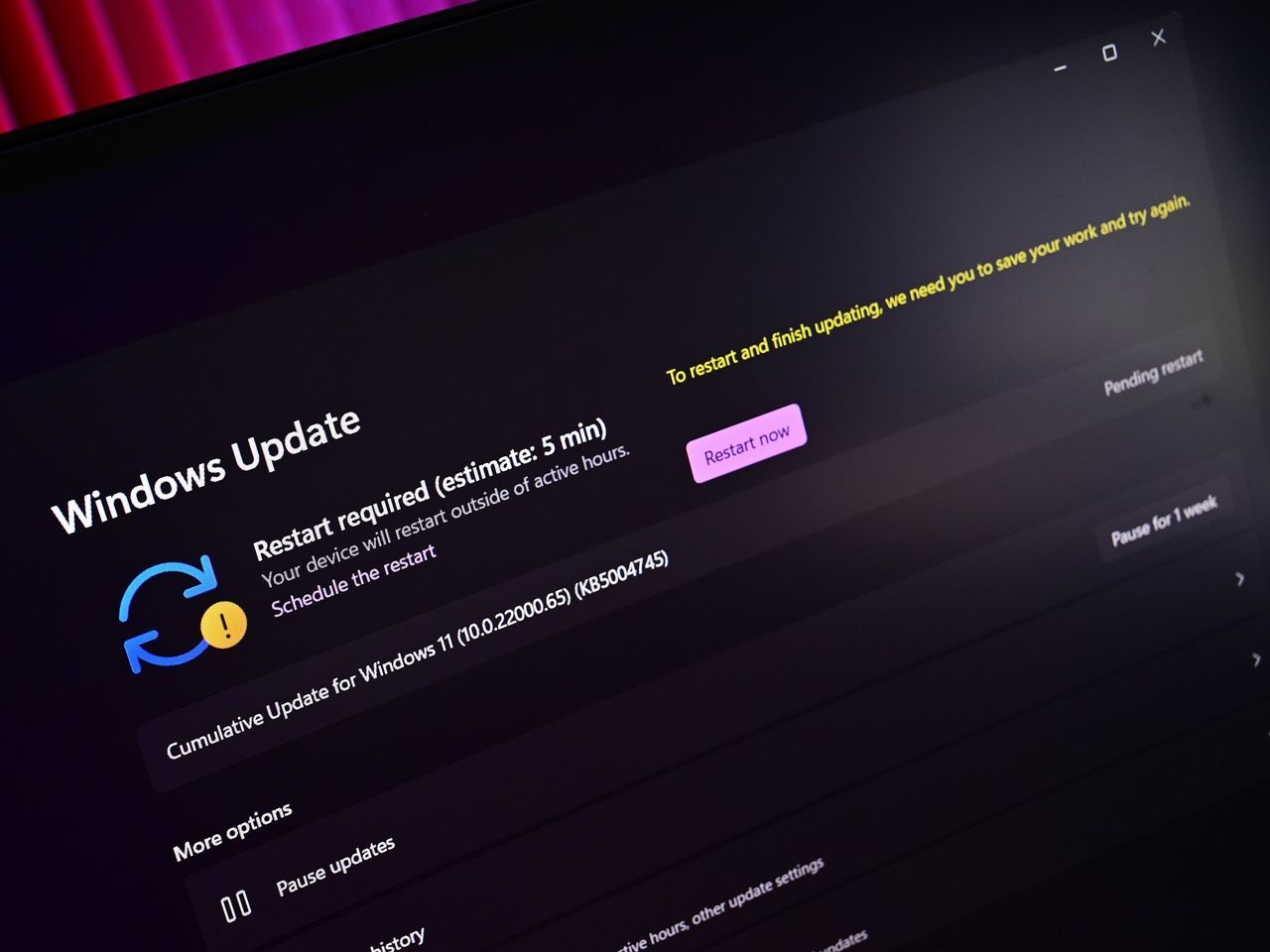
When software updates are meant to bring smooth improvements, sometimes they introduce a whole new headache. Recently, Microsoft stepped in to halt the rollout of the latest Windows 11 July Patch Tuesday update (KB5101650) for some Dell PCs, pausing the cycle after hardware manufacturers reported significant stability concerns.
The trouble started with Dell devices experiencing frustrating issues—things like unexpected shutdowns, overheating, and overall poor performance—which were traced back to a preceding preview update. While the main patch itself contained quality-of-life fixes, the underlying problem lay deeper within the system architecture.
For those affected, the symptoms were clear: a yellow exclamation point appeared in Device Manager next to the Intel Innovation Platform Framework Processor Participant driver. This was a flashing sign that something was deeply amiss with how the hardware and operating system were communicating.
The investigation quickly pinpointed the culprit: an incompatibility between the Intel driver and Microsoft‘s new USB-C Connection Manager interface. Essentially, a change in the software interface clashed with how the specific Intel driver was designed to operate, leading to instability.
This bug wasn’t limited to just one update. It affected both the July 14th patch (KB5101650) and an earlier optional preview update released on June 23rd, impacting users running either Windows 11 version 24H2 or 25H2.
The immediate advice for affected users was straightforward: rolling back to the previous stable update. While this offered a temporary fix, it highlighted the complex ripple effect that can occur when large-scale system changes are introduced without exhaustive testing across all hardware configurations.
Fortunately, Microsoft quickly acknowledged the problem once it surfaced, demonstrating an awareness that allowed for swift action. They are currently working diligently on a resolution to patch the vulnerability and restore stability across the impacted systems.
Ultimately, this situation serves as a reminder that even major software releases require meticulous attention to detail. In the world of high-performance computing and intricate driver management, maintaining perfect harmony between hardware and software is just as important as delivering new features.
Buy on Amazon
Credit
