SK hynix chairman on price limits for memory crisis
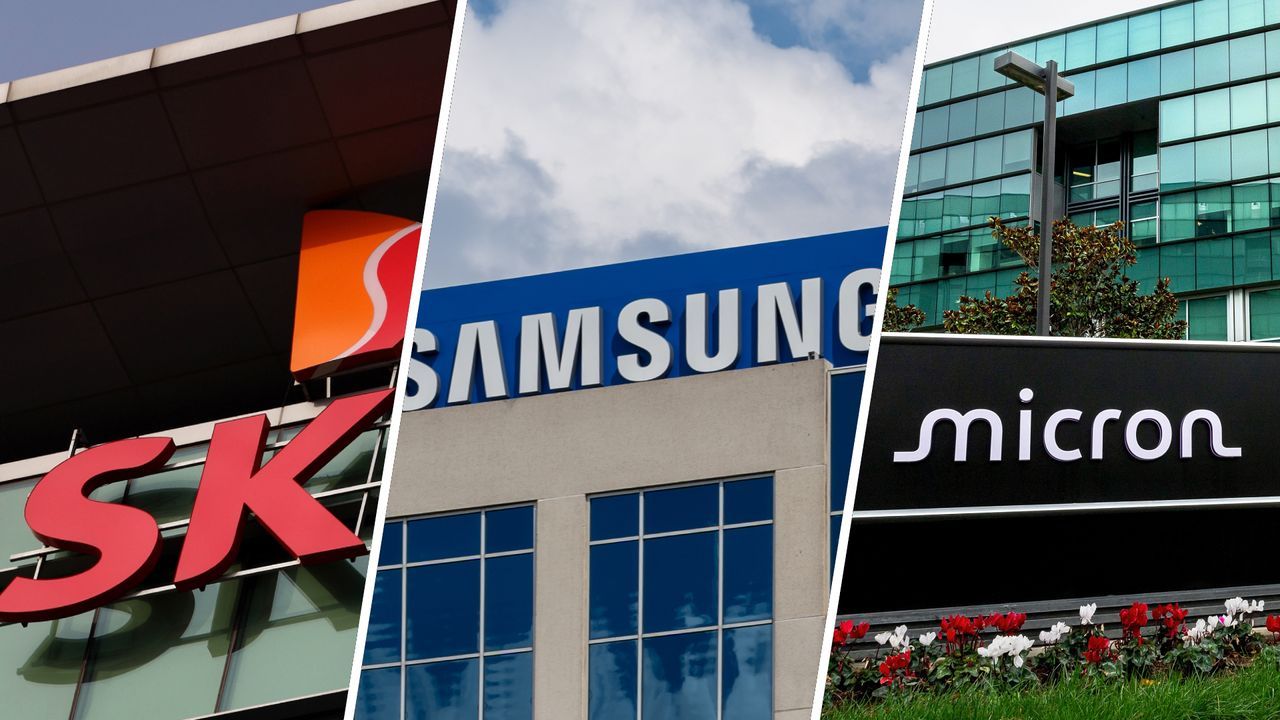
The global semiconductor market is currently grappling with some uncomfortable truths, particularly regarding pricing and supply. While massive investments in artificial intelligence continue to drive demand, the pressure on end-users—those buying PCs and smartphones—is mounting.
In response to these escalating costs, key industry leaders are taking a hard look at the economic landscape. SK hynix group chairman Chey Tae-won recently addressed this reality, acknowledging that memory prices are “abnormally high” and stressing that there are inherent limits to how much prices can be raised.
The crux of the issue lies in the difference between the massive AI players and the general consumer base. While some companies involved in AI can absorb increased costs through investment, PC and smartphone manufacturers simply cannot ignore semiconductor price hikes. They are forced to pass these costs directly onto individuals, leading to what some observers are calling “chipflation.”
Chey Tae-won argued that for consumers, who rely on multi-million dollar loans for hardware purchases, there are firm limits to how much prices can be escalated. This reality puts intense pressure on the supply chain, suggesting that simply raising chip prices will not solve the affordability crisis.
Therefore, the focus shifts upstream: increasing supply is seen as the necessary mechanism to protect the entire market and ensure sustainability. It is not just about mitigating cost increases for specific large entities; it is about protecting the health of South Korea’s entire semiconductor industry.
The chairman emphasized that if factories are not expanded and prices continue their upward trajectory, the market risks shrinking and new competitors will inevitably flood the space. This perspective signals a unified call for increased production capacity as a critical defensive measure against market erosion.
Looking ahead, the outlook for supply remains a point of concern. Predictions suggest that demand is likely to remain higher than supply well into the future, even beyond 2030, leading some analysts to forecast that the memory supply crisis may persist longer than previously feared. This dynamic suggests that robust expansion in manufacturing is more essential than ever to maintain market stability.
Buy on Amazon
Credit
