
Steam Boy a Steam Deck in a Game Boy shell
Shrinking the Giant: How One Mod Is Reimagining the Handheld Gaming PC
The Steam Deck has established itself as the archetype of the handheld gaming PC, a powerful machine that bridges desktop performance with portable convenience. Yet, for some enthusiasts, even this highly capable device feels a little too large in the hand. This desire to shrink the experience led to an ambitious custom project: the Steam Boy.
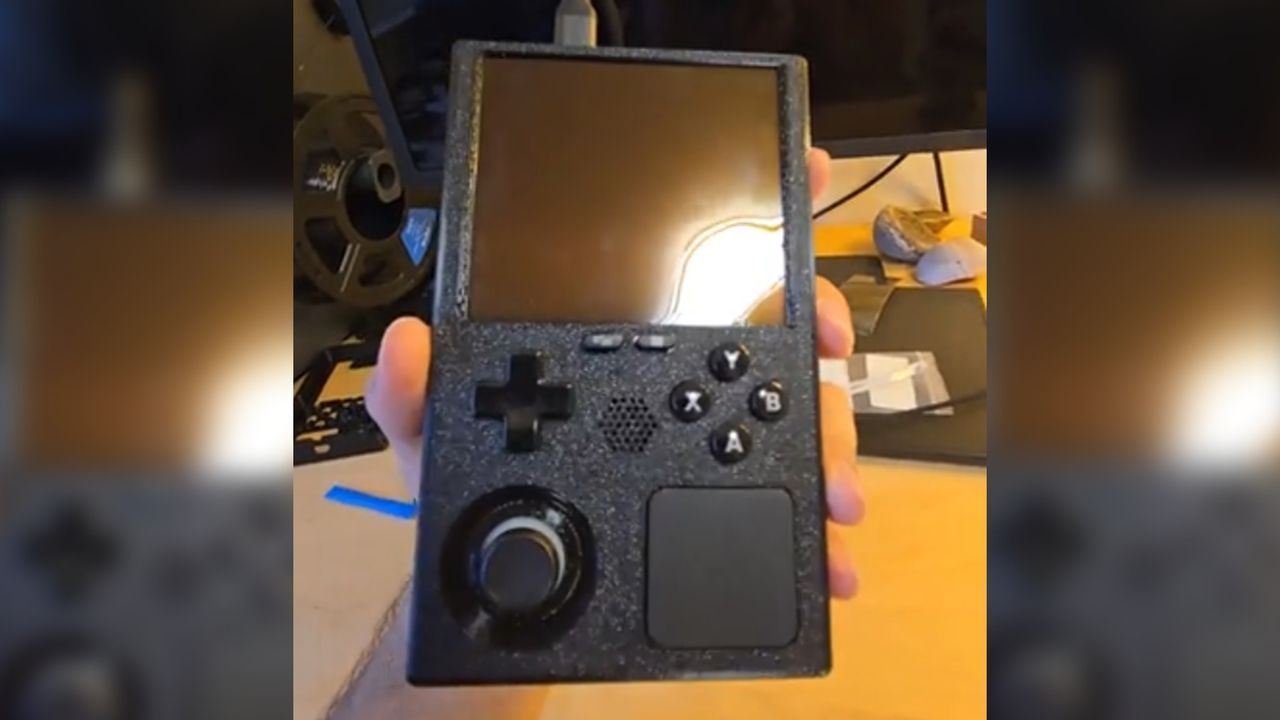
Created by Reddit user PhyFawkes, the Steam Boy is a radical re-imagining of the original Deck, driven by a simple, yet profound question: what if a handheld gaming PC could be as compact as a Game Boy?
The vision behind the project involves squeezing the power of the Steam Deck into a much smaller footprint. To achieve this, the designer opted for creative engineering, utilizing a 3D-printed PETG shell. This custom chassis manages to house not only the miniature motherboard (complete with its APU heatsink and fans) but also the substantial battery pack, demonstrating clever spatial management.
The transformation isn’t just about size; it’s about internal design. PhyFawkes integrated the Deck’s internal speakers directly into the frame, alongside a custom audio board and carefully placed ribbon cables. This thoughtful placement maximizes space while ensuring the new device maintains functional efficiency.
Internally, the layout is stacked and efficient, minimizing wasted space. While it retains many of the original controls—a D-pad, four face buttons, two system buttons, a thumbstick, and a touchpad—the design prioritizes portability over feature bloat. The result is a compact package that, despite being “chonkier” than its predecessor due to the integrated hardware, offers a compelling alternative.
Despite the impressive miniaturization, the project still has work to do before it becomes a fully realized experience. A key objective is fitting in the desired display. The plan involves incorporating a large 1200 x 1080 90Hz AMOLED panel into the design. This ambitious goal will require further engineering, including developing an adapter board between the motherboard and the new screen, along with necessary BIOS modifications.
Further progress is also being made on refining the control scheme, with attention paid to adding features like triggers. The Steam Boy project serves as a fascinating example of how passionate users are actively tearing apart existing hardware to push boundaries. Alongside this custom aesthetic adventure, the community is witnessing a broader trend of hardware modification, from complex water-cooling setups to integrating high-end GPUs into consumer machines.
Buy on Amazon
Credit

