Steam Deck sales cliff warning
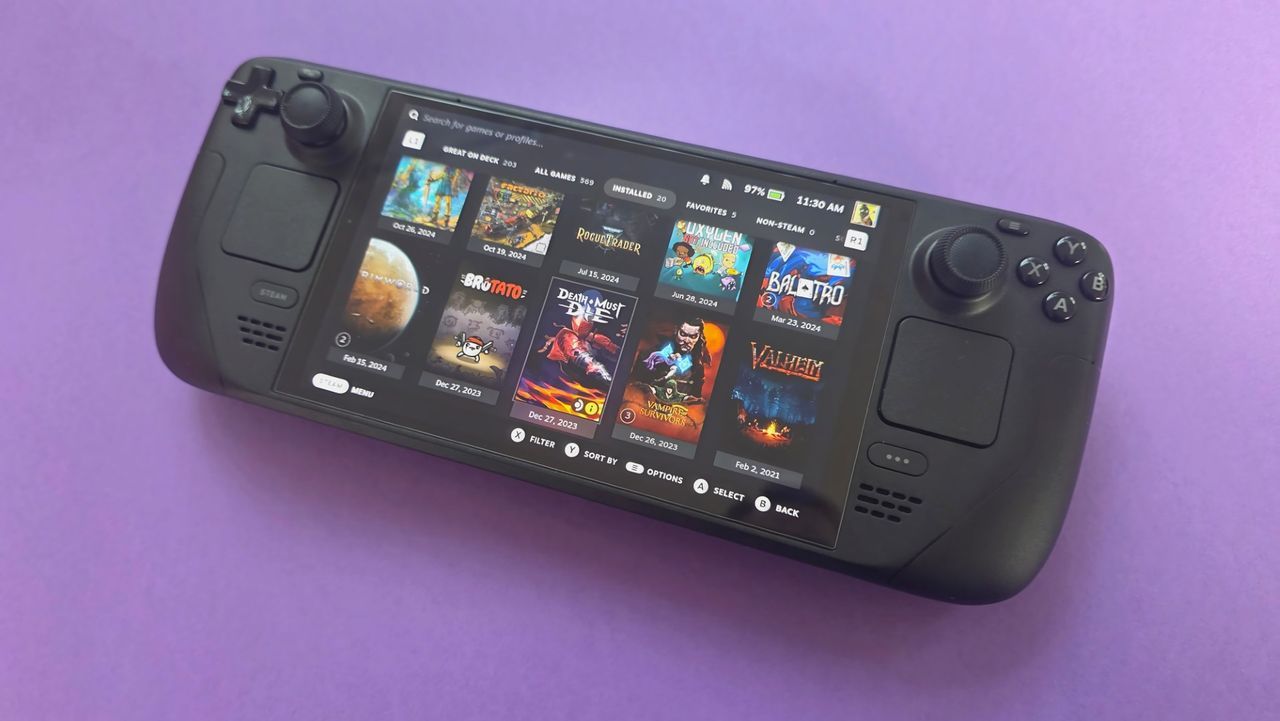
The once-revolutionary Steam Deck is currently facing a significant sales slowdown, prompting discussions about the lifecycle of handheld gaming PCs. While many defend their investment in the device, an examination of the numbers reveals a clear market reality: it’s time to appreciate the history and pivot toward smarter alternatives.
The reason for the cooling sales isn’t a lack of interest; it’s a convergence of factors related to age, performance, and pricing. Nearly four and a half years into its journey, the Steam Deck has yet to receive major performance upgrades despite receiving newer versions of its APU and an OLED display. Compounding this issue is the rising cost of components, leading to what some are calling the AI-induced RAMpocalypse, making the device more expensive than it was at launch.
This trend isn’t unique to the Steam Deck. It mirrors the experience with major console rivals like the PS5 and Xbox Series X|S, which also see their prices rise toward the end of their product cycles. The overarching lesson is that newer technology demands a new price tag, making the older generation less appealing as a primary purchase.
The pricing structure reflects this reality. The cheapest available model now costs $789 or £649—a substantial jump from its initial launch prices. Even with upgrades like the OLED display and 512GB base storage, the cost is significantly higher than when it first hit the market.
For a device that doesn’t offer game performance advantages over newer systems, these price hikes simply don’t make sense to consumers who are looking for value. A user who acquired a 256GB LCD model in 2022 paid considerably less than today’s market rate for comparable utility.
Valve’s decision to open up SteamOS to other handheld devices demonstrated the potential of its operating system, proving that the concept was sound. However, market forces now dictate a shift toward devices that offer better performance per dollar spent.
This is where competitors step in as savvy alternatives. The Xbox Ally and its more powerful iteration, the Ally X, are emerging as much smarter purchases for the current handheld gaming PC seeker. The base Xbox Ally is priced attractively at $599 and offers superior components, including a better APU and a higher refresh rate display.
For those looking to maximize performance without breaking the bank, the Ally X provides even greater power while remaining relatively affordable. It offers enhanced specifications compared to some Steam Deck options for only a marginal increase in cost, positioning it as a genuinely compelling choice today.
Ultimately, while the Steam Deck played a pivotal role in establishing the handheld gaming PC category, the market has evolved. The smarter move now is to recognize that value lies in current performance and pricing. If you are seeking an affordable and powerful handheld gaming PC right now, the Xbox Ally represents a much more sensible entry point.
Buy on Amazon
Credit
