Studio breaks free from Xbox for independence
The gaming industry, once a realm of boundless creativity and promise, has recently been rocked by a massive corporate restructuring that has sent ripples of uncertainty across the landscape. Microsoft’s recent sweeping changes to Xbox Game Studios have triggered significant upheaval, impacting numerous beloved studios and forcing creative teams to make difficult decisions about their future.
The scale of the impact is staggering. The fallout from this period included substantial layoffs—affecting thousands of employees across various Xbox gaming divisions like id Software, Arkane, and ZeniMax—and a ripple effect where several talented developers chose independence rather than remaining tethered to the large corporation. Studios like Double Fine Productions and Compulsion Games have successfully carved out new paths, demonstrating that creative talent can find freedom outside monolithic structures.
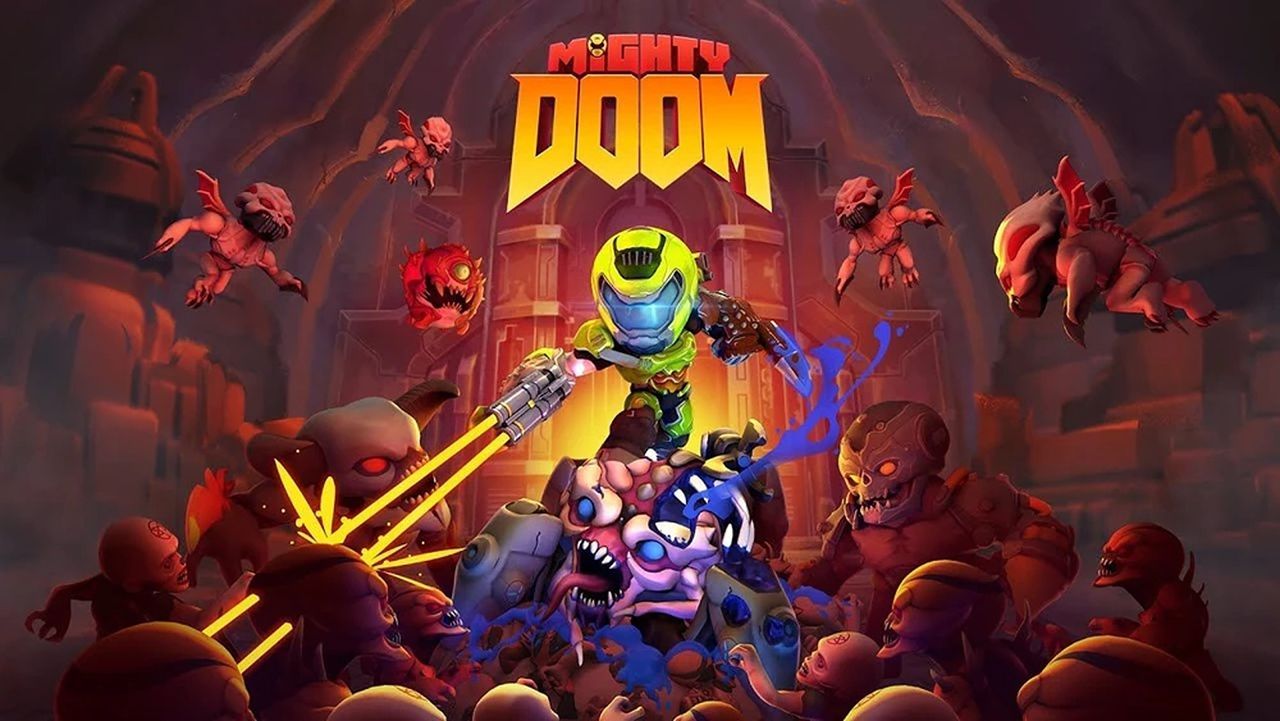
Amidst this wave of corporate realignment, a fascinating case study emerges: Alpha Dog Games. This studio’s journey perfectly illustrates the tension between corporate ownership and independent ambition. Formerly a mobile game developer known for titles like Wraithborne and MonstroCity: Rampage, Alpha Dog Games was acquired by Bethesda Softworks in 2019. After Microsoft’s acquisition of Bethesda in 2021, the studio faced further contraction, eventually being shut down by Microsoft alongside other related teams in 2024.
However, opportunity knocked on the door of independence. Following a period of internal recovery and the regaining of control by its founders in 2025, Alpha Dog Games made a bold declaration: they broke free from Microsoft. The studio announced its status as an independently owned entity, signaling a commitment to creative autonomy.
This move represents more than just a corporate split; it’s a potent reminder of the power dynamics at play in the industry. When major acquisitions occur, the fate of smaller, specialized studios often hinges on the terms of those deals. The successful secession of Alpha Dog Games suggests a crucial message: that independence is not just an idealistic dream but a tangible possibility for creators navigating the complex waters of corporate ownership.
For established names like Arkane Studios, whose future remains closely watched amidst ongoing development projects, this story serves as a compelling thought experiment. It raises the question whether other major Xbox Game Studios can successfully negotiate favorable terms during these transitions to secure their autonomy and creative runway.
Ultimately, the trajectory of independent studios like Alpha Dog Games offers a glimmer of hope for the wider community: that creativity, when empowered, can thrive outside the constraints of corporate oversight. It suggests that the next chapter in gaming development may be defined less by corporate mandates and more by the independence of its creators.
Buy on Amazon
Credit
