Taiwan detains Nvidia employee for smuggling AI chips to China
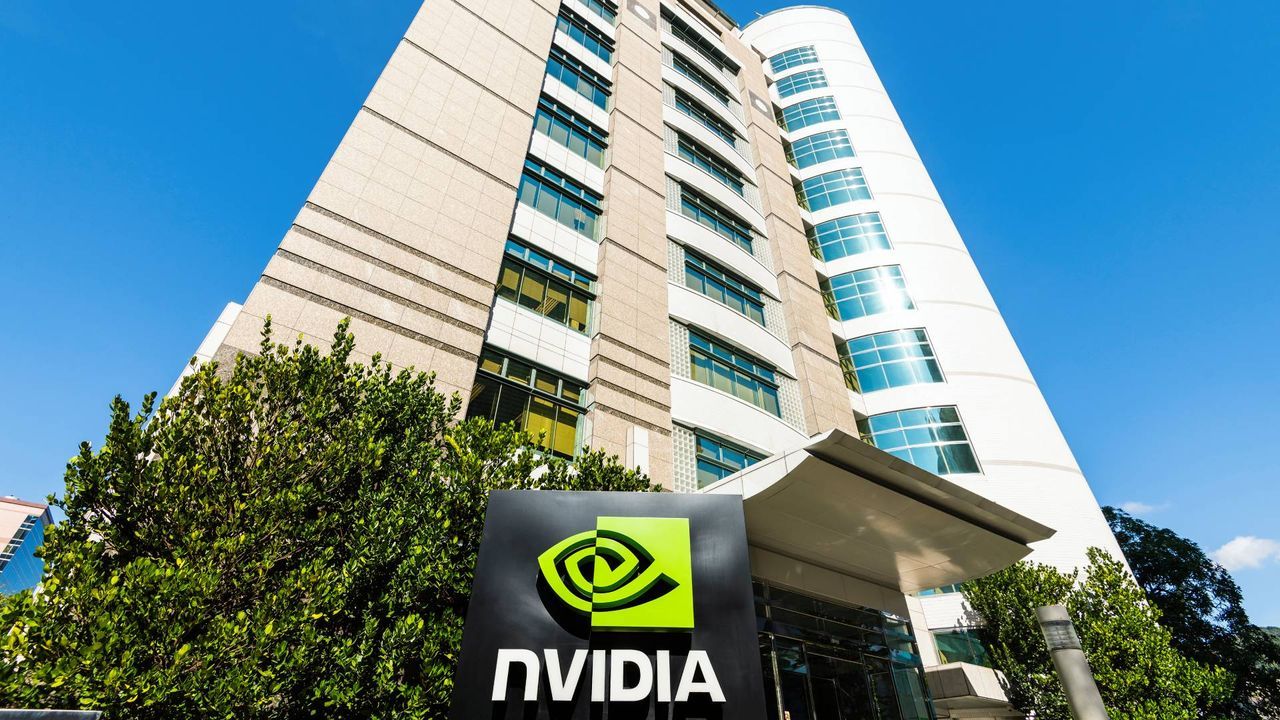
The high-stakes world of artificial intelligence hardware is increasingly colliding with geopolitical tensions, as an investigation into alleged chip smuggling has caught the attention of major technology firms and international authorities.
A recent development points to this friction: an Nvidia employee has been detained in Taiwan amid probes concerning the alleged movement of advanced AI chips into China. This detention is part of a larger pattern of scrutiny that highlights the complex and often fraught supply chains underpinning the global AI revolution.
Investigators recently focused on the falsification of documents related to exporting approximately 50 Super Micro servers containing Nvidia AI chips to Chinese shores. Taiwanese prosecutors allege that these defendants had previously smuggled the chips into China via Japan, adding layers of complexity to the investigation.
This incident is not an isolated event. It is one of at least eight similar probes spanning four different jurisdictions, underscoring how interwoven the global movement of semiconductor technology has become under intense international scrutiny.
When faced with such allegations, Nvidia issued a firm statement emphasizing its commitment to compliance. An official spokesperson declared that smuggling is a nonstarter and stressed that the company primarily sells its products to established partners who ensure all sales adhere to US export control rules.
The statement further noted that even small shipments are subject to thorough review globally, confirming that any diverted products would lack the essential service, support, or updates necessary for advanced AI systems.
This situation is set against a backdrop of ongoing global competition over technology and trade policies. While the US government has sought to restrict the flow of AI chips into China since 2022, the response from industry leaders remains nuanced. Nvidia CEO Jensen Huang has been vocal in advocating for the global diffusion of American AI technology, urging acceleration rather than restriction.
Meanwhile, Taiwan—the undisputed home of the world’s largest semiconductor manufacturer, TSMC—has often sought to protect its technological leadership. Although Taiwan does not currently have explicit export restrictions on AI chips, it is keenly aware of the risks associated with cross-border flows and has been actively pursuing measures to safeguard its position in the technological arena.
The narrative surrounding these chip transfers reveals a constant balancing act: between global market demands, national security concerns, and the delicate intricacies of international trade law. As AI continues to drive innovation, the movement of the hardware powering this revolution will remain a focal point for global policy and legal action.
Buy on Amazon
Credit
