Teacher arrested for clapping over AI data center project approval
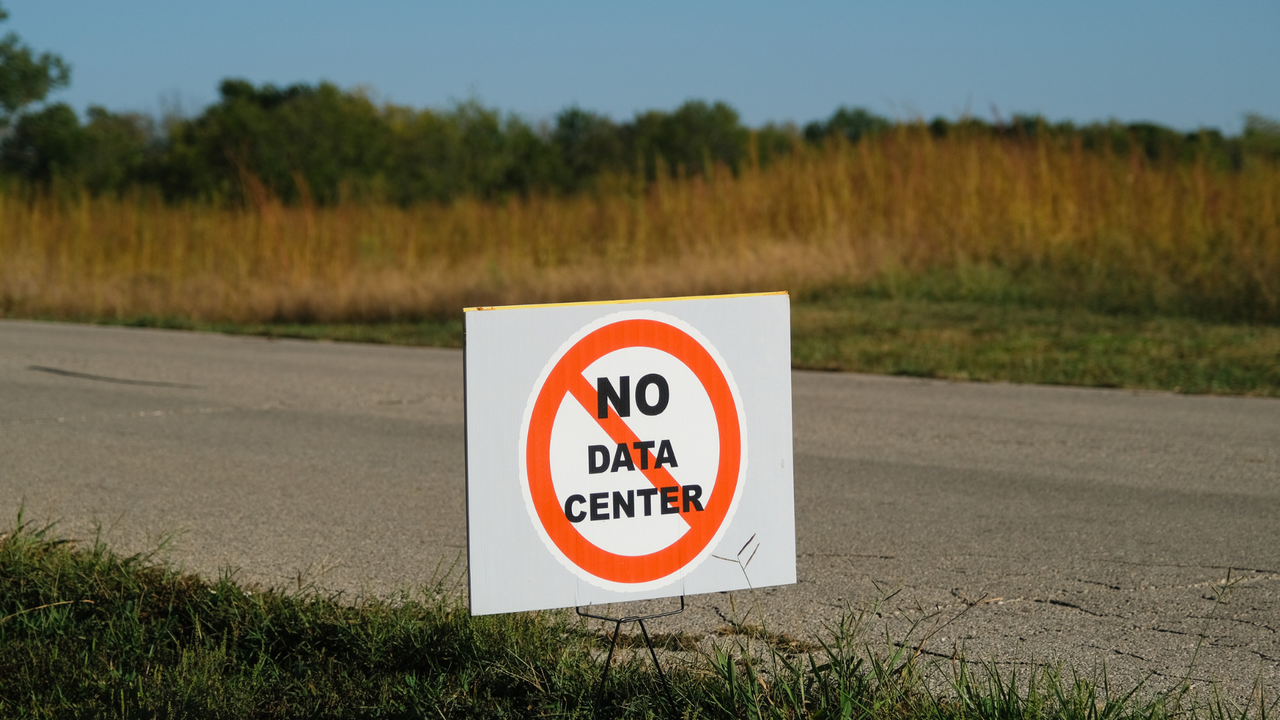
In Emporia, Kansas, a local community meeting descended into a tense confrontation that brought a teacher to jail—not for protesting policy, but for simply applauding an opposing viewpoint. The incident highlights the increasingly polarized battle between massive infrastructure development and the concerns of local residents about their environment and public resources.
Police arrested 37-year-old Lux Claridge following his applause during a community meeting regarding a proposed zoning change to accommodate a planned data center. Claridge was charged with disorderly conduct and interference with law enforcement, an action that underscores the friction between citizens exercising their right to speak and authorities attempting to maintain decorum.
The tension stemmed from the fundamental disagreement over whether large-scale projects like the Flint Hills Digital Campus are worth the cost to the community. While the local government moved forward with the necessary permitting, critics warned that the influx of energy-intensive operations could strain the local power supply and negatively impact residents’ water quality.
This conflict is not unique to Emporia. It reflects a nationwide debate where massive AI data center buildouts are squeezing energy supplies and raising costs for everyone. The concerns over environmental cost are palpable, as some of these facilities have been linked to broader issues, including accusations that large technology companies muddy water supplies in communities.
The fight for accountability surrounding these mega-projects is intensifying. Activists and local residents are increasingly pushing back against what they view as unaccountable buildouts, staging protests across the country. This trend involves legal and public challenges aimed at ensuring that technological progress does not come at the expense of community well-being.
The pressure on policymakers to address these issues is evident through policy shifts. In response to growing opposition, jurisdictions like Seattle and New York State have enacted moratoriums, giving them time to study the community impact of these infrastructure projects before development proceeds.
The debate extends into the realm of corporate responsibility and energy costs. President Donald Trump’s “ratepayer protection pledge” aimed to force AI hyperscalers to bear the cost of electricity. While this promise has seen widespread participation, critics note that it lacks direct legal or regulatory teeth against powerful tech entities.
Local precedents show how community resistance can shape policy. For instance, Oregon enacted a law forcing electricity consumers using more than 20 megawatts to cover their fair share, leading power generators to increase data center bills by 30% while cutting residential costs.
Lux Claridge, currently out on bail, remains defiant about his actions. He stated that the arrest was an inconvenience but did not deter him from speaking out or clapping, emphasizing the ongoing personal choice amidst a broader policy struggle for public attention and infrastructure fairness.
Buy on Amazon
Credit