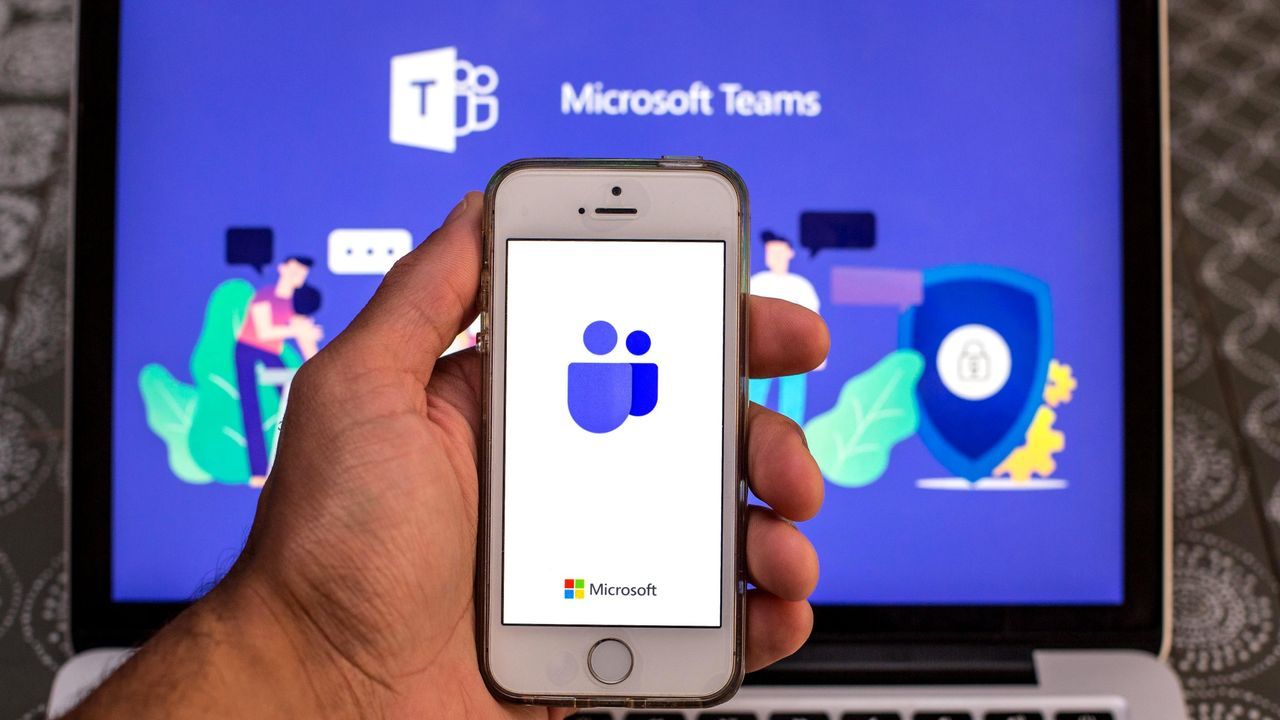
For many users, managing multiple meetings often means juggling windows, seeking out quick actions, and trying to stay productive while multitasking. Recently, Microsoft made an effort to streamline this experience within Microsoft Teams by testing two minimized views designed to provide quick access to key meeting functions.
The goal of these innovations was straightforward: when a user minimized an active meeting window, Teams would present a minimized interface offering shortcuts for actions like raising a hand or sharing reactions. Two concepts were explored: the Expanded view, which offered a glance at up to four participant videos, and the Compact view, focused purely on quick settings and essential controls.
These features were slated to begin rolling out to users as early as May 2026. However, development of these minimized views was paused before they could reach general availability. Microsoft recently confirmed this decision, communicating that the release has been deferred while the team works through necessary adjustments.
The decision to pause development brings up a familiar theme in software evolution: features don’t always follow a straight line from concept to launch. While these minimized views were clearly intended to improve multitasking efficiency, they entered a hold, leaving users waiting for their arrival.
Why the delay? While Microsoft has a history of regular updates and shifting priorities, the specific reason for pausing the development of these views remains undisclosed. It is possible that the team needed additional time to resolve technical considerations or refine the user experience before pushing changes live.
The feature pause occurs within a broader context of how Microsoft handles its platform updates. Teams is constantly evolving, and sometimes major new features take a similar journey, encountering necessary adjustments or delays before reaching the public eye.
This sequence reminds us that even seemingly beneficial additions to a software platform are subject to change. We might see these minimized views eventually arrive with altered controls, updated aesthetics, or in a slightly different configuration down the road.
Ultimately, for now, users must continue to navigate the current Teams interface, but the underlying goal remains clear: enhancing the ability of users to manage complex digital conversations more efficiently and smoothly.
Buy on Amazon
Credit: Windows Central
