The Dell monitor I still can’t beat after a decade of use
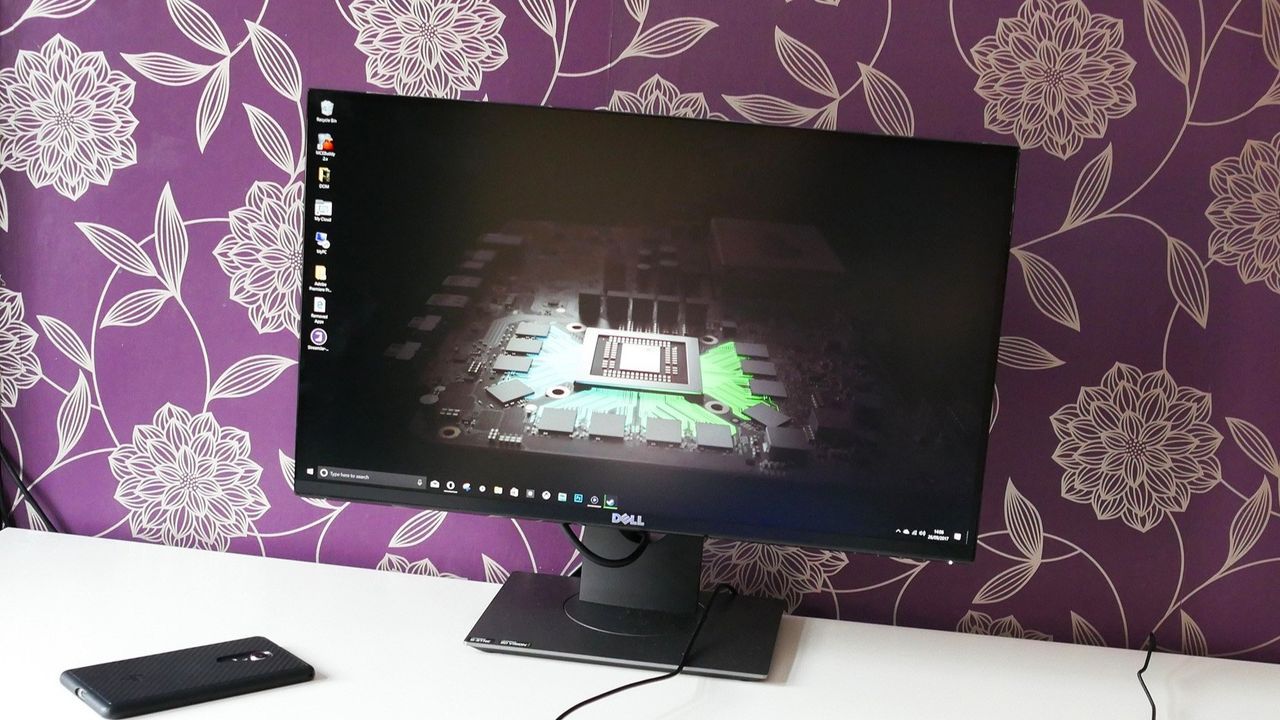
Technology is a relentless, accelerating force, constantly pushing us toward the next dazzling upgrade. Yet, amidst this perpetual cycle of innovation, there remains a steady anchor—a piece of hardware that has proven itself resilient against the tide of change.
For me, that steadfast companion is a monitor I purchased nearly a decade ago. It’s not just another screen; it’s been the primary display for both professional work and PC gaming for nine years now. Despite countless technological leaps in graphics processing and display technology, this specific piece of equipment remains firmly planted in my setup, untouched by the urge to constantly chase the newest specs.
When I first invested in it, the Dell S2417DG offered phenomenal value. It was a perfect blend of essential features: 1440p resolution, a high refresh rate of 144 Hz (overclockable to 165 Hz), and robust support for NVIDIA G-Sync. At its launch price, it represented an incredible deal compared to many alternatives.
The core specifications were designed for performance without excessive extravagance: a 1ms response time, 23.8 inches of QHD panel technology, and versatile connectivity options. This setup was more than sufficient when paired with the powerful hardware of the time, such as an NVIDIA GTX 1080 Ti.
Nine years later, running cutting-edge GPUs like the RTX 5090, I still find this monitor more than adequate for immersive gaming. While some new panels boast even higher resolutions or refresh rates, I have found that 1440p hits the sweet spot for competitive play, and chasing frame rates far beyond what is necessary doesn’t translate into a noticeable improvement in the experience.
The real test of this monitor’s longevity comes down to its limitations. While it excels in PC gaming, the HDMI 1.4 port is where the hardware shows its age. It is hard-capped at 60Hz, which means that modern consoles, like the Xbox Series X, struggle to utilize their full potential for high refresh rate gameplay through this connection.
This limitation is a perfect example of how evolution doesn’t always mean perfection. I found myself opting for a setup where frame rate matters more than resolution, and I happily switched the console to a display with a more current HDMI standard to ensure optimal performance. It proved that sometimes, prioritizing experience over sheer technical spec is the wiser choice.
Ultimately, this story is less about upgrading and more about contentment. There are many technically impressive monitors on the market—OLEDs, 4K displays, and faster refresh rates abound. But I have learned that in the world of gaming, especially competitive titles, there is a limit to where further investment yields meaningful returns. It works well enough.
Perhaps the greatest lesson is about sustainability: avoiding unnecessary upgrades not only saves money but also helps combat e-waste. This monitor has proven itself to be a reliable workhorse, a testament to the fact that sometimes, the best technology is simply the technology you already own.
Buy on Amazon
Credit