The highlight of my year 60 minutes in Warhammer 40k
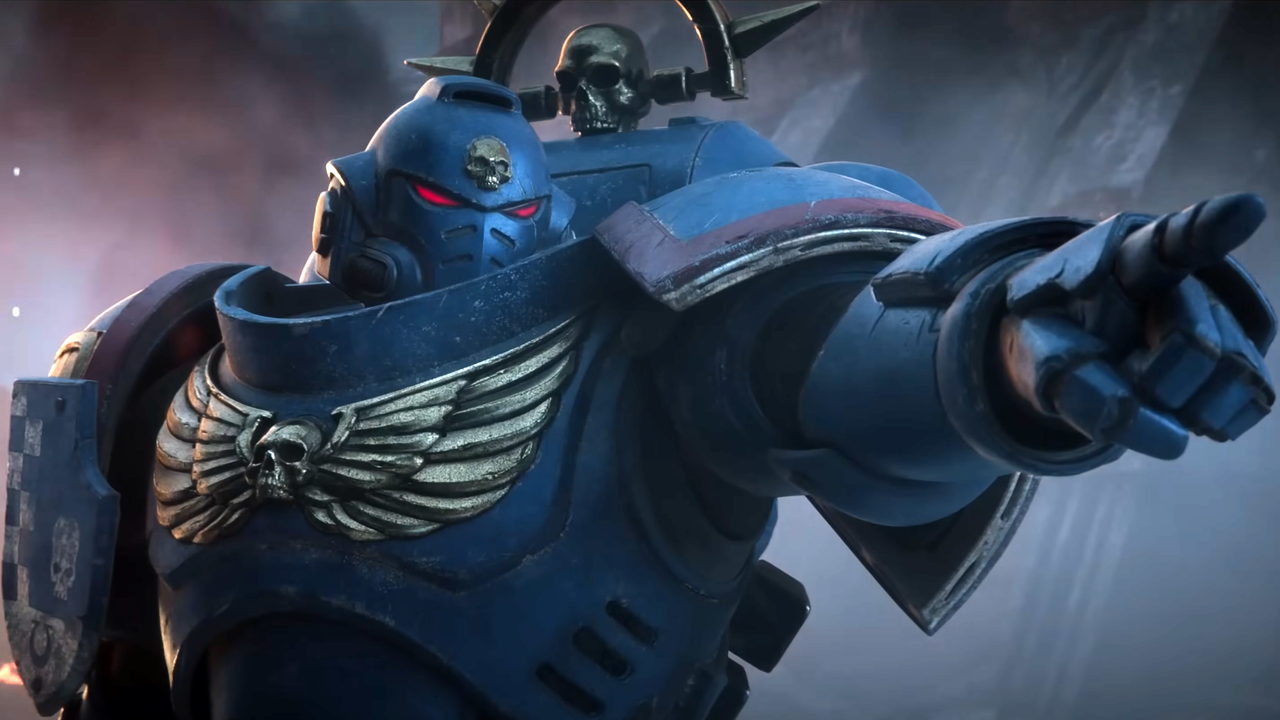
When Creative Assembly unveiled new information about Total War: Warhammer 40,000 at Gamescom this week, the reaction was immediate and electric. Forget just another strategy game; this revelation promised something truly epic, and spending time exploring the preview build confirmed that the hype is entirely warranted. It’s a game that doesn’t just offer massive battles, it offers a completely new way to think about tactical warfare.
The initial impression is a study in contrasts: the game embraces massive-scale skirmishes, yet it shines brightest in the micro-level decisions. While the scope of the conflict is staggering, the real magic lies in how small forces operate. Even starting with a handful of basic units, such as Intercessors, felt powerful and versatile enough to command the battlefield. This dynamic proves that Total War 40k manages to balance grand strategy with genuinely engaging tactical depth.
This tactical depth is powered by a robust system of unit versatility. Instead of simply relying on standard firepower, players are presented with a multitude of wargear options, allowing for nuanced tactical choices. Whether you are facing the relentless horde of Orks, you can deploy tools like automatic weapons for close-range slaughter. Conversely, when engaging foes like the Aeldari, long-range weaponry, such as the Stalker bolt rifle, becomes the defining tactical advantage. Every unit is given more than just a primary function, nudging players toward creative and unpredictable solutions.
The combat itself is a spectacle of controlled devastation. Watching the miniature chaos unfold—grenades tossed into enemy lines, followed by brutal melee scrambles—is simply stunning. When a small force manages to hold ground and inflict heavy damage, it transforms the dynamic of the fight. The sheer variety of weapons ensures that there are endless tactical opportunities to manipulate the battlefield, making every engagement a unique tactical puzzle.
Perhaps the most revolutionary aspect of the experience is the completely redefined cover system. This isn’t merely static cover; it is dynamic. As structures are destroyed and the battle progresses, the terrain itself shifts. A battlefield isn’t fixed; it constantly changes shape, with new craters and ruined positions appearing in the heat of battle. This dynamism demands constant adaptation, forcing players to think on the fly about where to position troops and how to exploit shifting environments.
This focus on kinetic warfare means that positioning is exponentially more critical than ever. Players must constantly assess how to use the changing landscape—whether by flanking enemies behind rubble, sacrificing units for a distraction, or using heavy weaponry to breach fortifications. This shift turns the battlefield into a living entity that must be constantly manipulated.
Creative Assembly has successfully preserved the core Total War fundamentals while introducing mechanics that elevate the experience to the next level. The visual fidelity is equally impressive, presenting grimy, imposing worlds filled with gargantuan hive cities and sprawling forests that are simultaneously gorgeous and hostile. The result is a game that is truly next level, packed with moments of pure, unadulterated strategic excitement. It’s a triumph of tactical design, delivering battles that are not just fought, but experienced.
Buy on Amazon
Credit