The thrill of playing unreleased games
I used to think I was immune to the hype cycle, but the world of gaming has a funny way of testing our patience—and our taste. As a player, I found myself navigating a landscape full of games that elicited wildly divergent reactions, forcing me to constantly recalibrate what I value in an experience.
Take, for instance, the launch of Battlefield 2042. While some critics condemned it as the worst Battlefield title ever made, I found myself drawn to its flaws. The colossal maps offered stretches of desolate emptiness where you could just hoof it along without cover, creating an eerie, lonely atmosphere. Coupled with the delightfully wonky physics of the hovercrafts and the freedom provided by custom scripting tools, the game offered moments of bizarre, memorable solitude.
This experience of finding beauty in the brokenness resonated strongly. It reminded me of older titles, pushing me back to the simpler, more chaotic worlds of Battlefield 1942. The core lesson here is that sometimes, the glitches and the vast, empty spaces of a game can provide an atmosphere that polished perfection simply cannot touch.
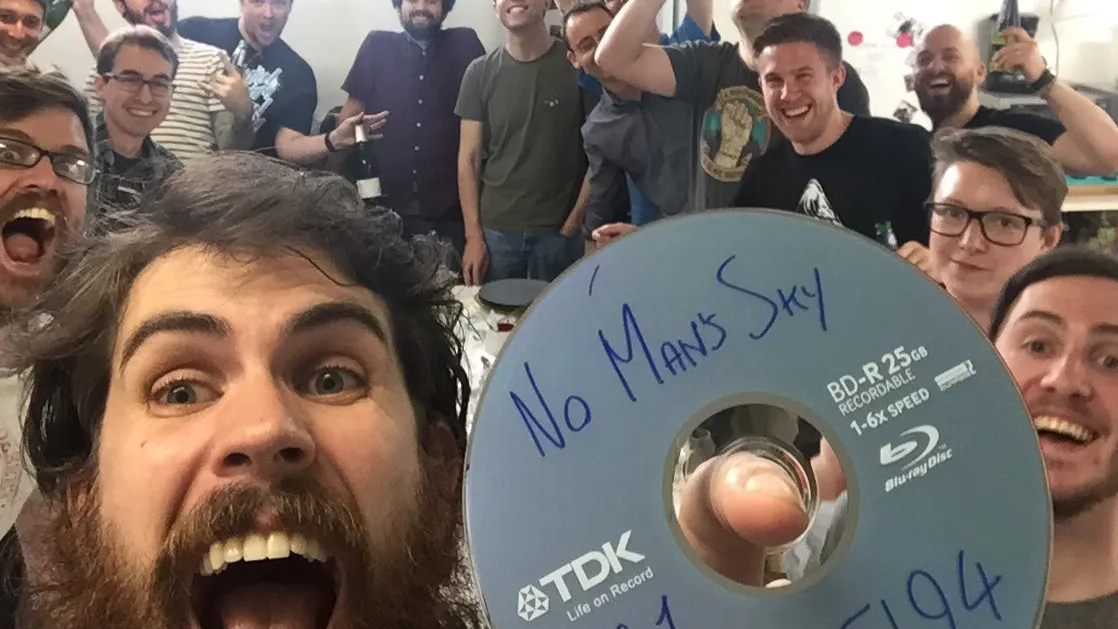
The tension between player experience and developer intention is perhaps best illustrated by the rise and fall of No Man’s Sky. At launch, the expectation for this cosmic exploration game seemed to spiral out of control, fueled by some fuzzy marketing promises. The initial scorn was intense, but the game ultimately evolved into one of gaming’s great redemption stories.
Hello Games navigated that cosmic criticism by focusing on community needs, transforming the experience into something much closer to what many players had hoped for—introducing 32-player multiplayer and base-building features. This shift earned the developers massive respect, leading to a decade of happy spacefaring and even a billboard ad from fans celebrating the journey.
Yet, this journey highlights a fundamental debate in the industry: the term fixed. While making necessary adjustments is crucial, one can’t help but question whether realigning a game’s design is the same as solving a technical bug. It forces us to consider where the line is drawn between refinement and artistic integrity.
Even today, the memory of that original experience persists. The founder of Hello Games, Sean Murray, remains fond of the 2016 version, noting that it possesses a distinct, slightly weirder charm that the updates smoothed over. He insists that playing the original version without updates provides a more esoteric, singular experience.
Ultimately, these stories—from the chaotic expanse of Battlefield to the evolving cosmos of No Man’s Sky—show us that what truly sticks with us isn’t just the final product, but the unique feeling of the journey. It’s in those moments of unexpected solitude, creative freedom, and even glorious imperfection that the most compelling gaming narratives are truly born.
Buy on Amazon
Credit
