Trump seeks to ban Chinese AI models but open weights make it impossible
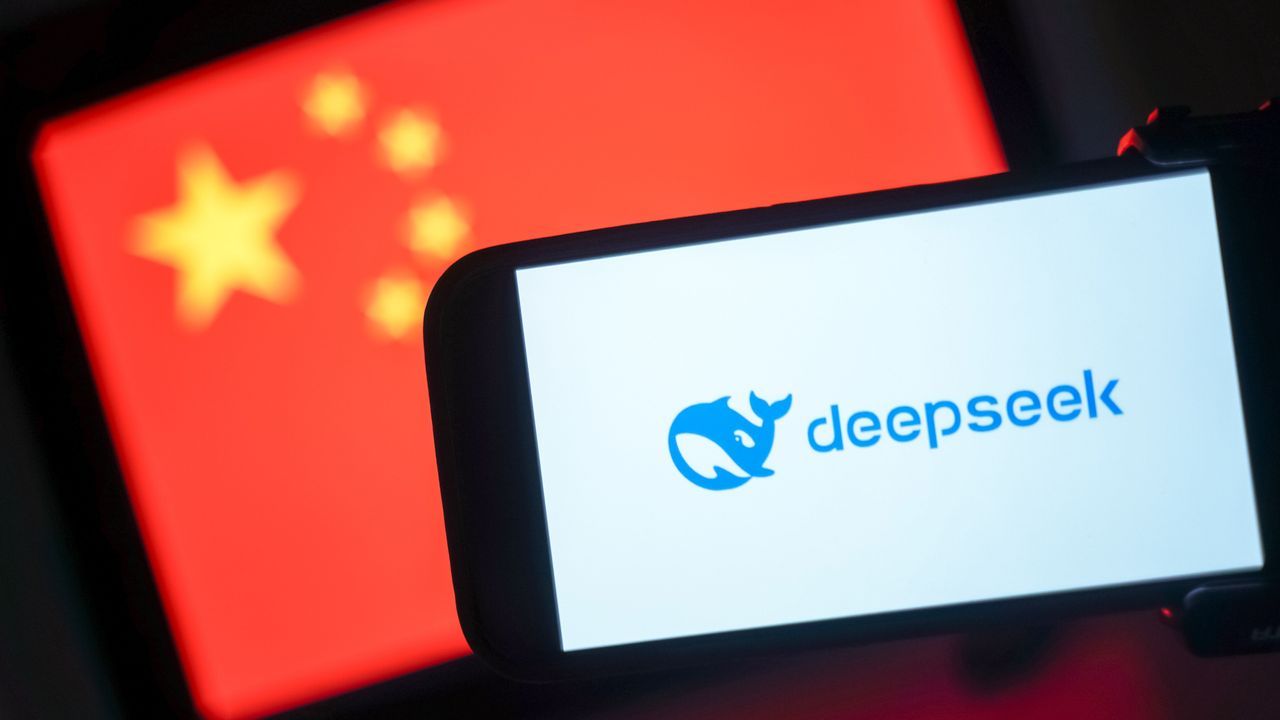
The global race for Artificial Intelligence is not just about processing power; it is increasingly a high-stakes geopolitical contest playing out in the data centers and open-source repositories of the world. As powerful, openly available Chinese AI models emerge, the United States government is once again re-evaluating its strategy, signaling a renewed push to control the flow of cutting-edge technology.
This shift follows the recent release of impressive models like Kimi K3 by Moonshot AI and various open-weight offerings such as DeepSeek. These models have fundamentally changed how businesses interact with AI, offering a powerful alternative to proprietary Western systems.
The key difference lies in the nature of these models: they are open-weight, meaning their model weights are publicly available for download. This characteristic empowers enterprises to take control of their data by self-hosting the models on private infrastructure. For companies with substantial and sustained AI usage, this approach is not just a cost-saving measure; it’s a strategy for enhanced data privacy. By running models locally, organizations can slash inference costs and bypass dependence on expensive API fees compared to closed Western alternatives.
This technological advantage has driven rapid adoption by American companies, which sought solutions that offered both performance and data sovereignty. However, this very trend—the democratization of AI via open-source weights—has triggered significant government concern regarding cybersecurity and national security implications.
In response to these concerns, the administration has previously made attempts to curb the growth and expansion of Chinese models in the U.S., citing cybersecurity risks. This included considering adding several Chinese AI labs, such as DeepSeek, to the “Entity List,” a trade blacklist used to restrict access to sensitive American technology. While these actions were initially paused due to internal market concerns, they have been revived following the release of new open-weight models.
The challenge for policymakers now is enforcing restrictions on this type of technology. Unlike closed-source APIs, which transmit data outside a company’s network to a third party, open-weight models exist as downloadable files mirrored across public repositories like Hugging Face. This creates a significant enforcement hurdle. Once an enterprise downloads the model weights, it can run the entire system offline within an air-gapped data center, making it difficult for regulators to monitor which specific models are operational locally.
Furthermore, companies routinely modify and fine-tune these base models, blending them with domestic corporate data until the provenance of the resulting AI becomes untraceable. This complexity makes it challenging to draw a clear line between foreign technology and domestically developed applications.
Ultimately, experts suggest that an outright ban may be less effective than a multi-pronged strategy. Rather than focusing solely on blocking downloads, the focus may shift toward leveraging existing tools—such as procurement rules, Entity List threats, and public pressure campaigns—to incentivize U.S. firms themselves to reduce their reliance on these models. The core objective appears to be pushing U.S. companies to highlight potential security backdoors and governance issues associated with foreign models.
This dynamic reflects the ongoing broad trade tensions between the U.S. and China, extending into every facet of the AI industry. While some nations seek to dominate the technological landscape, the reality is a complex interplay where innovation, data security, and geopolitical competition are inextricably linked in the rapidly evolving world of artificial intelligence.
Credit
