Wardogs the only FPS where I expect to get revived
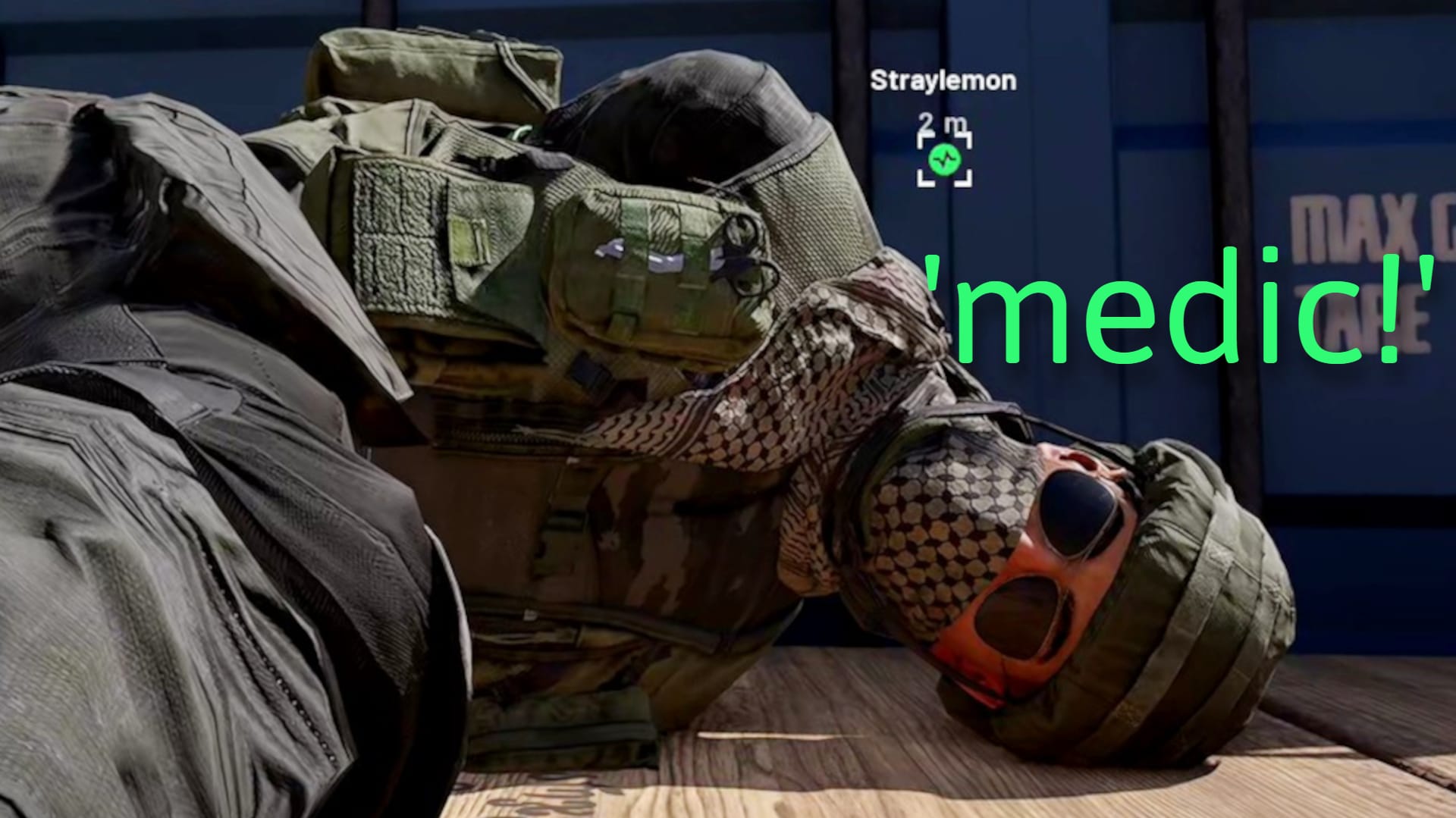
In the world of class-based military shooters, there’s a common, cynical understanding: never count on a random medic to care about you. In games like Battlefield, the reality often paints a grim picture, where trained doctors frequently trample over the dead, more interested in ending a life than saving one. This sets a baseline expectation for support roles—you learn to assume you are on your own.
But then there is Wardogs. This 100-player, three-team milsim flips that script entirely. In Wardogs, help is not just available; it is abundant. When a player falls, the expectation shifts from grim isolation to immediate, collective action. Multiple medics race across the map to provide first-aid, drag bodies to safety, or deploy smoke grenades to cover a revive, turning a potentially fatal moment into a coordinated rescue operation.
Wardogs has successfully crafted a medic role that is both appealing and essential. While other shooters might treat support as a niche, Wardogs integrates it into the core experience, fostering a powerful sense of cooperation. The results speak for themselves: the game’s initial statistics showed players earned 123 million kills and 61 million revives, achieving an overall resurrection rate of nearly 50%. For a lifelong medic main, this level of impact is truly astounding.
How does Wardogs achieve this level of supportive synergy? The secret lies in a unique, cash-infused incentive structure. Unlike extraction shooters where wealth is earned primarily through kills and loot, Wardogs makes players rich for performing useful, nonviolent actions: killing, capturing, transporting, spotting, building, and, critically, healing.
The economics of being a medic are highly profitable. A single revive pays almost as much as a kill, and that is before factoring in tips from grateful patients and automatic assist payouts. Going the extra mile—buying spare bandages to heal a teammate back to full health—only increases the cash reward. This system fundamentally rewards helpful behavior, fueling positive team dynamics.
Furthermore, the design ensures that everyone can contribute. While specialized medics exist, anyone can perform a manual revive. The system is carefully balanced: basic assistance is accessible, but true, high-level medical capability requires investment. Upgrading to full defibrillators is a major step, reserving the most specialized roles for those who invest in mastering them, ensuring that the role remains cooperative rather than solely dependent on a single expert.
This design choice also dictates the pacing of the action. Wardogs avoids the highly congested, rapid-fire environments common in other shooters. The three-team structure naturally disperses the action, meaning skirmishes are often smaller-scale confrontations, rather than massive, claustrophobic death traps. This slower pace allows support players the time and space needed to act, eliminating the pressure of having to react instantly to overwhelming chaos.
Ultimately, Wardogs proves that successful class-based gameplay is built on synergy. The medic role stands out as the perfect example of how mechanics, incentives, and player interaction can coalesce around cooperation, turning a simple act of healing into one of the most impactful experiences in the game.
Buy on Amazon
Credit
