Warhorse Founder on RPGs AI and the Collapse of Communism
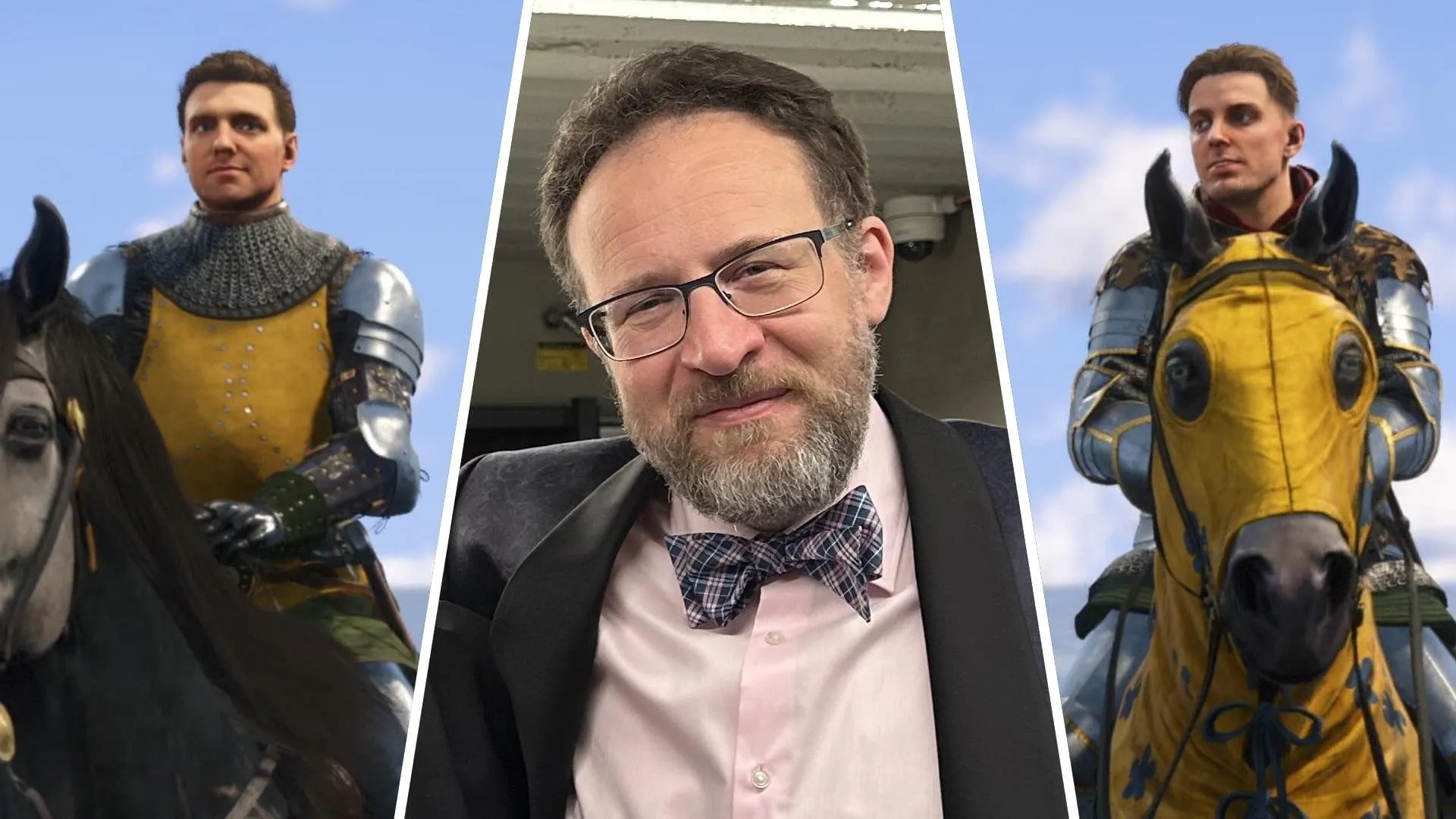
Some journeys begin not with a grand plan, but with a deep-seated dissatisfaction. For Martin Klíma, the path that led him to co-found Warhorse Studios is a unique blend of revolutionary history, a lifelong obsession with fantasy, and a stubborn refusal to accept the status quo. He is an iconoclast whose career trajectory feels less like a straight line and more like a winding road through the complex terrain of Eastern European history and the wild world of role-playing games.
Before he was a celebrated developer, Klíma was immersed in a different kind of history. Growing up in the actually existing socialism of Czechoslovakia in the 1980s, his early interests were shaped by a desire to understand the world, even if it meant looking outside the accepted curriculum. While learning English, he found the academic focus on combine harvesters and blast furnaces far less engaging than the tales of swords and dwarves. This curiosity led him to seek out the escapism found in literature, particularly The Lord of the Rings, a pursuit that sparked a lifelong passion for worlds built on magic and adventure.
This love for immersive worlds quickly translated into a desire to share them. Klíma sought out the magic of role-playing games, finding in them an incredible freedom to assume another identity and live extraordinary adventures. He dreamt of publishing translations of classic works, navigating the shadowy world of underground presses to bring fantasy to light. This desire for clandestine distribution was mirrored by his political activism; he was an organizer among student groups, petitioning against campus demolitions and engaging in ‘borderline rebellion’ against the regime. He stood publicly for change, culminating in a pivotal demonstration in 1989, channeling the spirit of historical resistance into a modern demand for liberty.
When the political landscape shifted with the Velvet Revolution, Klíma’s focus turned to creating his own worlds. Disrupted by the change, he sought a new vehicle for his storytelling. Inspired by German TTRPGs, he decided to create his own fantasy, adapting existing concepts and forging new classes and combat systems. This effort resulted in the successful creation of Dračí doupě, the first fantasy RPG in Czechoslovakia. This experience cemented Klíma’s position within the games industry, laying the groundwork for a career dedicated to building intricate, demanding worlds.
The transition from visionary creator to studio founder brought new challenges. Klíma navigated the often frustrating world of publishing, facing skepticism from major companies and the immense difficulty of selling ambitious RPGs. He learned that the market often favored safer, mainstream paths, leading to a deep realization about the business of games: success is not just about creating a brilliant world, but about finding a way to make that world financially viable.
This journey culminated in the formation of Warhorse Studios. Fueled by a vision for a historical RPG set in 15th-century Bohemia, the studio, alongside co-founder Daniel Vávra, set out to bring that ambition to life. The critical success of Kingdom Come: Deliverance provided the necessary momentum, proving that players were hungry for deeply realistic and challenging experiences. This success allowed Warhorse to pursue even grander ambitions, licensing the Middle-earth universe and developing further adventures.
Today, Warhorse Studios continues to explore the boundaries of what video games can be. As the industry grapples with economic pressures and the rise of technologies like AI, Klíma and his team continue to ask profound questions about the future of interactive entertainment. They are navigating the paradox of growth, realizing that while technology demands bigger, splashier games, the real solution might lie in redefining how we value and distribute the experiences we create.
Credit
