What game is inside the game
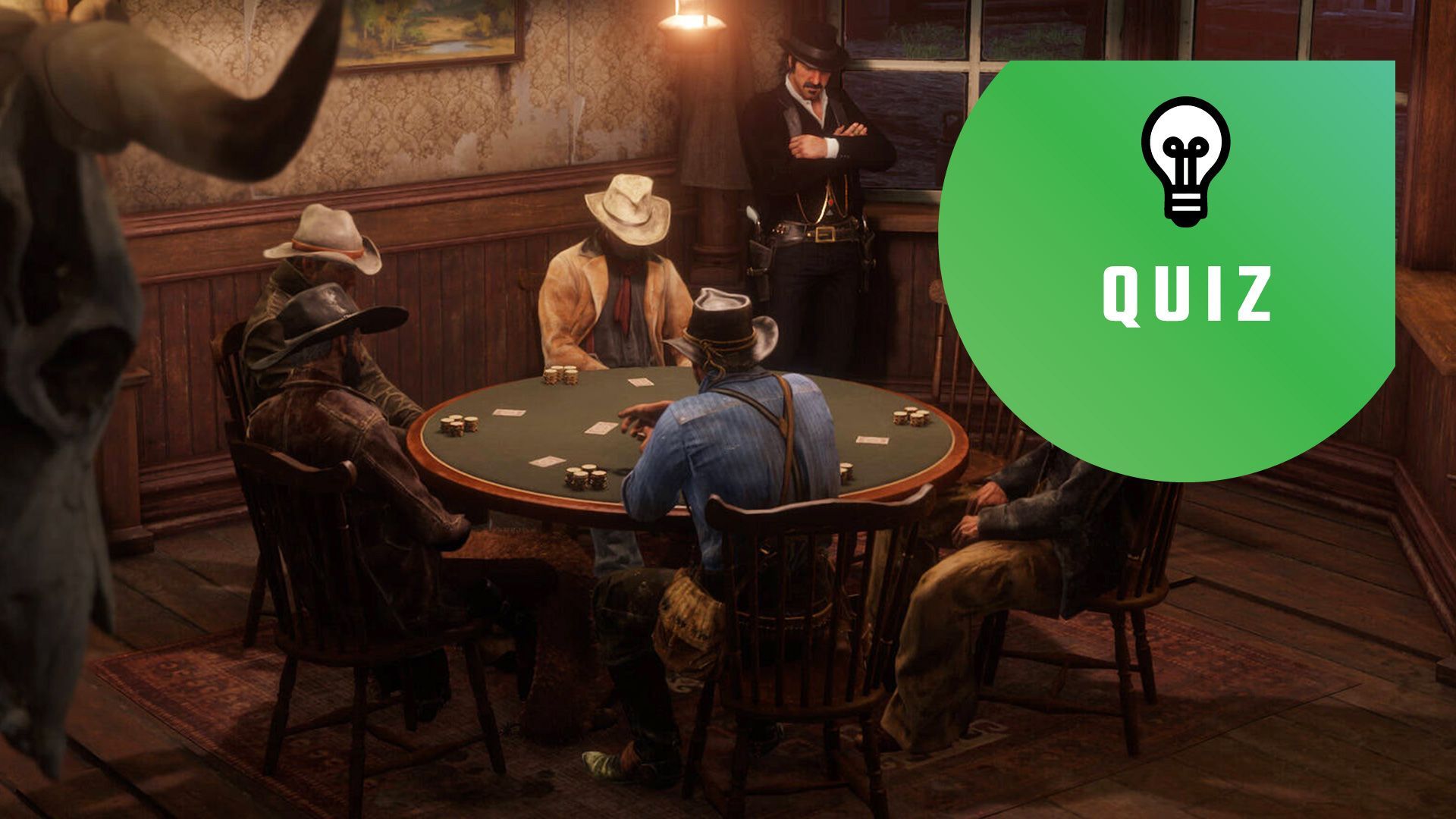
In the sprawling, often epic world of video games, sometimes the greatest adventures are found not in the main quest, but in the delightful, distracting detours. We often talk about main storylines and grand achievements, but there is a fascinating realm lurking just off the beaten path: the game-within-a-game. These are the little side quests and minigames that don’t just add flavor; they fundamentally change the way we experience a world.
These embedded experiences offer a unique blend of engagement, often serving as perfect time sinks that pull players into new, unexpected fun. Whether they are deceptively simple card games or deep, immersive mini-RPGs, they prove that the best game design isn’t always about linear progression, but about offering tantalizing diversions.
Consider the history of these delightful derailments. We can look back at classics like Triple Triad, a card game that managed to seamlessly integrate itself into larger frameworks, including the popular MMO scene. This type of mechanic shows a mastery of integration, where a secondary activity becomes an organic extension of the main narrative.
The principle extends far beyond simple integration. Games like Gwent, found within massive RPG titles such as The Witcher 3, serve as powerful examples of this phenomenon. They are not mere tacked-on features; they become compelling, standalone experiences that demand attention. Players often find themselves happily lost in the world of Gwent, occasionally forgetting the main campaign entirely as they chase those card-based objectives.
These kinds of side features are more than just filler; they are ingenious creative choices. They allow developers to introduce new mechanics, refresh the player’s engagement, and inject moments of pure, spontaneous fun into an otherwise grand narrative. They remind us that the joy of gaming often lies in the unexpected moment, the delightful little detour that makes the entire journey more memorable.
Buy on Amazon
Credit