Wild Arms successor cancelled after $3M Kickstarter
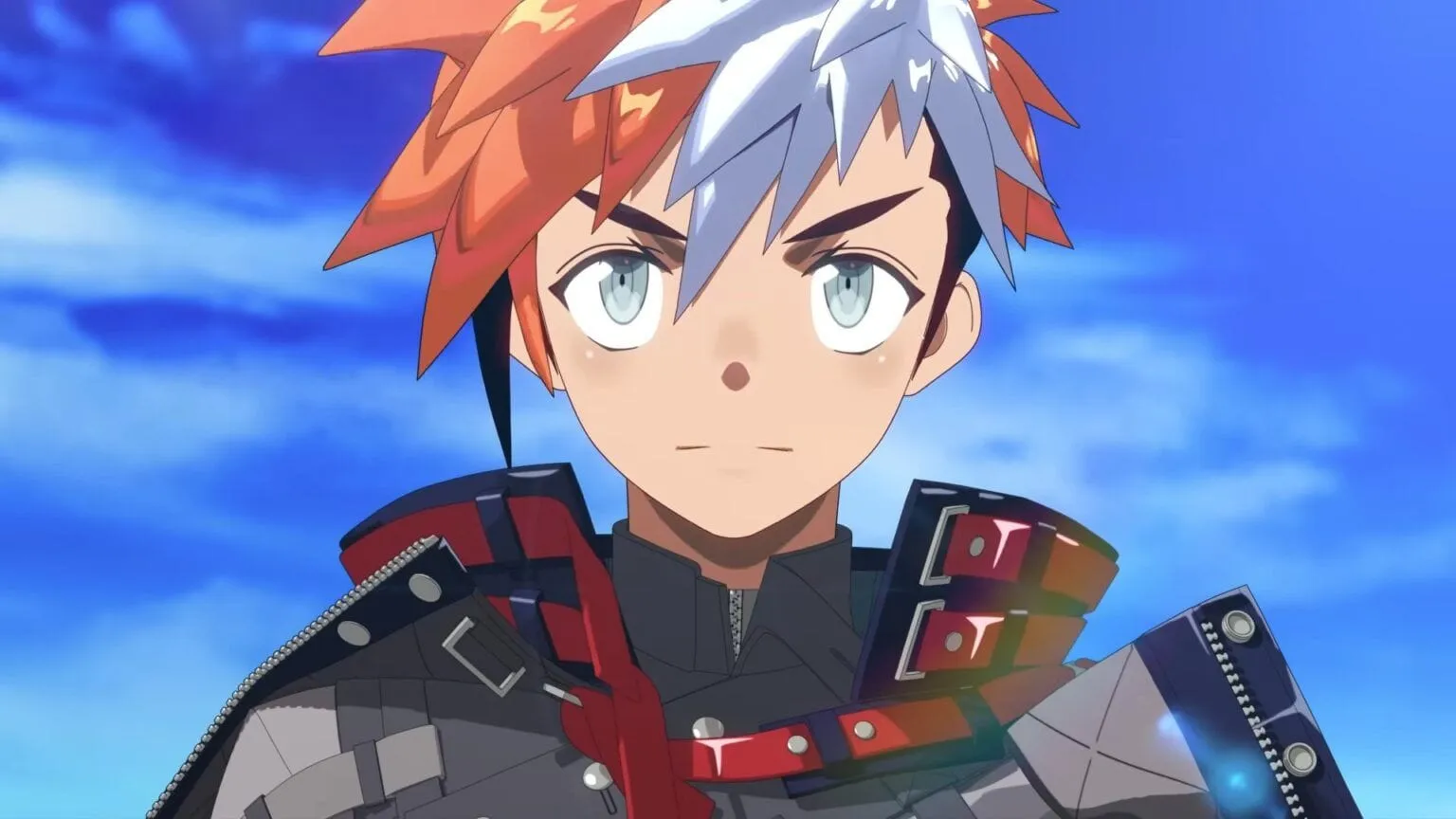
The Cost of Fantasies: The Saga of Armed Fantasia and Penny Blood
Four years after raising nearly $3 million on Kickstarter, the ambitious project Armed Fantasia—a spiritual successor to the celebrated JRPG series Wild Arms and a first-person shooter starring Mickey Mouse—has quietly been cancelled. The tale of this high-stakes development effort is a classic example of how the dream of a game often clashes with the realities of publishing, funding, and development schedules.
The journey began with a double Kickstarter campaign in 2022, designed to fund two distinct JRPG prototypes: Armed Fantasia and a proof-of-concept for Penny Blood. The goal was clear: to secure the necessary funds to sign publishing deals that would provide full backing for each title, promising a vibrant new chapter in the gaming world.
The funds raised, totaling just shy of $3 million, were distributed to publishers. Armed Fantasia was signed by 505 Games, while Penny Blood was picked up by the Japanese publisher Dangen Entertainment. Though the initial allocation seemed successful, the subsequent development paths diverged dramatically.
While Armed Fantasia faced delays, the focus quickly shifted to the troubled development of Penny Blood. This project became entangled in legal disputes, with the developer Studio Wildrose suing Dangen Entertainment in 2024 over the withholding of Kickstarter funds. The future of this JRPG remains uncertain, though project lead Matzuo Machida has recently announced that the team is holding discussions to begin producing new content.
Armed Fantasia, meanwhile, followed a different trajectory. Although the team missed its planned March 2025 launch, they did manage to complete a Vertical Slice build, including the main scenario and core gameplay systems. This completed build was submitted to the publisher, though the process was fraught with tension.
Lead designer Akifumi Kaneko, who had previously defined the direction of the Wild Arms franchise, expressed frustration over the lack of transparency and missed deadlines. He admitted that his ability to share updates was heavily influenced by the publisher’s strategy, though he reassured backers that the development team was not facing these challenges in isolation. This tension suggests that the relationship between the developers and the publisher, Digital Bros, underwent significant changes during the project’s lifecycle.
Ultimately, the story of Armed Fantasia and Penny Blood serves as a reminder that even with massive fan support and substantial funding, the path from concept to launch is rarely smooth. It highlights the complex, often frustrating, journey that defines the indie game development landscape.
Buy on Amazon
Credit
