Will you stop buying LG monitors after the adware scandal
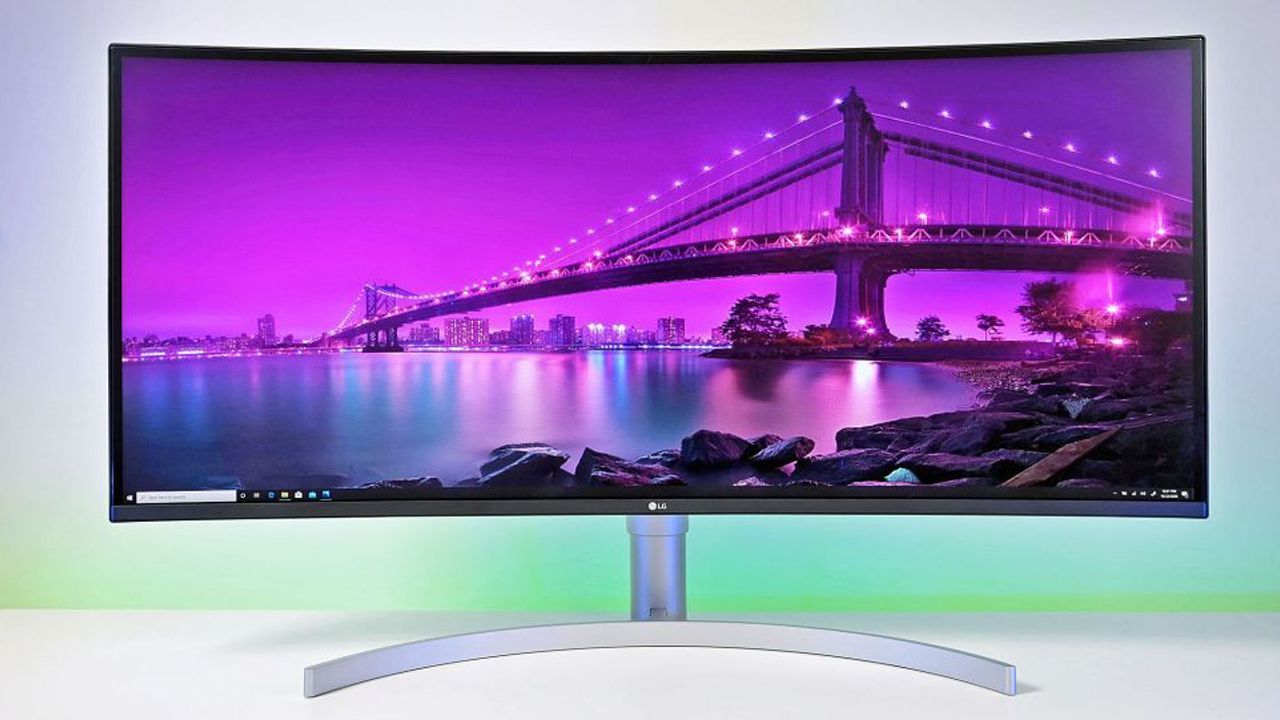
In a move that sent ripples of outrage through the tech community, LG found itself in hot water after it was discovered using certain monitors to silently install adware onto connected PCs. The setup allowed a monitor application to sneak onto a computer and then display unwanted pop-up advertisements, specifically for McAfee.
The incident quickly escalated beyond a simple bug, transforming into a public spectacle that forced major players in the industry to weigh in. The action drew intense scrutiny, sparking serious questions about privacy and software bundling within consumer electronics.
The backlash against LG was immediate and substantial. While preinstalling security software or bundling companion apps is common practice across the tech landscape, this specific situation felt like crossing a line for many consumers. This public outcry prompted intervention from Microsoft, which stepped in to address the situation and ensure a better experience for its customers.
The situation was placed firmly in the spotlight by investigative outlets, including Gamers Nexus, which thoroughly broke down the technical details of what was happening behind the scenes. The resulting coverage fueled widespread curiosity: would consumer outrage translate into real buying decisions?
While many expressed frustration over the forced McAfee ads, the ensuing debate quickly shifted toward a broader issue: market competition and product integrity. The core question became whether this incident reflected a systemic problem or simply an unfortunate case of aggressive marketing tactics.
The focus inevitably turned to the fierce competition among monitor manufacturers. LG has long been known for pushing the boundaries of display technology, often leading with specifications like refresh rates and resolutions. Yet, the reality is that many monitor companies source components from similar suppliers, meaning innovation often spreads across the industry.
This dynamic means that as one brand pushes a unique combination of features—be it size, curvature, or specification—competitors quickly catch up. In the fast-moving segment of computer monitors, staying ahead requires not just superior hardware but also maintaining consumer trust.
Ultimately, while some consumers may be demanding changes, others have found acceptance in practical solutions. Those who continue to enjoy LG monitors are reportedly willing to adapt, opting to manage the advertisements themselves rather than abandoning a product they already trust.
The story serves as a reminder that even cutting-edge technology operates within complex regulatory and ethical boundaries. As the monitor market continues to evolve, the emphasis must remain on transparency and ensuring that innovation benefits the end user, not just the vendor.
Credit