WoW: Forever trades convenience for casual fun
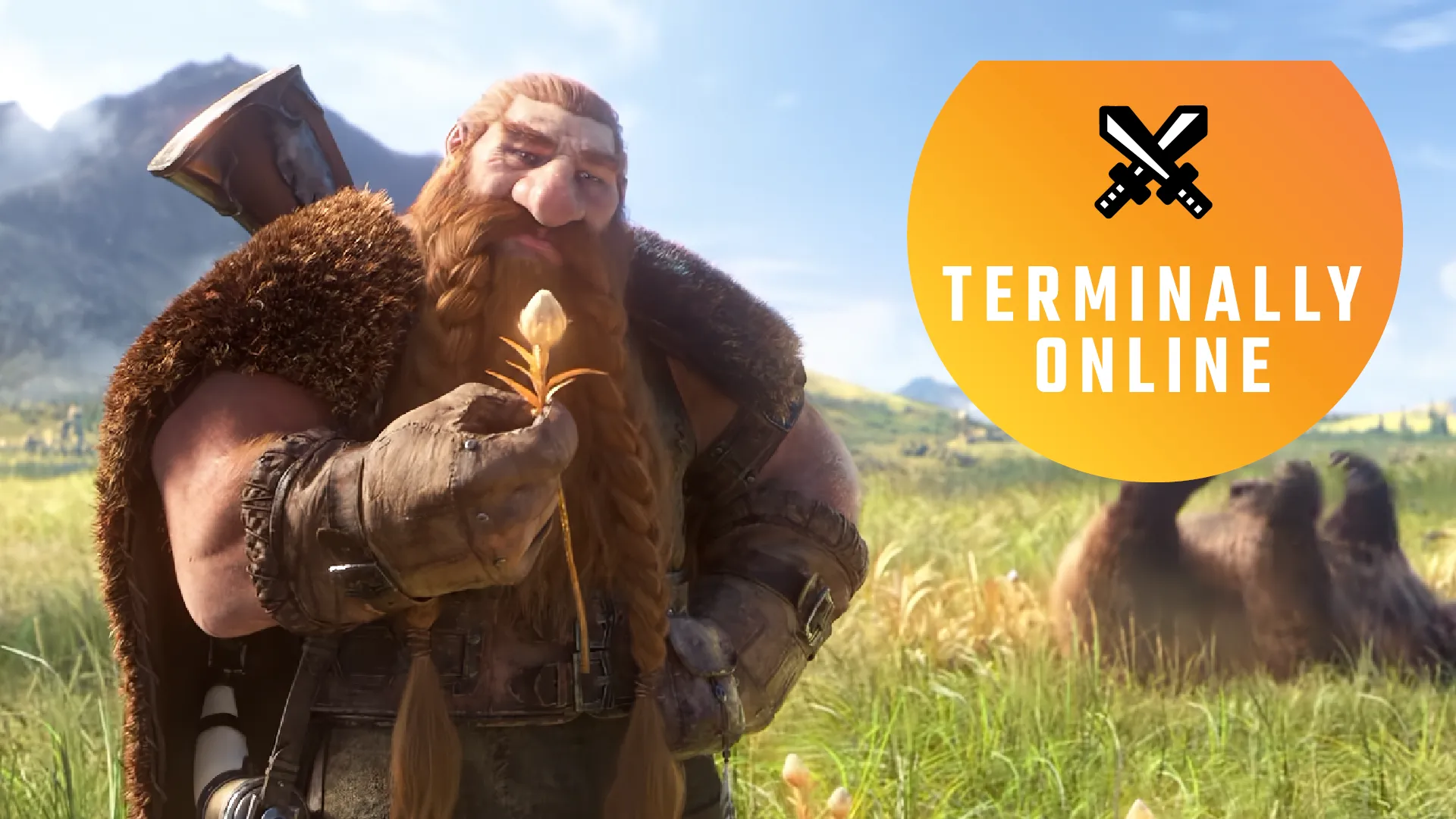
In the world of massive multiplayer online games, there’s a recurring tension between the relentless demands of modern play and the slower, more deliberate pace of classic design. Games like World of Warcraft: Forever don’t just offer a nostalgic trip; they present a compelling argument for a return to a more relaxed, casual experience.
For many, the current MMO landscape feels engineered for constant motion. Whether it’s the pressure to complete a dozen world quests every evening or the constant need to chase the newest gear, the modern experience often feels like a treadmill designed to exhaust the player. This feeling is often exacerbated by systems that introduce “borrowed power”—mechanics designed to keep players logging in, sometimes resulting in tedious, meaningless tasks.
The evolution of the MMO experience can be viewed as a cycle of difficulty. The original design of the game was built around an “oldschool” mindset, demanding patience and cooperation to explore an open world. This foundation is markedly different from the current structure, which often piles on layers of demands. When these systems—like seasonal structures or complex reward systems—are layered onto the original framework, the experience can quickly become overwhelming and create resentment.
The shift to seasonal cycles, while intended to provide structure, often introduces an awkward gap. Players are asked to balance the demands of intense, short-lived seasonal content against the expectation of a continuous progression. This constant push-and-pull can lead to demotivation, especially when the effort invested feels disproportionate to the reward.
This is where the appeal of a game like Forever shines. By contrasting the expectations of a noisy, modern seasonal structure with the fundamentally casual design of the classic framework, the game offers something truly refreshing. Instead of bombarding players with dozens of objectives, the experience remains focused on simple, enjoyable adventures. It’s a space where the primary goal is exploration, not relentless grinding.
The true difficulty in older, well-designed games often lies not in mechanical skill, but in patience and knowledge. Navigating an oldschool world requires a different kind of engagement—one that rewards deliberation rather than speed. This perspective shifts the focus from the mechanical battle to the journey itself.
For players who prioritize a relaxed experience—those who want to decompress and simply enjoy running around a fantasy world—the slower pace is a welcome antidote to the high-octane, notification-heavy reality of modern gaming. It is a reminder that sometimes, the most satisfying gameplay is found when you let the game unfold at a more deliberate, comfortable rhythm.
Buy on Amazon
Credit
