WoW won’t get SoD zany class design yet
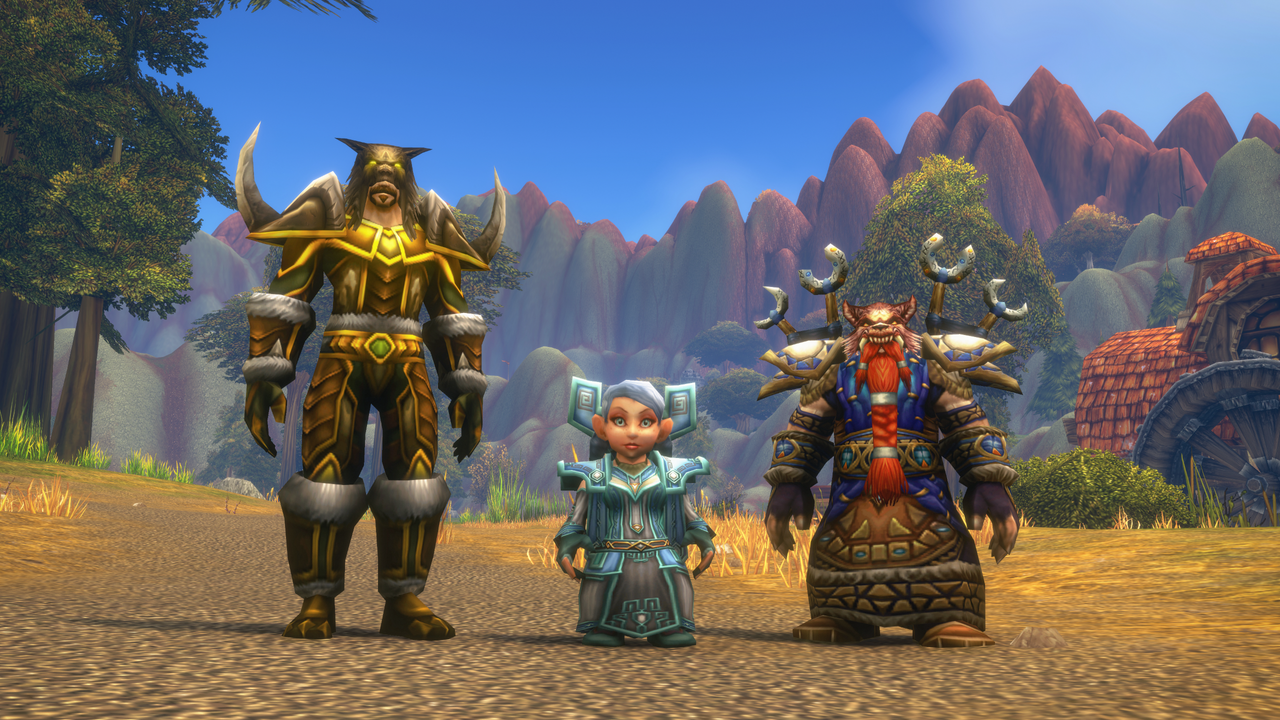
World of Warcraft: Forever Takes a Measured Approach to a Timeless Evolution
When Blizzard unveiled World of Warcraft: Forever, the conversation immediately shifted from simple updates to a profound design philosophy. Instead of merely adding content, the expansion aimed to be an all-changes version of vanilla WoW, rethinking the experience from the ground up. The vision was to envision the original game, adjusting the talent trees and introducing new quests and systems while keeping the core structure firmly rooted in the classic Azeroth setting.
This approach meant packaging fresh additions—including new dungeons and raids—within the original level 60 framework. It was a decision that prioritized familiarity and a cohesive experience over radical reinvention, allowing the world to feel both familiar and freshly updated.
But in the complex world of game development, even cautious design paths invite speculation. Some wondered if the team would push the boundaries further, perhaps incorporating the wilder class designs seen in recent expansions, like healing mages or shaman tanks, into the core structure. The answer, however, was a carefully considered one.
Senior game designer Josh Greenfield explained the development rationale. He noted that previous experiments, such as Season of Discovery, allowed the team to take risks that might not be taken in a long-term endeavor like Forever. The lessons learned from those explorations were incorporated, but the focus remained on establishing a foundation where the soul of the class is very coded and original WoW-centric.
This measured tone defined the scope of the initial changes. Instead of introducing radically experimental mechanics, the focus was on bringing modern class design elements back into the vanilla era. For example, combat rogues received a tweak, enjoying an equivalent of the outlaw rogue’s central trick, offering a small but meaningful tactical advantage in combat.
Despite this measured start, the door to future experimentation remains wide open. Greenfield acknowledged that while the initial rollout was safe, the concept of a ‘forever’ game allows for continuous evolution. There is still room for exciting gameplay shifts over the years, even if the initial blueprint prioritized stability.
The lingering questions focus on the possibility of pushing these boundaries further. Although the initial design leaned toward established class archetypes, the potential for evolution remains. For instance, while certain unconventional class combinations haven’t materialized yet, the possibility of evolving the class system over time is certainly on the table.
Ultimately, World of Warcraft: Forever stands as an interesting case study: a project that successfully balances honoring classic design integrity with the potential for future innovation, proving that sometimes, the most engaging evolution is found in thoughtful, measured steps.
Buy on Amazon
Credit