Xbox CTO apologizes for biggest outage in memory
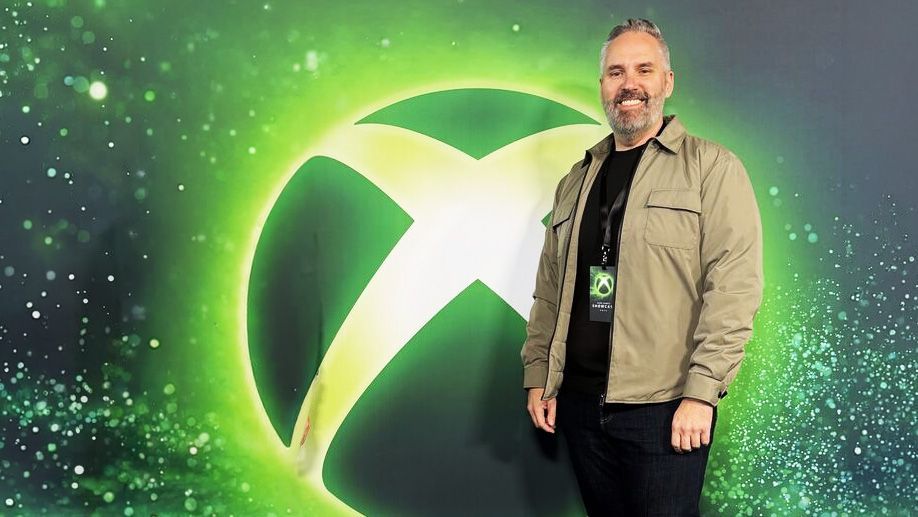
When gamers log in hoping for a relaxing evening of digital escapism, they often face an unwelcome reality: frustrating errors. Recently, many users were greeted by a lengthy interruption to their gaming sessions as the Xbox network experienced a major service disruption that lasted for nearly 15 hours.
While most services eventually recovered, the experience remains a stark reminder of how quickly digital entitlements can turn into genuine headaches. This temporary outage coincided with broader industry conversations sparked by Sony’s recent decision to sunset physical game discs, fueling heated debates over who truly owns digital content and what rights gamers retain.
The disruption was more than just an inconvenience; it underscored the vulnerability of a centralized system. Players were unable to sign in, enumerate their game libraries, or access games while the service was down. This situation immediately brought into sharp focus how much reliance we place on seamless digital infrastructure, especially when paying for a service that suddenly becomes inaccessible.
Microsoft acknowledged the severity of the incident and took responsibility. Their Chief Technology Officer, Scott Van Vilet, addressed the situation by explaining that the failure stemmed from issues within Microsoft’s licensing library system, which created a cascading effect across dependencies. Engineers prioritized Xbox traffic to other parts of the cloud array while they worked to repair the faulty license entitlement systems.
Van Vilet emphasized that fixing the issue was only the first step. He announced plans for a full post-incident review, focusing not just on the technical root cause but on the systemic failures: why a single point of failure could cause such widespread downtime, and how to prevent it from happening again.
The technical hiccup served as a powerful spotlight on the lingering questions surrounding digital ownership. As physical media fades into memory, the legal and practical implications of purely digital goods are becoming increasingly scrutinized. For instance, there remains no simple mechanism in most markets for inheriting digital game licenses or reselling them on a second-hand market.
This tension is set to escalate as Microsoft prepares to unveil its response to the industry shift. Rumors point toward a program codenamed Positron, which aims to convert disc-based games into permanent digital licenses on Xbox accounts. If this initiative succeeds, it could offer physical gamers access to the benefits of digital ownership, like cloud gaming and broader platform integration.
However, these new digital rights introduce complex questions about content permanence and user control. When physical media is removed from the equation, where do we draw the line on game ownership? The recent outage, coupled with the evolving landscape of digital entitlements, suggests that while technology strives for seamless experiences, the fundamental value and security of gaming rights remain a complicated frontier.
Credit
