Z80 gets open source drop-in silicon replacement
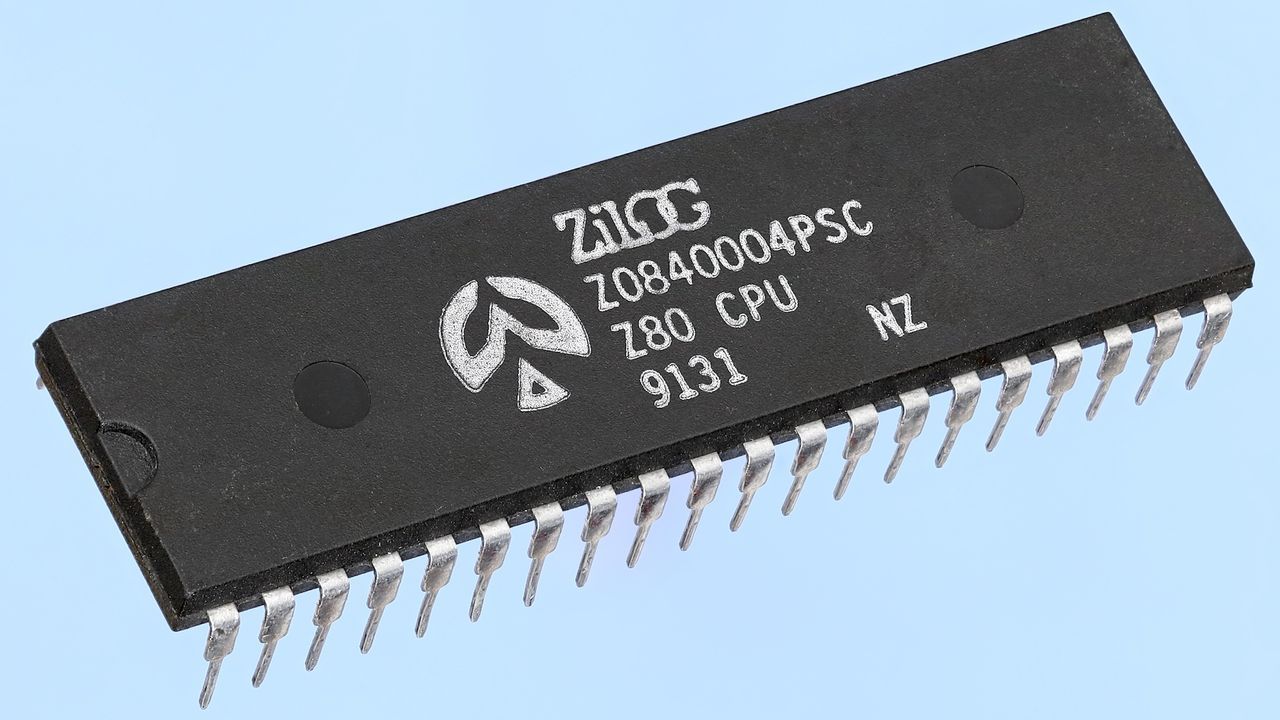
Fifty years ago, the world of computing was defined by a single, mighty processor: the Zilog Z80. This iconic 8-bit chip, first hitting the market in July 1976, wasn’t just hardware; it was the engine behind a generation of revolutionary home computers and arcade classics.
With its initial design featuring 8,500 transistors, the Z80 defined the limits of early computing. It served as the backbone for systems that shaped pop culture, powering machines like the ZX Spectrum, TRS-80, MSX computers, the Game Boy, and the Master System. Whether it was controlling a Pac-Man cabinet or running complex graphing calculators, the Z80’s binary compatibility with the Intel 8080 allowed it to absorb the early software base, setting the stage for countless digital adventures.
For decades, this little chip reigned supreme, powering everything from industrial controllers to beloved home gaming setups. It was a foundational piece of technology whose influence is woven into the very fabric of retro-gaming history and personal computing.
But even legends have an expiration date. As technological landscapes shifted toward more powerful successors, Zilog eventually marked the end of its support. In June 2024, the company ceased accepting orders for the Z80 family, signaling a quiet retirement for one of the most beloved microprocessors in history.
Yet, the story of the Z80 is far from over. Following this end-of-life notice, the community stepped in with remarkable ingenuity. Renaldas Zioma launched the FOSS Z80 project, determined to resurrect the classic chip through open-source fabrication and development.
The goal wasn’t just a historical curiosity; it was creating working silicon. The team has successfully moved from concept to reality, fabricating prototypes using advanced nodes like SkyWater’s 130nm process. The current efforts focus on achieving a drop-in replacement for classic kits and systems, aiming to deliver a functional chip in the original 40-pin DIP package.
Built around Guy Hutchison’s TV80 Verilog core, this effort is a testament to the power of community-funded innovation. The current goal is to produce a replacement that can operate at speeds up to 50 MHz, ensuring that the legacy of the Z80 lives on not just in history books, but in functional, modern hardware.
The enduring appeal of the Z80 lies in its foundational architecture and the collaborative spirit it inspires. It proves that even when a commercial product retires, true technological innovation can be reborn through shared knowledge and determination.
Buy on Amazon
Credit